
Diastolic blood pressure often begins changing within minutes after exercise. For many people, it may fall below the pre-exercise level during recovery.
The exact timing varies by exercise intensity, fitness, hydration, medications, and baseline blood pressure.
At a Glance
| Question | Quick Answer |
|---|---|
| What is diastolic pressure? | The lower number in a blood pressure reading |
| When can it start dropping? | Within minutes during post-exercise recovery |
| Common short-term pattern | Often lower within about 5–45 minutes |
| Can the effect last longer? | Yes, post-exercise blood pressure changes may last hours |
| Does everyone respond equally? | No, individual responses vary |
| Who may see larger reductions? | People with higher resting blood pressure |
| Important safety factor | Dizziness or fainting requires attention |
Key takeaway: There is no single recovery time for everyone. Research shows diastolic pressure can be lower within minutes and may remain reduced for part of the recovery period.
What Happens to Diastolic Blood Pressure During Exercise?
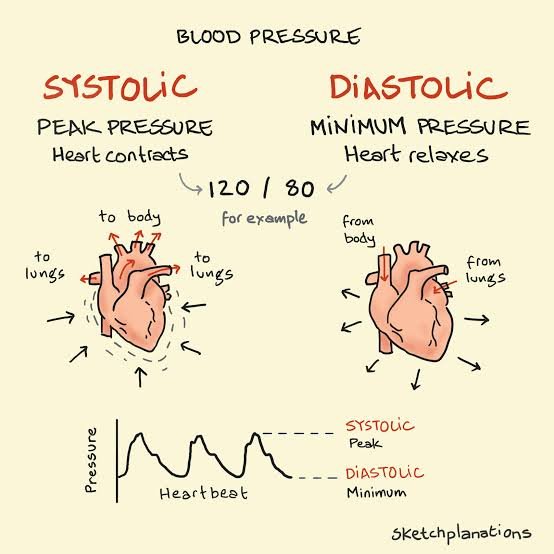
Diastolic blood pressure is the second number in a reading.
For example, in 120/80 mmHg, 80 is diastolic pressure.
Exercise changes how the heart and blood vessels work. Muscles need more oxygen during physical activity. The cardiovascular system responds quickly to meet that demand.
According to the American Heart Association, blood pressure responses during exercise can change as the heart pumps more blood to working muscles. However, the recovery period after exercise can produce a different effect.
Blood vessels may remain relatively relaxed after activity. As a result, blood pressure can fall below pre-exercise levels. This response is known as post-exercise hypotension.
How Long Does It Take for Diastolic Blood Pressure to Drop After Exercise?
The Short Answer
Diastolic blood pressure may begin falling during the first few minutes of recovery.
Research does not support one universal timeline. However, measurable reductions have appeared within 5 to 45 minutes after moderate exercise in some studies.
One study involving people with normal and borderline high blood pressure found lower diastolic readings at several points during the first hour after cycling.
Another study found lower post-exercise diastolic pressure for much longer in participants with mild hypertension.
Therefore, a practical answer is:
Diastolic blood pressure can start dropping within minutes, but the amount and duration vary considerably.
Typical Recovery Timeline After Exercise
| Time After Exercise | What May Happen |
|---|---|
| Immediately after stopping | Blood pressure may still reflect exercise intensity |
| 5–15 minutes | Recovery begins and pressure may start falling |
| 15–45 minutes | Some people experience measurable reductions |
| 1–3 hours | Lower blood pressure may continue in some individuals |
| Several hours | Post-exercise effects may persist, especially with hypertension |
Post-exercise hypotension is generally described as a temporary reduction in blood pressure after activity. The National Center for Biotechnology Information’s MeSH resource describes this effect as potentially lasting roughly 2 to 12 hours, although individual studies show substantial variation.
Some research has reported longer effects under specific conditions. However, this should not be interpreted as meaning every person’s diastolic pressure remains lower for an entire day.
Why Does Diastolic Blood Pressure Drop After Exercise?
The main reason involves blood vessels.
During exercise, working muscles require increased blood flow. Blood vessels supplying those muscles widen.
After exercise ends, those vessels may remain relatively dilated. The nervous system also gradually shifts from an active state toward recovery.
This can reduce resistance within the circulation.
As vascular resistance falls, blood pressure may also decrease. Researchers describe several possible mechanisms, including reduced peripheral resistance and changes in nervous-system control of blood vessels.
An Important Difference Between Systolic and Diastolic Pressure
The two blood pressure numbers do not always recover identically.
Research suggests systolic pressure often shows a larger post-exercise reduction. Diastolic reductions may be smaller or less consistent.
That is why someone may notice a lower overall reading without seeing a dramatic change in the diastolic number.
What Affects How Quickly Diastolic Blood Pressure Falls?
Several factors can change your response.
Exercise Type and Intensity
Aerobic exercise can produce noticeable post-exercise blood pressure changes. Walking, cycling, running, and swimming may all influence recovery blood pressure.
A longer or harder session does not guarantee the same response for everyone.
Your Resting Blood Pressure
People with hypertension may experience larger post-exercise reductions.
This has been observed repeatedly in exercise research. People with higher resting pressure can show a stronger post-exercise hypotensive response.
Recovery Position
Standing, sitting, and lying down can affect recovery measurements.
Blood pressure may respond differently depending on posture. Recent research also suggests recovery conditions can influence the size of post-exercise hypotension.
Hydration and Temperature
Dehydration can complicate blood pressure recovery.
Heat can also increase cardiovascular strain. These factors may contribute to light-headedness after exercise.
Medications
Blood pressure medicines can influence exercise recovery.
If you take antihypertensive medication, do not change the dose based solely on one exercise-related reading. Discuss unusual patterns with your healthcare professional.
How Should You Measure Blood Pressure After Exercise?
Measuring immediately after intense activity may not reflect your usual resting blood pressure.
For a more useful comparison:
- Finish your exercise gradually.
- Complete a proper cooldown.
- Sit quietly before measuring.
- Keep your arm supported correctly.
- Use a validated blood pressure monitor.
- Compare readings under similar conditions.
The American Heart Association’s exercise guidance emphasizes the importance of cooling down. Stopping suddenly can cause blood pressure to fall sharply and may cause dizziness.
For long-term blood pressure tracking, consistent measurement conditions matter more than a single post-workout number.
When Is a Drop in Blood Pressure a Concern?
A modest post-exercise drop can be a normal physiological response.
However, symptoms matter.
Seek medical advice if exercise-related blood pressure changes repeatedly cause:
- Fainting
- Severe dizziness
- Chest pain
- Unusual shortness of breath
- Confusion
- Persistent weakness
- Palpitations with concerning symptoms
A significant blood pressure drop after standing can also require medical assessment. The American Heart Association’s information on orthostatic hypotension defines one clinical threshold as a sustained diastolic decrease of at least 10 mmHg within three minutes of standing.
Do not diagnose yourself using this definition alone. The context and symptoms are important.
Can Regular Exercise Improve Diastolic Blood Pressure Long-Term?
Yes, regular physical activity can support healthier blood pressure.
The immediate post-exercise drop is temporary. However, repeated exercise can contribute to longer-term improvements in blood pressure.
The 2025 joint clinical guideline from the American College of Cardiology and American Heart Association reports that aerobic exercise can reduce both systolic and diastolic blood pressure, with larger benefits often seen in people with hypertension.
The important point is consistency.
One workout may temporarily lower blood pressure. Regular activity can support broader cardiovascular benefits over time.
The Bottom Line
How long does it take for diastolic blood pressure to drop after exercise?
For many people, the change can begin within the first few minutes of recovery. Research has observed lower diastolic readings between approximately 5 and 45 minutes after exercise in some groups. The overall blood-pressure-lowering effect may continue for several hours.
However, there is no universal timeline.
Your response depends on your fitness, exercise session, resting blood pressure, medications, hydration, and recovery conditions.
A single reading is less useful than a consistent pattern. If post-exercise blood pressure changes cause worrying symptoms, seek medical advice rather than relying on general timelines.
Frequently Asked Questions
Does diastolic blood pressure drop immediately after exercise?
Not always. Immediately after exercise, blood pressure may still reflect the intensity of the activity. During the following recovery period, blood vessels can remain relaxed and blood pressure may fall. Some research has found lower diastolic readings within the first 5 to 15 minutes, although individual responses differ.
How long should I wait to check my blood pressure after exercise?
If you want to understand your resting blood pressure, avoid treating an immediate post-workout reading as your baseline. Complete a gradual cooldown and allow your body to settle. For consistent monitoring, follow the instructions provided by your healthcare professional and use similar conditions each time.
Is low diastolic pressure after exercise dangerous?
A temporary reduction can be normal. However, symptoms change the situation. Fainting, severe dizziness, chest pain, or persistent weakness should not be ignored. People taking blood pressure medication may also need individualized advice from a healthcare professional.
Why do I feel dizzy after exercise?
Dizziness can occur when blood pressure falls quickly during recovery. Blood may remain pooled in working muscles, particularly after suddenly stopping intense activity. Dehydration and heat can also contribute. A gradual cooldown can help the cardiovascular system transition toward resting conditions.
Does exercise lower diastolic blood pressure permanently?
One exercise session does not permanently lower blood pressure. Its immediate effects are temporary. However, regular physical activity can contribute to lower long-term blood pressure and improved cardiovascular health. The size of the benefit varies between individuals.
Read more :How to Lower Systolic Blood Pressure Instantly at Home Naturally