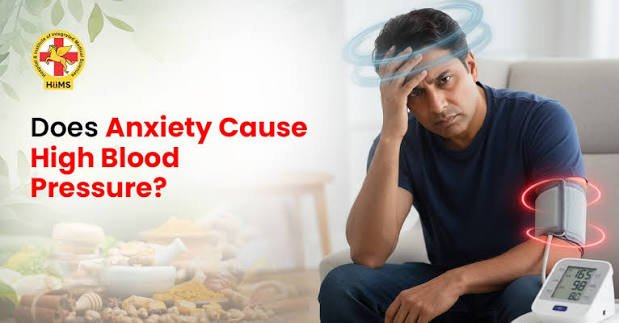

Yes. Anxiety can temporarily raise systolic blood pressure while diastolic pressure remains normal or changes much less. During anxiety, the body’s stress response can increase heart rate and the force with which the heart pumps blood. This can push the systolic (top) number upward. The effect is often temporary and may improve after the person becomes calm. [Source: Mayo Clinic]
However, repeated high readings should not automatically be blamed on anxiety. Under current American Heart Association/American College of Cardiology categories, systolic blood pressure of 130–139 mm Hg falls into stage 1 hypertension, even when diastolic pressure remains below 80. 140 mm Hg or higher is stage 2. Diagnosis depends on repeated measurements and clinical assessment, not one anxious reading. [Source: American Heart Association]
Quick Comparison Table
| Blood pressure pattern | What it can mean |
|---|---|
| 120–129 / <80 mm Hg | Elevated systolic pressure |
| 130–139 / <80 mm Hg | Stage 1 hypertension range |
| ≥140 / <80 mm Hg | Stage 2 hypertension range |
| Temporary rise during anxiety | May reflect the body’s stress response |
| >180/120 mm Hg | Severe range; repeat promptly and seek appropriate medical advice |
| >180/120 + concerning symptoms | Possible hypertensive emergency; seek emergency care |
Blood pressure categories above reflect current AHA/ACC guidance. A healthcare professional should interpret individual readings.
Why Can Anxiety Raise Systolic Blood Pressure?
Anxiety activates the body’s fight-or-flight response. When your brain perceives stress or danger, the sympathetic nervous system becomes more active. The body prepares to respond by increasing cardiovascular activity.
The heart may beat faster and pump more forcefully. Blood vessels can also constrict. Together, these changes can temporarily increase blood pressure.
Because systolic pressure represents the pressure in the arteries when the heart contracts, a stronger or faster cardiac response can produce a noticeable increase in the top number. Diastolic pressure measures arterial pressure between heartbeats, so it may not increase by the same amount. [Source: American Heart Association]
For example, someone who normally measures around 115/75 mm Hg might see a higher reading during an episode of intense worry. That single reading does not establish chronic hypertension.
Does Anxiety Affect Both Numbers?
It can. Anxiety does not have to affect only systolic pressure.
Some people experience increases in both systolic and diastolic pressure. Others notice a larger change in systolic pressure, particularly when their heart rate and cardiac output increase during acute stress.
The exact response varies between individuals and depends on factors such as the intensity of anxiety, physical activity, caffeine intake, medications, pain, sleep, and the circumstances surrounding the measurement.
This is why one unusual reading provides limited information. A pattern of properly measured readings over time gives a much clearer picture.
What Is Systolic and Diastolic Blood Pressure?
Blood pressure is written as two numbers, such as 118/76 mm Hg.
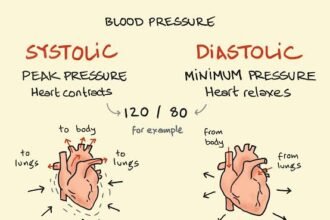
The systolic number is the pressure against artery walls when the heart contracts and pumps blood. The diastolic number represents pressure while the heart relaxes between beats. [Source: American Heart Association]
A person can therefore have a higher systolic number while their diastolic number remains below 80.
For example:
- 128/76: systolic pressure is elevated, while diastolic pressure remains below 80.
- 135/75: the systolic number is in the stage 1 hypertension range.
- 145/78: the systolic number is in the stage 2 hypertension range despite a diastolic number below 80.
The important point is that a normal diastolic reading does not cancel out a repeatedly high systolic reading. Current guidelines classify blood pressure using either number when it reaches the relevant threshold.
How Do You Know If Anxiety Is Causing the Spike?
It can be difficult to prove that anxiety caused a particular blood pressure reading. The most useful approach is to look for a consistent pattern.
You may notice that your systolic pressure rises when you are:
- Worried about your health
- Having a panic or anxiety episode
- Waiting for a medical appointment
- Feeling frightened or under pressure
- Checking your blood pressure repeatedly because you are worried about the result
The reading may then become lower after several minutes of quiet rest.
That pattern can suggest that stress is contributing to the temporary elevation. However, it does not prove that anxiety is the only cause.
Mayo Clinic notes that anxiety can trigger temporary blood-pressure increases but does not itself cause long-term hypertension. Frequent temporary increases may still matter, particularly when they happen repeatedly. [Source: Mayo Clinic]
“White Coat” Effect
Some people experience higher blood pressure in a healthcare setting than at home. This is commonly called the white coat effect.
Anxiety about medical appointments can contribute to a temporary rise. Home monitoring can help healthcare professionals determine whether elevated readings occur outside the clinical setting. [Source: American Heart Association]
How to Measure Blood Pressure More Accurately
If you are anxious about your blood pressure, repeatedly checking it immediately after seeing a high number can create a frustrating cycle: worry increases, and the next measurement may remain elevated.
Instead, use a consistent technique.
Before Measuring
The American Heart Association recommends avoiding smoking, caffeine, and exercise for at least 30 minutes before measurement. Empty your bladder and sit quietly for at least five minutes.
Use a validated automatic upper-arm blood pressure monitor with the correct cuff size. Wrist and finger devices are generally less reliable for routine home monitoring.
During Measurement
Sit comfortably with your back supported and keep your feet on the floor. Rest your arm appropriately and avoid talking while the monitor is measuring.
If you receive an unexpectedly high result, don’t immediately assume that something dangerous is happening. Take another measurement after appropriate rest and record both results. A single high reading is not usually enough to diagnose hypertension. [Source: American Heart Association]
What Should You Do If Your Systolic Number Keeps Rising?
If your systolic pressure repeatedly reaches 130 mm Hg or higher, discuss the readings with a healthcare professional, even if your diastolic pressure stays below 80.
Persistent systolic elevation can have causes other than anxiety. These may include age-related arterial changes, existing hypertension, certain medications, kidney conditions, sleep problems, excess sodium intake, alcohol use, or other cardiovascular risk factors.
A clinician may look at your average readings rather than focusing on one measurement.
The 2025 AHA/ACC guideline emphasizes lifestyle measures such as a heart-healthy eating pattern, reducing sodium, appropriate physical activity, stress management, and maintaining a healthy weight as important parts of blood-pressure prevention and treatment.
Can Anxiety Cause a Blood Pressure Reading of 140/80?
Yes, anxiety can contribute to a temporary reading around 140/80, but you should not automatically assume anxiety explains it.
A reading of 140/80 falls into the stage 2 systolic hypertension range under current AHA/ACC categories because the systolic number is 140 or higher.
If the reading occurs during intense anxiety, sit quietly and repeat the measurement using proper technique. If similar readings continue when you are relaxed, contact a healthcare professional for evaluation.
The distinction is important: anxiety can cause temporary elevation, but repeated elevated blood pressure deserves assessment regardless of whether anxiety is present.
What If My Blood Pressure Is 160/75 During Anxiety?
A reading such as 160/75 mm Hg has a high systolic number and a comparatively normal diastolic number.
Anxiety could contribute to such a temporary increase, but the number should not simply be dismissed as “just anxiety.” A systolic reading of 160 is within the stage 2 hypertension range.
If this happens once, repeat the measurement after resting quietly. If it happens repeatedly, keep a record and discuss it with your healthcare professional.
Your clinician may want to determine whether your blood pressure is elevated only during stressful situations or remains high at other times.
When Is a High Systolic Reading an Emergency?
A particularly important threshold is higher than 180 mm Hg systolic and/or higher than 120 mm Hg diastolic.
If your reading is above this level, the American Heart Association recommends waiting at least one minute and measuring again. If it remains very high, contact a healthcare professional promptly.
If blood pressure remains above 180/120 mm Hg and you also have symptoms such as:
- Chest pain
- Shortness of breath
- Back pain
- Weakness or numbness
- Vision changes
- Difficulty speaking
seek emergency medical care immediately. These symptoms can indicate acute organ damage and should not be attributed to anxiety without evaluation.
Anxiety, Panic Attacks, and Blood Pressure
A panic attack can produce dramatic physical sensations. A racing heart, shaking, sweating, rapid breathing, chest discomfort, and a feeling of impending danger can all occur.
Those symptoms can make someone believe that their blood pressure must be dangerously high. In reality, symptoms alone cannot tell you what your blood pressure is.
Conversely, high blood pressure itself often causes no noticeable symptoms, which is why measurements matter. [Source: American Heart Association]
The safest approach is neither to assume every symptom is anxiety nor to assume every temporary blood-pressure increase represents chronic hypertension.
Can Treating Anxiety Help Blood Pressure?
Reducing anxiety may help prevent repeated stress-related blood-pressure surges. Helpful approaches can include appropriate psychological treatment, relaxation techniques, adequate sleep, physical activity, and other strategies recommended by a healthcare professional.
However, anxiety treatment should not replace evaluation of persistent hypertension.
Medication can also complicate the picture. Mayo Clinic notes that some medications used for anxiety and other mental-health conditions, including certain serotonin and norepinephrine reuptake inhibitors (SNRIs), can raise blood pressure. [Source: Mayo Clinic]
If you notice a blood-pressure change after starting or changing a medication, discuss it with the prescribing professional rather than stopping the medication yourself.
Expert Clinical/Practical Tips
A practical way to understand anxiety-related blood-pressure spikes is to focus on patterns rather than isolated numbers.
First, measure under similar conditions each time. This reduces unnecessary variation.
Second, avoid taking your blood pressure immediately after exercise, caffeine, smoking, or an upsetting event. Give your body time to settle. [Source: American Heart Association]
Third, keep a simple record of the date, time, blood pressure, heart rate, and circumstances. Note whether you were anxious, had just exercised, consumed caffeine, or had another factor that could influence the result.
Finally, do not repeatedly measure your blood pressure every few minutes simply because you are frightened by the first number. Follow a consistent monitoring plan recommended by your healthcare professional.
A series of reliable measurements is much more useful than constantly checking a single reading.
Frequently Asked Questions
Can anxiety cause only the systolic blood pressure to rise?
Yes. Anxiety can temporarily increase blood pressure, and the systolic number may rise more noticeably than the diastolic number. This happens because the body’s stress response can increase heart rate and the force of the heart’s contraction. However, anxiety can also increase diastolic pressure, so there is no universal pattern. A high systolic reading should not automatically be blamed on anxiety, particularly when it happens repeatedly. Current AHA/ACC guidelines classify systolic readings independently when they reach hypertension thresholds.
Is 140 systolic with 70 diastolic caused by anxiety?
Anxiety can contribute to a temporary reading such as 140/70, but it cannot be assumed to be the cause. Under current AHA/ACC categories, a systolic pressure of 140 mm Hg falls into stage 2 hypertension even when the diastolic pressure is 70. If you see this reading during an anxious episode, rest quietly and repeat the measurement using proper technique. If similar readings occur repeatedly, discuss them with a healthcare professional rather than assuming anxiety is responsible.
Why does my blood pressure go up when I worry about it?
Worry can activate your body’s stress response. This can increase heart rate and cardiovascular activity, potentially raising blood pressure temporarily. There can also be a feedback loop: you see a high reading, become frightened, and then measure again while more anxious. The second reading may remain elevated because your body has not fully relaxed. Taking measurements after several minutes of quiet rest and following the same technique each time can provide more useful information.
How long can anxiety-related blood pressure stay elevated?
There is no single duration that applies to everyone. Blood pressure may rise during an acute period of anxiety and then decrease as the stress response settles. If your readings remain high when you are calm or repeatedly become elevated over days or weeks, anxiety should not be assumed to be the only explanation. A healthcare professional can assess your average readings and other risk factors. Mayo Clinic specifically distinguishes temporary increases during anxiety from long-term hypertension.
When should I worry about a high systolic blood pressure reading?
One higher-than-usual reading is not necessarily an emergency, but repeated high readings deserve medical attention. If blood pressure is higher than 180/120 mm Hg, repeat it after at least one minute. If it remains that high, contact a healthcare professional promptly. If a reading above 180/120 occurs with chest pain, shortness of breath, weakness, numbness, vision changes, difficulty speaking, or other concerning symptoms, seek emergency care immediately.
Key Takeaway
Yes, anxiety can cause systolic blood pressure to spike while diastolic pressure stays normal. The body’s stress response can temporarily increase cardiovascular activity, making the top number rise more noticeably.
But the safest approach is to look beyond a single reading. Repeated systolic readings of 130 mm Hg or higher should be discussed with a healthcare professional, even when diastolic pressure remains below 80. Proper home monitoring can help distinguish temporary fluctuations from a persistent blood-pressure problem.
Medical Disclaimer: This article is for general educational purposes only and does not provide a diagnosis or personalized medical advice. Blood pressure readings can have many causes, and a qualified healthcare professional should evaluate persistent or concerning readings. If blood pressure is above 180/120 mm Hg with symptoms such as chest pain, shortness of breath, weakness, vision changes, or difficulty speaking, seek emergency medical care.