
Feeling tired does not always mean you need more caffeine.
Your meals can strongly influence daily energy and focus.
The right foods provide carbohydrates, protein, fats, and nutrients.
They can also help prevent sudden energy crashes.
Energy Food Snapshot
| Food | Main Benefit | Best Time |
|---|---|---|
| Oatmeal | Slow-release carbohydrates | Breakfast |
| Bananas | Quick carbohydrates and potassium | Before activity |
| Eggs | Protein and B vitamins | Breakfast |
| Greek yogurt | Protein and carbohydrates | Snack |
| Nuts | Protein, fats, and magnesium | Anytime |
| Lentils | Iron, protein, and carbohydrates | Lunch or dinner |
| Spinach | Iron and folate | Lunch or dinner |
| Salmon | Protein and healthy fats | Main meal |
| Whole-grain bread | Fiber-rich carbohydrates | Breakfast or lunch |
| Oranges | Fluids and vitamin C | Snack |
Why Food Matters for Natural Energy
Your body needs fuel to produce energy.
Carbohydrates provide a major source of that fuel.
Protein supports muscles and helps maintain fullness.
Healthy fats provide longer-lasting energy reserves.
Harvard Health recommends balanced meals with these nutrients.
Whole grains, vegetables, proteins, and healthy fats are key.
Highly refined sugars can create short-lived energy boosts.
Those boosts may later be followed by crashes.
The important point is not one “superfood.”
Energy depends on the overall quality of your diet.
Meal balance can matter more than individual ingredients.
1. Oatmeal Provides Steady Morning Fuel
Oatmeal is a practical choice for breakfast.
It contains carbohydrates and useful amounts of fiber.
Fiber slows digestion compared with refined carbohydrates.
That can support steadier energy through the morning.
Harvard recommends whole grains for better energy management.
Steel-cut oats are among its suggested breakfast choices.
Make Oatmeal More Complete
Plain oatmeal works well with protein and healthy fats.
Try adding Greek yogurt, nuts, or seeds.
Fresh berries can add flavor and additional nutrients.
This combination is more balanced than sugary cereal.
It also avoids relying entirely on quick carbohydrates.
2. Bananas Work Well Before Physical Activity
Bananas contain carbohydrates that provide readily available fuel.
They also provide potassium, an important mineral.
Their convenience makes them useful before exercise or activity.
A banana alone can work as a quick snack.
For longer-lasting fullness, pair it with protein.
Try banana with peanut butter or Greek yogurt.
The goal is simple: combine different nutrients.
This can create a more balanced snack.
3. Eggs Add Protein and Important B Vitamins
Eggs are nutrient-dense and easy to prepare.
They provide protein and several important vitamins.
B vitamins help the body process food into energy.
Eggs can also complement carbohydrate-rich foods.
Try eggs with whole-grain toast and vegetables.
That creates a more balanced breakfast.
Harvard specifically recommends protein alongside slowly digested carbohydrates.
4. Nuts Offer Protein, Fats, and Magnesium
Nuts are small but nutritionally dense.
They provide protein, unsaturated fats, and minerals.
Magnesium also plays a role in energy metabolism.
Almonds, walnuts, and peanuts are practical choices.
A small handful can make a useful snack.
They also pair well with fruit.
Avoid turning healthy nuts into sugary snacks.
Choose minimally processed options when possible.
5. Lentils Can Support Energy Through Several Nutrients
Lentils provide carbohydrates, protein, fiber, and minerals.
They are especially useful in plant-based meals.
They also provide iron, which supports oxygen transport.
Iron is essential for making energy within cells.
Iron deficiency can contribute to fatigue and weakness.
Pair lentils with vitamin C-rich vegetables.
Tomatoes and peppers are simple options.
Vitamin C helps the body absorb plant-based iron.
6. Spinach Adds Iron, Folate, and Magnesium
Spinach provides several nutrients linked with normal metabolism.
It contains iron, folate, and magnesium.
It also fits easily into everyday meals.
However, spinach is not a magic fatigue cure.
Low energy can have many different causes.
Nutrient deficiencies are only one possible explanation.
Add spinach to eggs, lentils, soups, or sandwiches.
This makes it easier to eat regularly.
7. Greek Yogurt Combines Protein and Carbohydrates
Greek yogurt can make a convenient energy snack.
It provides protein and can contain carbohydrates.
Choose plain varieties when possible to limit added sugar.
Add fruit for naturally occurring carbohydrates.
Add nuts for healthy fats and extra protein.
This creates a balanced snack without much preparation.
The combination reflects Harvard’s recommended energy-focused meal pattern.
8. Salmon Provides Protein and Healthy Fats
Salmon provides high-quality protein and healthy fats.
Harvard lists fatty fish among useful energy-supporting foods.
Protein helps maintain muscle tissue and fullness.
Healthy fats provide concentrated energy and essential nutrients.
Salmon therefore fits well into balanced main meals.
Serve it with vegetables and whole grains.
That creates a complete meal with multiple nutrient sources.
9. Whole-Grain Bread Is Better Than Refined Choices
Whole-grain bread provides carbohydrate and fiber.
Fiber can slow carbohydrate digestion compared with refined bread.
That may help support steadier energy levels.
Harvard recommends whole grains for energy management.
Look for whole grain as the first ingredient.
Avoid choosing bread based only on its color.
Some dark breads are not truly whole grain.
10. Oranges Help With Hydration and Nutrition
Energy is not only about calories and nutrients.
Hydration also matters when you feel tired.
Fatigue can be an early sign of dehydration.
Oranges contain substantial water along with vitamin C.
Other water-rich foods can support daily fluid intake.
Melons, strawberries, tomatoes, and cucumbers are examples.
Water should still remain your main hydration choice.
The Smartest Energy Strategy Is Food Pairing
One overlooked point is how foods work together.
You do not need one perfect energy food.
Combining carbohydrates, protein, and healthy fats works better.
Simple Energy Meal Combinations
- Oatmeal + Greek yogurt + berries
- Banana + peanut butter
- Eggs + whole-grain toast + vegetables
- Lentils + tomatoes + leafy greens
- Salmon + brown rice + vegetables
- Greek yogurt + fruit + walnuts
- Whole-grain toast + eggs + avocado
These combinations provide different nutrients in one meal.
They can also reduce dependence on sugary snacks.
Foods That May Cause Energy Crashes
Candy can provide a fast energy increase.
However, that effect is usually short-lived.
Large amounts of refined carbohydrates can also cause problems.
Try limiting these choices when energy matters:
- Sugary drinks
- Candy and sweets
- Highly refined breakfast cereals
- Large portions of refined starches
- Heavy meals with excessive added fats
This does not mean these foods are forbidden.
Portion size and overall diet still matter.
When Low Energy Needs More Attention
Food can support normal energy levels.
It cannot fix every cause of persistent fatigue.
Iron, vitamin B12, vitamin B6, and vitamin D deficiencies can contribute.
Other medical conditions can also cause prolonged tiredness.
Do not start high-dose supplements without medical advice.
Extra nutrients do not automatically create extra energy.
Excess iron can even cause serious health problems.
If fatigue persists, speak with a healthcare professional.
That is especially important when daily activities become difficult.
Bottom Line
The best foods for natural energy are not complicated.
Choose whole grains, fruits, vegetables, proteins, and healthy fats.
Build meals instead of chasing quick sugar boosts.
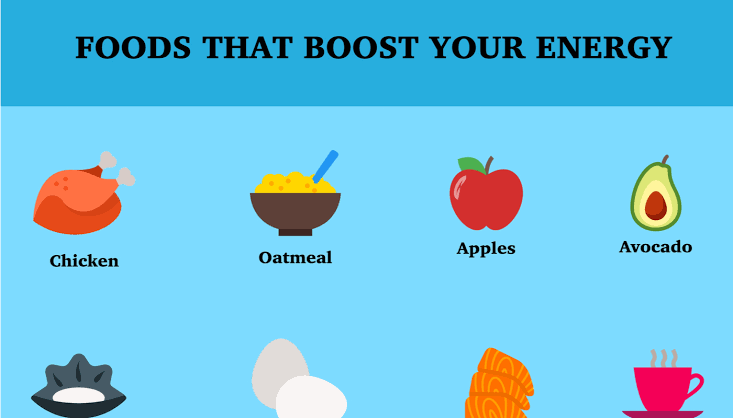
Oatmeal, bananas, eggs, nuts, lentils, spinach, and salmon help.
Yogurt and whole grains also make practical everyday choices.
Hydration matters just as much as food quality.
The biggest advantage comes from consistent eating habits.
A balanced plate can support energy without relying on stimulants.
Read more :Accessing Port: A Clear Guide to the Medical Procedure