
A healthier body does not come from extreme diets or exhausting workouts. It comes from small habits repeated every day.
This complete Fitness and Wellness Guide explains how to build strength, improve nutrition, protect mental health, and create a sustainable lifestyle using practical strategies that fit modern routines — including South Asian eating habits.
Fitness and Wellness Guide: Understanding True Health
Many people think fitness means having visible muscles or losing weight quickly. That definition is incomplete.
Real wellness combines:
- Physical strength
- Balanced nutrition
- Mental stability
- Quality sleep
- Daily movement
- Disease prevention
Health is not created inside a gym alone. It is built through everyday decisions.
The World Health Organization recommends adults complete at least 150 minutes of moderate-intensity physical activity weekly and include muscle-strengthening exercises on two or more days.
A healthy lifestyle is not about perfection.
It is about consistency.
The Four Pillars of Fitness and Wellness
1. Physical Activity: Move Your Body Every Day
Exercise affects almost every system in the human body.
Regular physical activity helps reduce risks linked with heart disease, diabetes, hypertension, and several chronic conditions. It also supports mental health and overall wellbeing.
A common mistake is waiting for the “perfect time” to exercise.
Most people have busy schedules.
The better approach is creating movement opportunities.
Simple Daily Movement Examples
| Activity | Time | Benefit |
|---|---|---|
| Brisk walking | 30 minutes | Heart health and stamina |
| Bodyweight exercises | 15–20 minutes | Strength improvement |
| Stretching | 10 minutes | Mobility support |
| Household activities | Daily | Extra calorie expenditure |
| Cycling | 30 minutes | Cardiovascular fitness |
Strength Training: The Missing Piece
Many people focus only on cardio.
hey walk.
They run.
They burn calories.
But they ignore muscle.
Muscles protect joints.
They improve posture.
They help maintain metabolism as people age.
Strength training does not always require expensive equipment.
A beginner can start with:
- Squats
- Push-ups
- Lunges
- Planks
- Resistance bands
Beginner Strength Routine
| Exercise | Sets | Repetitions |
|---|---|---|
| Squats | 3 | 10–15 |
| Wall Push-ups | 3 | 12 |
| Lunges | 2 | 10 each leg |
| Plank | 3 | 20–40 seconds |
Nutrition: Building a Healthy Plate
Fitness results depend heavily on food choices.
Exercise creates the signal.
Nutrition provides the building material.
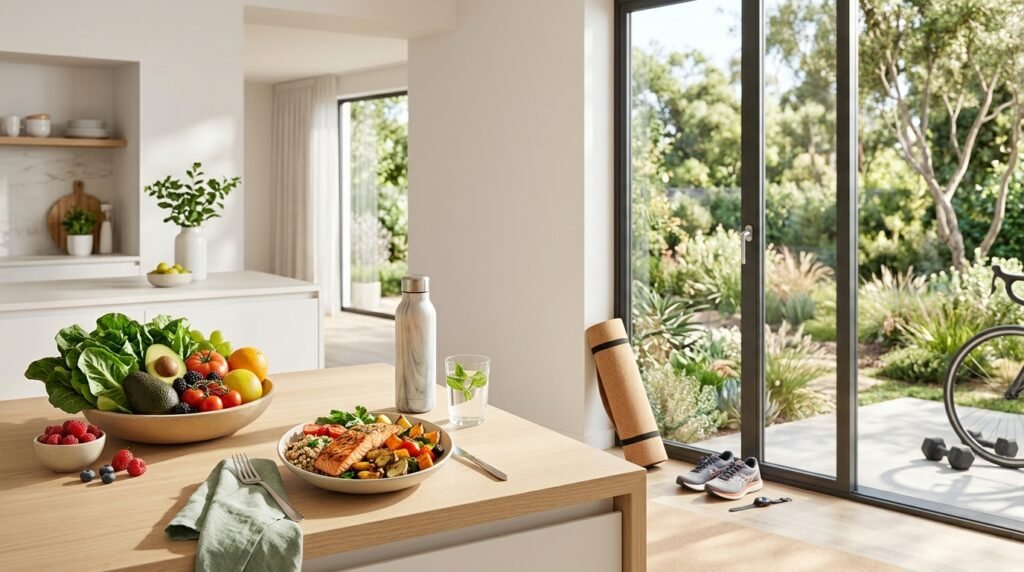
A balanced diet should include:
| Food Group | Pakistani Examples | Purpose |
|---|---|---|
| Protein | Eggs, chicken, fish, daal, yogurt | Muscle repair |
| Complex carbohydrates | Brown rice, oats, whole wheat roti | Energy |
| Healthy fats | Nuts, seeds, olive oil | Hormone support |
| Vegetables | Spinach, carrots, cucumber | Vitamins and minerals |
| Fruits | Apples, oranges, bananas | Fiber and nutrients |
Protein: The Foundation of Recovery
Protein helps repair and maintain muscle tissue.
Active people usually need more protein than sedentary individuals.
Good local protein sources include:
- Daal with balanced meals
- Chicken breast
- Fish
- Eggs
- Greek yogurt
- Milk
- Chickpeas
A common Pakistani meal problem is:
Too many carbohydrates. Too little protein.
A plate full of rice or naan may provide energy.
But without protein, recovery suffers.

Hydration and Wellness
Water affects:
- Temperature control
- Digestion
- Exercise performance
- Energy levels
Many people confuse thirst with hunger.
Especially in hot climates like Pakistan, hydration needs attention.
Hydration Habits
- Drink water after waking.
- Carry a reusable bottle.
- Increase intake during heat.
- Replace sugary drinks with water.
Sleep: The Forgotten Fitness Tool
Many fitness plans fail because sleep is ignored.
During sleep, the body performs important recovery processes.
Poor sleep can affect:
- Appetite control
- Energy
- Exercise performance
- Mood
Healthy Sleep Targets
| Age Group | Recommended Sleep |
|---|---|
| Adults | 7–9 hours |
| Teenagers | 8–10 hours |
| Older adults | 7–8 hours |
Practical Fitness and Wellness Routine
Morning Routine
| Time | Activity |
|---|---|
| 6:30 AM | Water and light stretching |
| 7:00 AM | Walk or workout |
| 8:00 AM | Protein-rich breakfast |
Breakfast ideas:
- Eggs with whole wheat roti
- Yogurt with oats
- Daal chilla
- Fruit with nuts
Weekly Workout Plan for Beginners
| Day | Workout |
|---|---|
| Monday | Full-body strength |
| Tuesday | Walking + stretching |
| Wednesday | Strength training |
| Thursday | Light activity |
| Friday | Strength training |
| Saturday | Outdoor activity |
| Sunday | Recovery |
Pakistani Lifestyle Fitness Strategy
A healthy lifestyle does not require abandoning traditional foods.
The goal is improvement.
Instead of:
Large naan + oily curry daily
Try:
Smaller portion + protein + vegetables
Examples:
| Traditional Food | Healthier Adjustment |
|---|---|
| Biryani | Smaller serving + salad |
| Paratha | Less oil + eggs |
| Chai | Reduce sugar |
| Fried snacks | Roasted alternatives |
| Desserts | Smaller portions |
Mental Wellness: Training Your Mind
Fitness is incomplete without mental health.
Exercise can reduce symptoms of anxiety and depression while improving overall wellbeing.
Simple mental wellness habits:
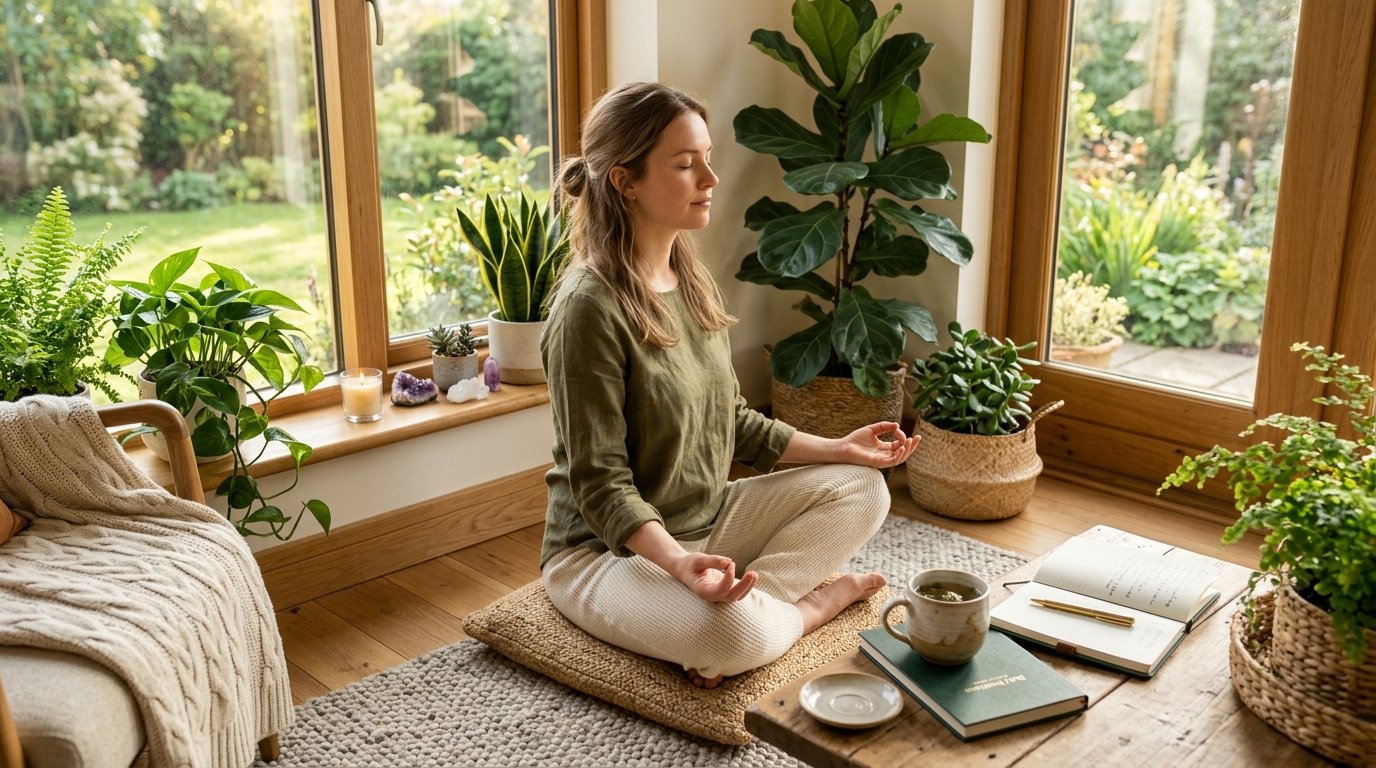
- Daily sunlight exposure
- Social connection
- Journaling
- Breathing exercises
- Time away from screens
Stress affects eating habits.
Many people eat emotionally.
Understanding triggers is part of wellness.
Common Fitness Myths vs Reality
| Myth | Reality |
|---|---|
| “You need a gym to get fit.” | Home workouts can build strength. |
| “Carbs are always bad.” | Quality and quantity matter. |
| “Sweating means fat loss.” | Sweat mainly regulates temperature. |
| “Extreme diets work faster.” | Sustainable habits create lasting results. |
| “Only young people need exercise.” | Movement benefits every age group. |
Final Fitness Action Checklist
Start with these five steps:
- Move daily: Walk, stretch, or train.
- Eat protein: Add quality sources every meal.
- Sleep properly: Protect recovery.
- Drink water: Support body functions.
- Stay consistent: Small actions create results.
Medical Disclaimer
This article is for educational and informational purposes only. It does not replace professional medical advice, diagnosis, or treatment. Individuals with medical conditions, injuries, pregnancy, or specific health concerns should consult a qualified healthcare professional before starting any new exercise or nutrition program.
Read more :