
Yes, dehydration can cause low diastolic blood pressure. Fluid loss can reduce blood volume, which may lower overall blood pressure and sometimes make the bottom number drop.
The important detail is this: a single low diastolic reading does not always mean dehydration. Medicines, heart conditions, hormone problems, blood loss, and other factors can also affect blood pressure.
At a Glance
| Quick Fact | Information |
|---|---|
| Main question | Can dehydration lower diastolic pressure? |
| Short answer | Yes, especially through reduced blood volume |
| Diastolic pressure | The bottom blood-pressure number |
| Common dehydration triggers | Sweating, vomiting, diarrhea, fever, low fluid intake |
| Possible symptoms | Dizziness, weakness, fainting, blurred vision |
| Important concern | Severe dehydration can cause dangerous hypotension |
| When to seek help | Fainting, confusion, severe weakness, or persistent symptoms |
SEO Meta Description: Can dehydration cause low diastolic blood pressure? Learn how fluid loss affects blood volume, symptoms, readings, and when to seek care.
What Does the Diastolic Blood Pressure Number Mean?
Blood pressure contains two numbers.
For example, consider a reading of 110/70 mmHg.
- 110 is systolic pressure.
- 70 is diastolic pressure.
Systolic pressure measures arterial pressure during a heartbeat.
Diastolic pressure measures arterial pressure between heartbeats.
Therefore, the bottom number reflects pressure while the heart relaxes. Blood pressure naturally changes throughout the day. Body position, activity, food, medicines, and hydration can all influence readings.
A reading below 90/60 mmHg is commonly considered low blood pressure. However, a low reading alone is not always dangerous. Symptoms and underlying causes matter greatly.
How Can Dehydration Cause Low Diastolic Blood Pressure?
Dehydration means the body loses more fluid than it receives.
This loss can happen gradually or quickly.
Common causes include:
- Heavy sweating
- Vomiting
- Diarrhea
- Fever
- Intense exercise
- Not drinking enough fluids
- Some medicines, including diuretics
When the body loses significant fluid, blood volume can decrease. With less circulating volume, blood pressure may fall. This drop can affect both systolic and diastolic readings.
Cleveland Clinic explains this relationship simply: dehydration reduces fluid within the circulation, and lower blood volume can contribute to lower blood pressure.
Why the Bottom Number May Drop
The diastolic number depends partly on pressure maintained within the arteries between heartbeats.
When dehydration reduces circulating blood volume, the body may struggle to maintain normal pressure. As a result, the diastolic number can decrease.
However, dehydration does not always produce isolated low diastolic pressure. Often, it causes a broader reduction in blood pressure.
This distinction is important.
A consistently low bottom number with a normal or high top number may have other explanations. Mayo Clinic notes that arterial stiffness can contribute to unusually low diastolic pressure, particularly in some older adults.
Dehydration and Orthostatic Blood Pressure Changes
One overlooked connection involves orthostatic hypotension.
This happens when blood pressure drops after standing.
Dehydration is a recognized cause because reduced blood volume makes it harder for the body to maintain pressure during position changes.
You might feel normal while sitting.
Then symptoms may appear after standing.
Possible signs include:
- Lightheadedness
- Dizziness
- Weakness
- Blurred vision
- Nausea
- Fainting
The diastolic number may fall during these changes. Orthostatic hypotension can involve a drop of at least 10 mmHg in diastolic pressure after standing, according to Cleveland Clinic’s medical guidance.
Signs That Dehydration May Be Affecting Blood Pressure
Low blood pressure and dehydration can share several symptoms.
These symptoms may include dizziness and weakness.
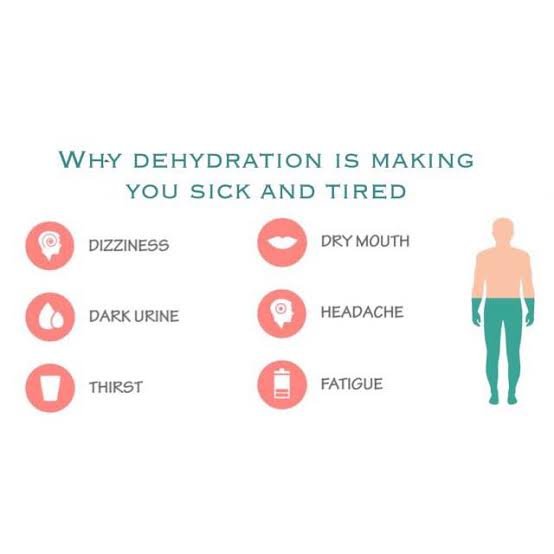
Common Signs of Dehydration
MedlinePlus lists several possible dehydration signs, including:
- Thirst
- Dry or sticky mouth
- Darker urine
- Reduced urination
- Headache
- Muscle cramps
- Dizziness or lightheadedness
More severe dehydration can cause confusion, rapid heartbeat, shock, or unconsciousness.
Symptoms Linked With Low Blood Pressure
Low blood pressure may cause:
- Dizziness
- Weakness
- Blurred vision
- Nausea
- Fatigue
- Confusion
- Fainting
These symptoms deserve more attention when they occur repeatedly.
Can Drinking Water Raise Low Blood Pressure?
If dehydration is contributing to low blood pressure, restoring fluids may help improve circulation.
However, water is not a universal treatment for every cause.
That distinction matters.
For example, low blood pressure can also result from heart problems, endocrine conditions, blood loss, severe infection, or medication effects. Simply drinking more water would not address every underlying cause.
People with medical conditions involving fluid restrictions should also follow advice from their healthcare professional.
Do not dramatically increase fluid intake without medical guidance if you have been instructed to limit fluids.
When Low Diastolic Blood Pressure May Have Another Cause
Dehydration is only one possibility.
Persistent low diastolic readings deserve broader consideration.
Potential causes can include:
- Blood pressure medications
- Diuretics
- Heart conditions
- Slow heart rate
- Hormonal disorders
- Blood loss
- Severe infection
- Nutritional deficiencies
- Arterial stiffness
Some people naturally have lower blood pressure without symptoms. In those cases, treatment may not be necessary.
The original angle here is important: hydration may explain a sudden change, but persistent isolated low diastolic pressure should not automatically be blamed on dehydration.
That difference can help prevent self-diagnosis.
When Should You Seek Medical Help?
Occasional mild dizziness may have many causes.
Persistent symptoms should not be ignored.
Seek medical advice if low blood pressure repeatedly causes:
- Frequent dizziness
- Repeated fainting
- Blurred vision
- Significant weakness
- Confusion
- Ongoing nausea
Severe symptoms require urgent attention. Mayo Clinic notes that extreme hypotension and shock can become life-threatening.
Severe dehydration may also lead to reduced blood flow to vital organs.
How to Check Whether Your Reading Is Consistently Low
One blood-pressure measurement provides limited information.
Blood pressure naturally fluctuates.
A better approach is to record readings under similar conditions. Sit quietly before measuring. Follow your monitor’s instructions carefully.
Write down:
| What to Record | Why It Helps |
|---|---|
| Date and time | Identifies patterns |
| Blood-pressure reading | Tracks systolic and diastolic changes |
| Symptoms | Adds useful medical context |
| Body position | Helps identify positional drops |
| Fluid loss | Notes vomiting, diarrhea, or heavy sweating |
| Medicines taken | Helps identify possible medication effects |
If low readings continue, share this information with a healthcare professional.
The Bottom Line
Yes, dehydration can cause low diastolic blood pressure. Fluid loss can reduce blood volume and lower overall blood pressure.
However, dehydration is not the only explanation.
A temporary low reading after sweating, illness, vomiting, or diarrhea may fit dehydration. On the other hand, persistent low diastolic pressure may require evaluation for medications, cardiovascular issues, hormonal conditions, or other causes.
The most useful question is not simply, “Is my diastolic number low?”
It is also, “Is this new, persistent, or causing symptoms?”
That context provides a much clearer picture.
Frequently Asked Questions
Can dehydration cause only the diastolic number to be low?
Dehydration can lower blood pressure through reduced circulating blood volume. However, it does not necessarily lower only the diastolic number. Both numbers may decrease. Persistently isolated low diastolic pressure can have other causes, including arterial stiffness or medication effects. A pattern of repeated readings is more informative than one measurement.
What diastolic number is considered too low?
Blood pressure below 90/60 mmHg is commonly classified as hypotension. However, there is no single diastolic number that is automatically dangerous for every person. Some people naturally have lower readings without symptoms. The presence of dizziness, fainting, confusion, or weakness is often more clinically important than one isolated number.
Can drinking water quickly increase low blood pressure?
Water may help when dehydration contributes to reduced blood volume and low blood pressure. However, the response depends on the cause and severity. Low blood pressure caused by heart disease, bleeding, infection, or medications requires different management. Persistent or symptomatic low readings should not be treated through self-diagnosis alone.
Why do I feel dizzy when standing while dehydrated?
Dehydration can reduce circulating blood volume. When you stand, gravity causes blood to shift toward your legs. Your body must quickly adjust circulation to maintain blood flow to the brain. Reduced blood volume can make this adjustment harder, causing orthostatic hypotension, dizziness, or fainting.
When is low blood pressure an emergency?
Severe low blood pressure accompanied by fainting, confusion, collapse, or signs of shock requires urgent medical attention. Severe dehydration can also become dangerous when organs receive insufficient blood flow. If symptoms are intense or rapidly worsening, seek emergency medical care rather than attempting to manage the situation only by drinking fluids.
Read more :How Long Does It Take for Diastolic Blood Pressure to Drop After Exercise?