
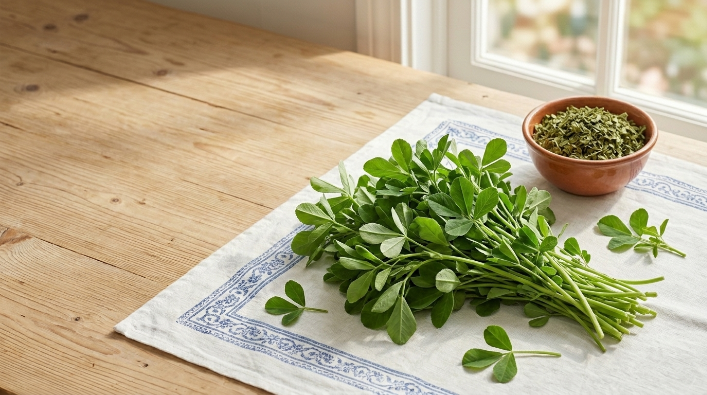

Fenugreek leaves, also called methi, are generally considered safe for most people when eaten in normal food portions. However, fenugreek supplements, seed powders, extracts, and medicinal teas may deliver much larger doses. These concentrated products have a greater potential to cause digestive problems, allergic reactions, low blood sugar, and medication interactions.
Research specifically examining fresh fenugreek leaves remains limited. Most safety reports and clinical studies involve fenugreek seeds or concentrated preparations. Therefore, the risk from a normal serving of cooked methi may not equal the risk from a supplement.
Medical disclaimer: This article provides general health information. It does not replace advice from a physician, pharmacist, registered dietitian, or allergist. Seek professional guidance before using concentrated fenugreek during pregnancy, while breastfeeding, before surgery, or alongside medication.
Are Fenugreek Leaves Safe to Eat?
Normal culinary amounts of fresh, frozen, or dried fenugreek leaves are generally well tolerated by healthy adults. People commonly use the leaves in curries, lentils, eggs, vegetable dishes, and flatbreads.
Safety depends partly on the product:
| Fenugreek form | Common use | Relative concern |
|---|---|---|
| Fresh leaves | Cooked as a vegetable | Generally low in food portions |
| Frozen leaves | Added to cooked meals | Generally low in food portions |
| Dried leaves | Used as a seasoning | Usually low when used sparingly |
| Seed powder | Food or traditional remedy | Higher at medicinal doses |
| Extract or capsule | Dietary supplement | Greater interaction potential |
| Concentrated tea | Traditional or medicinal use | Dose may be difficult to estimate |
The absence of side effects in food use does not prove that high-dose supplements are safe.
Possible Fenugreek Leaves Side Effects
Fenugreek may cause digestive or allergic symptoms in some people. Larger doses appear more likely to cause problems.
Possible side effects include:
- Nausea
- Diarrhea
- Gas or bloating
- Abdominal discomfort
- Dizziness
- Headache
- An unusual maple-like odor in urine or sweat
- Low blood sugar after large doses
- Skin or respiratory allergic reactions
A small amount of cooked methi may not cause the same effects as concentrated seed powder. However, people with sensitive digestion may still prefer to introduce the leaves gradually.
Stop consuming fenugreek if symptoms repeatedly appear after eating it. Seek urgent medical care for trouble breathing, throat swelling, faintness, or rapidly spreading hives.
Fenugreek and Digestive Problems
Diarrhea, nausea, gas, and other gastrointestinal symptoms are among the most frequently reported fenugreek side effects. These problems occur more often with larger quantities or concentrated preparations.
People with irritable bowel syndrome or another gastrointestinal condition may be more sensitive to sudden dietary changes. Introduce methi in a modest portion and observe individual tolerance.
Fenugreek should not be used to self-treat persistent constipation, diarrhea, or abdominal pain. These symptoms can have causes that require proper diagnosis.
Can Fenugreek Lower Blood Sugar Too Much?
Some clinical research suggests that certain fenugreek seed preparations may reduce blood glucose. However, study quality, dosage, and product formulations vary. The effect of ordinary servings of fenugreek leaves remains less certain.
A harmful reduction in blood glucose is more likely when concentrated fenugreek is combined with insulin or another glucose-lowering medicine.
Warning signs of hypoglycemia may include:
- Shaking
- Sweating
- Sudden hunger
- Dizziness
- Weakness
- Confusion
- Rapid heartbeat
- Blurred vision
Severe hypoglycemia can become a medical emergency. People taking diabetes medication should not use fenugreek supplements to lower their glucose without professional supervision.
The National Center for Complementary and Integrative Health notes that evidence supporting fenugreek for diabetes remains limited. It also warns that large doses may cause a harmful decrease in blood sugar.
Fenugreek Medication Interactions
Fenugreek can potentially interact with prescription medicines, over-the-counter drugs, and other supplements. Evidence for several interactions remains incomplete because researchers have not conducted enough high-quality human studies.
Nevertheless, the following combinations require caution.
Diabetes medications
Fenugreek may add to the glucose-lowering effect of certain medicines.
Examples include:
- Insulin
- Metformin
- Sulfonylureas
- Meglitinides
- Other medicines that lower blood glucose
The interaction risk is more relevant to capsules, extracts, seed powders, and medicinal amounts than to occasional food use. However, anyone making a major increase in fenugreek intake should monitor glucose according to their treatment plan.
Do not reduce or stop diabetes medication because you have started eating fenugreek.
Warfarin and blood-thinning medication
Green vegetables can contain vitamin K, which can affect warfarin treatment. People using warfarin generally do not need to eliminate leafy vegetables. Instead, they should keep vitamin K intake reasonably consistent.
A sudden increase or decrease could affect anticoagulation control. The NIH Office of Dietary Supplements advises warfarin users to maintain a consistent vitamin K intake.
Additionally, some references raise concerns that concentrated fenugreek may influence blood clotting. Strong clinical evidence remains limited, so the exact risk is uncertain.
Extra caution may be appropriate with:
- Warfarin
- Heparin
- Apixaban
- Rivaroxaban
- Dabigatran
- Clopidogrel
- Daily aspirin used for a medical reason
Do not stop a blood thinner without instructions from the prescribing clinician. Ask a physician or pharmacist before taking concentrated fenugreek.
Other blood-sugar-lowering supplements
Combining several glucose-lowering supplements may produce an unpredictable cumulative effect.
Examples can include:
- Berberine
- Bitter melon
- Gymnema
- High-dose cinnamon products
- Alpha-lipoic acid
Evidence and product quality vary. Tell your clinician about every supplement rather than considering each product separately.
Medication absorption
Fenugreek seeds contain considerable fiber and mucilage. In theory, high-fiber preparations could alter how quickly some oral medicines are absorbed. Direct evidence for many individual drugs remains limited.
A pharmacist can determine whether a fenugreek supplement should be separated from medication by several hours. Do not assume one timing rule applies to every drug.
Fenugreek During Pregnancy
Normal food use and concentrated medicinal use are not the same.
According to the NCCIH, fenugreek is not safe during pregnancy in quantities greater than those commonly present in food. Reports and experimental evidence have raised concerns about potential harm to fetal development.
Pregnant individuals should:
- Keep fenugreek use within normal culinary amounts unless advised otherwise.
- Avoid high-dose capsules and extracts.
- Avoid concentrated fenugreek teas marketed for medicinal effects.
- Discuss herbal products with an obstetric professional.
- Never use fenugreek to induce labor.
A dish containing a small amount of methi is different from consuming a high-dose supplement every day. Product labels may not make this distinction clear.
Fenugreek While Breastfeeding
Fenugreek supplements are sometimes promoted as galactagogues, meaning products intended to increase breast-milk production. Human studies have produced mixed findings, and researchers have not established a universally effective dose.
The NCCIH states that little is known about the safety of fenugreek in amounts greater than those found in food during breastfeeding.
Possible concerns include:
- Digestive symptoms in the breastfeeding parent
- Allergic reactions
- Changes in blood glucose
- Uncertain supplement strength
- Possible symptoms in the nursing infant
Milk-supply problems can have several causes. A physician or qualified lactation consultant can assess feeding technique, infant growth, medication use, and underlying medical issues.
Fenugreek and Food Allergies
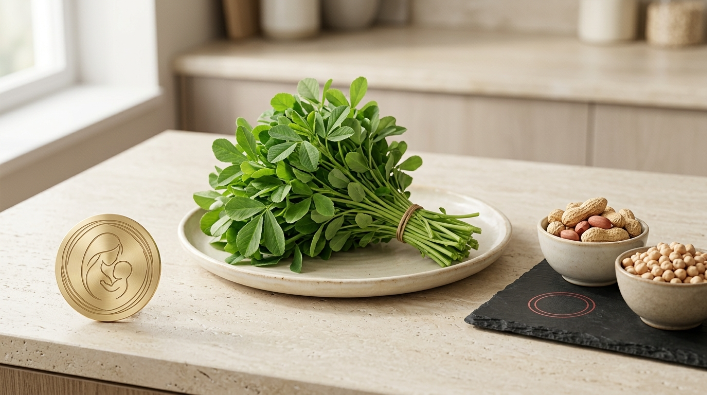
Fenugreek belongs to the legume family, which also includes peanuts, chickpeas, soybeans, peas, and lentils.
Allergic reactions to fenugreek are uncommon but potentially serious. Symptoms may include:
- Itching
- Hives
- Facial or lip swelling
- Nasal symptoms
- Wheezing
- Vomiting
- Breathing difficulty
- Anaphylaxis
Published research has documented possible cross-reactivity between fenugreek and peanuts. A 2024 report indexed by PubMed states that this cross-reactivity should be considered when managing peanut allergy.
People with severe peanut or chickpea allergies should consult an allergist before trying fenugreek. Fenugreek may also be included under the general word “spice” on some packaged-food labels.
If an allergic reaction affects breathing or circulation, use prescribed emergency medication and seek emergency assistance immediately.
Fenugreek Before Surgery
Fenugreek supplements may affect blood glucose and could potentially interact with medicines used before, during, or after surgery. Concerns about clotting have also been raised, although clinical evidence remains incomplete.
Before a procedure:
- Tell the surgical team about every supplement.
- Provide the product name and dose.
- Follow the team’s instructions about stopping it.
- Do not wait until the day of surgery.
- Do not stop prescribed medication independently.
The appropriate discontinuation period depends on the product, procedure, and individual medical history.
Can Children Eat Fenugreek Leaves?
Small food portions of fenugreek leaves are generally different from medicinal supplements. Children may eat properly prepared methi as part of a varied family diet, provided they have no relevant allergy.
However, there is insufficient safety information about high-dose fenugreek products in children. Do not give a child fenugreek capsules, concentrated teas, or medicinal powders without advice from a pediatric healthcare professional.
Young children may also find the bitter flavor difficult. Combining a small amount with familiar vegetables can make it more acceptable.
How to Use Fenugreek Leaves More Safely
These practical steps can reduce avoidable risks:
- Purchase leaves from a reliable food retailer.
- Refrigerate fresh leaves promptly.
- Discard slimy or foul-smelling leaves.
- Wash fresh methi under clean running water.
- Do not wash produce with soap or bleach.
- Start with a modest amount.
- Cook leaves thoroughly when food safety is a concern.
- Check packaged products for salt and allergens.
- Keep warfarin-related dietary intake consistent.
- Avoid medicinal doses during pregnancy.
- Review supplements with a pharmacist.
People trying fenugreek for the first time should avoid combining it with several new foods or supplements. Introducing one change at a time makes an unwanted reaction easier to identify.
Food Amounts vs. Fenugreek Supplements
Fenugreek leaves used in cooking do not provide the same exposure as concentrated supplements. This distinction is central to evaluating safety.
The FDA explains that dietary supplements are not approved for safety and effectiveness before marketing. Manufacturers have primary responsibility for ensuring product safety and accurate labeling.
Before purchasing a supplement:
- Identify the plant part used.
- Check the amount per serving.
- Review all added ingredients.
- Avoid products promising a cure.
- Look for credible independent quality testing.
- Ask a pharmacist about interactions.
- Confirm whether the product is appropriate during pregnancy or breastfeeding.
“Natural” does not mean free from side effects or interactions.
When to Contact a Healthcare Professional
Ask for professional advice before using concentrated fenugreek if you:
- Are pregnant or breastfeeding
- Take insulin or diabetes medication
- Use warfarin or another blood thinner
- Have a peanut or chickpea allergy
- Are preparing for surgery
- Have recurring low blood sugar
- Take several prescription medicines
- Want to give a supplement to a child
Seek immediate medical help after fenugreek exposure if breathing becomes difficult or the tongue, throat, or face begins to swell.
What the Evidence Actually Supports
Fenugreek leaves are generally suitable as a food for most people. However, research specifically evaluating their medicinal effects and long-term safety remains limited.
Most documented benefits, side effects, and interactions relate to seeds, powders, or extracts. These findings should not be transferred automatically to a normal serving of cooked methi.
The safest evidence-based approach is to treat fenugreek leaves as food—not as a substitute for diabetes treatment, allergy care, pregnancy guidance, or prescribed medication.
Frequently Asked Questions
Can fenugreek leaves cause diarrhea?
They may cause diarrhea or stomach discomfort, particularly in large amounts. Concentrated powders and supplements present a greater concern than modest food portions.
Do fenugreek leaves interact with metformin?
Fenugreek preparations may add to metformin’s glucose-lowering effect. The clinical importance of ordinary leaf portions is unclear, but supplements should be discussed with a healthcare professional.
Are fenugreek leaves safe during pregnancy?
Normal culinary amounts differ from medicinal doses. The NCCIH advises against amounts greater than those commonly found in food during pregnancy.
Can someone with a peanut allergy eat fenugreek?
Cross-reactivity between peanut and fenugreek has been reported. People with serious peanut allergies should consult an allergist before trying it.
Should warfarin users avoid methi?
Not necessarily. Warfarin users should generally keep vitamin K intake consistent. A major increase in leafy vegetable consumption should be discussed with the anticoagulation team.
Are fenugreek supplements safer than prescription medicine?
No. Supplements can cause side effects and interactions. They are also not FDA-approved for safety and effectiveness before marketing.
Final Safety Summary
Fenugreek leaves are generally safe when used in normal meals. Concentrated extracts, capsules, seed powders, and medicinal teas require greater caution.
The most important concerns involve pregnancy, serious legume allergies, diabetes medication, anticoagulants, and surgery. Evidence for some interactions remains incomplete, but limited evidence does not guarantee safety. A physician or pharmacist can assess the complete medication list and individual risk factors.
Medical References
- NCCIH: Fenugreek—Usefulness and Safety
- FDA: Questions and Answers on Dietary Supplements
- NIH Office of Dietary Supplements: Vitamin K
- PubMed: Fenugreek Allergy Caused by Peanut Cross-Reactivity
- PubMed: Toxicological Properties of Fenugreek
Read more :Mediterranean Diet Breakfast: 12 Easy and Healthy Ideas