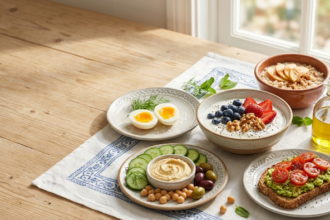
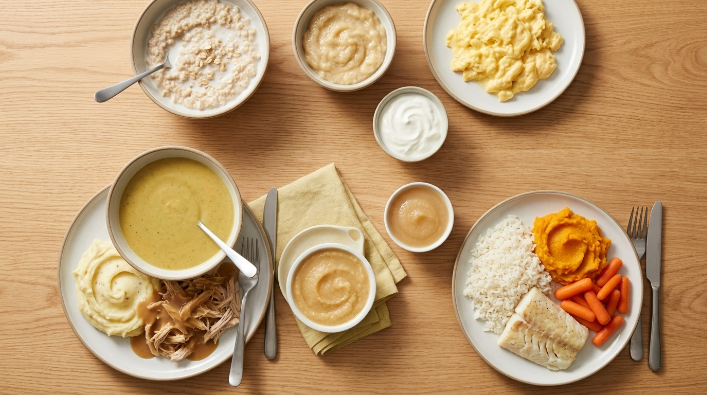

A soft food diet includes tender, moist foods that require little chewing. Doctors and dentists may recommend it after oral surgery, dental work, certain operations, or an illness that makes eating difficult.
Common choices include scrambled eggs, yogurt, oatmeal, tender fish, mashed potatoes, cooked vegetables, and applesauce. However, a dental soft diet is not the same as a gastrointestinal, puréed, or dysphagia diet. Always follow the specific texture instructions provided by your healthcare professional.
Quick Answer: What Can You Eat on a Soft Food Diet?
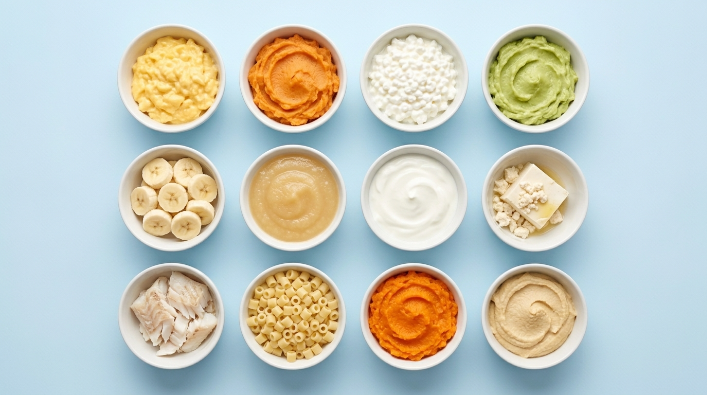
Most people following a general dental or mechanical soft diet can choose:
- Soft eggs
- Plain yogurt and cottage cheese
- Tender fish
- Moist ground meat
- Soft tofu
- Smooth nut butter
- Mashed potatoes
- Well-cooked oatmeal
- Soft pasta
- Cooked vegetables
- Bananas and avocados
- Applesauce
- Canned peaches or pears
- Smooth soups
Avoid hard, crunchy, dry, sticky, or tough foods. Examples include nuts, popcorn, chips, raw vegetables, steak, crusty bread, granola, and chewy candy.
The correct list depends on why you need the diet. People with swallowing problems should not choose textures without a swallowing assessment.
What Is a Soft Food Diet?
A soft food diet changes the texture of regular food to make it easier to chew or swallow. Foods may be cooked longer, finely chopped, ground, mashed, moistened, blended, or puréed.
This diet may temporarily reduce discomfort and make eating more manageable during recovery. It does not treat the underlying cause of chewing, digestive, or swallowing problems.
According to Cleveland Clinic guidance, a gastrointestinal soft diet may also limit fiber to reduce digestive residue. By comparison, a dental soft diet focuses mainly on reducing chewing and preventing irritation around a healing area.
The Meaning of “Soft” Depends on Your Diagnosis
“Soft food diet” is a broad term. Before using any online food list, confirm which version your doctor, dentist, or dietitian prescribed.
| Diet type | Main purpose | Typical texture |
|---|---|---|
| Dental soft diet | Protect a healing mouth | Tender, moist, easy to chew |
| Mechanical soft diet | Reduce chewing effort | Chopped, ground, mashed, or tender |
| GI soft diet | Reduce digestive workload | Soft and often lower in fiber |
| Puréed diet | Provide a smooth texture | Blended with no lumps |
| Dysphagia diet | Improve swallowing safety | Precisely modified texture |
| Post-bariatric soft diet | Support staged surgical recovery | Small portions following a surgical plan |
A food may fit one plan but not another. For example, soft whole-grain oatmeal may work after dental treatment but may not fit a prescribed low-fiber GI diet.
Likewise, bread, rice, soup, and nut butter can cause problems for some people with dysphagia. Their safety depends on texture, moisture, particle size, and the individual’s swallowing ability.
Who May Need Soft Foods?
People recovering from dental procedures
Dentists may recommend soft foods after:
- Wisdom tooth removal
- Tooth extraction
- Dental implant surgery
- Gum surgery
- Jaw injury
- Major restorative treatment
The goal is to limit chewing and protect the treatment area. Small seeds, sharp crumbs, and crunchy foods may enter or irritate a healing site.
People recovering from surgery
Some surgical patients progress through liquids, purées, soft foods, and regular foods. However, the schedule depends on the operation.
Bariatric surgery requires a particularly structured plan. MedlinePlus advises patients to follow their surgical team’s instructions when progressing from liquid or puréed foods to soft and regular foods.
People with mouth or throat discomfort
Soft, moist foods may be more comfortable during recovery from certain head, neck, mouth, or throat treatments. Dry mouth, sores, and pain can also make regular food difficult to manage.
Texture is only one concern. Spicy, acidic, salty, or very hot foods may irritate sensitive tissue even when they are soft.
People with chewing limitations
Missing teeth, poorly fitting dentures, jaw discomfort, or muscle weakness may increase the effort required to chew. Tender, ground, and moistened foods can help.
People with swallowing difficulties
Dysphagia is the medical term for difficulty swallowing. It can occur after a stroke or alongside neurological, muscular, structural, and other medical conditions.
A general soft diet does not automatically prevent choking or aspiration. A speech-language pathologist may need to evaluate food textures and liquid consistency.
Soft Food Diet List
The following foods may fit a general dental or mechanical soft diet. Follow your prescribed plan if it differs from this list.
Protein-rich soft foods
Protein supports normal tissue maintenance and recovery. Suitable choices may include:
- Soft scrambled eggs
- Poached eggs
- Tender baked or poached fish
- Moist ground chicken or turkey
- Finely shredded chicken with gravy
- Ground beef without gristle
- Soft tofu
- Plain Greek yogurt
- Cottage cheese
- Ricotta
- Smooth hummus
- Mashed beans
- Smooth peanut or seed butter
Cook eggs until they reach a safe temperature, especially for pregnant people, older adults, and anyone with a weakened immune system.
Meat should remain moist and tender. Remove bones, skin, gristle, casings, and dry edges before serving.
Soft grains and starches
Options may include:
- Well-cooked oatmeal
- Cream of Wheat
- Cream of rice
- Grits
- Polenta
- Mashed potatoes
- Mashed sweet potatoes
- Soft pasta
- Tender noodles
- Rice cooked until soft
- Moist pancakes
- Soft bread without a hard crust
A GI soft or low-fiber diet may favor refined grains and restrict whole grains temporarily. People following a dental soft diet may not require the same fiber restriction.
Dry toast, crackers, crusty bread, granola, and popcorn usually require more chewing.
Soft fruits
Possible choices include:
- Ripe banana
- Applesauce
- Ripe avocado
- Canned peaches
- Canned pears
- Stewed apples
- Soft, seedless melon
- Mashed mango
- Puréed fruit
- Smooth fruit cups
Remove pits, hard skins, cores, and large seeds. Raw apples and underripe fruit are often too firm.
After some dental procedures, small seeds from berries may enter the treatment area. Ask your dentist when these foods can be reintroduced.
Soft vegetables
Cook vegetables until they break apart easily. Appropriate choices may include:
- Mashed potatoes
- Soft carrots
- Cooked squash
- Tender zucchini
- Cooked spinach
- Soft green beans
- Mashed cauliflower
- Puréed pumpkin
- Smooth vegetable soup
- Well-cooked, peeled vegetables
Remove tough skins, strings, stalks, and seeds when needed. Raw salads, celery, corn, and crunchy vegetables usually do not fit a basic soft diet.
Dairy foods and alternatives
Depending on your tolerance, options include:
- Milk
- Lactose-free milk
- Plain yogurt
- Greek yogurt
- Cottage cheese
- Ricotta
- Soft cheese
- Custard
- Fortified soy milk
- Fortified soy yogurt
Not every plant-based drink contains the same protein, calcium, or vitamin D as dairy milk. Check the Nutrition Facts label when using one as a nutritional replacement.
Soft snacks and desserts
Possible choices include:
- Applesauce
- Plain pudding
- Custard
- Smooth yogurt
- Gelatin
- Soft fruit
- Smooth ice cream
- Frozen yogurt without nuts or hard pieces
These foods can add calories when appetite is low. However, pudding, gelatin, and ice cream should not become the main sources of nutrition.
Foods to Avoid on a Soft Food Diet
Hard and crunchy foods
Avoid or limit:
- Nuts
- Whole seeds
- Popcorn
- Chips
- Pretzels
- Hard crackers
- Raw carrots
- Raw celery
- Hard candy
- Crunchy taco shells
- Tough pizza crust
Hard crumbs and fragments may irritate dental wounds. They can also be difficult to chew safely.
Tough or dry meat
Foods that may cause difficulty include:
- Steak
- Jerky
- Dry chicken
- Bacon
- Sausage casings
- Meat with gristle
- Fried meat with a crisp coating
- Large chunks of meat
Moist ground meat may be easier to manage. However, grinding food does not automatically make it safe for someone with dysphagia.
Sticky or chewy foods
Limit or avoid:
- Caramels
- Gummy candy
- Chewing gum
- Thick spoonfuls of nut butter
- Dense bread
- Tough melted cheese
- Sticky rice in large bites
Smooth nut butter may fit some plans when spread thinly or mixed into another food. It may be difficult for some people with swallowing disorders.
Foods with skins, seeds, or rough pieces
Examples include:
- Raw apples with skin
- Whole grapes
- Dried fruit
- Coconut
- Corn
- Seeded bread
- Berries with small seeds
- Fruits with pits
- Raw vegetables with tough skin
Whether these foods are allowed depends on the recommendations of your healthcare provider.
Irritating foods after dental or oral treatment
Temporarily limit foods that are:
- Very spicy
- Highly acidic
- Extremely salty
- Very hot
- Sharp or heavily seasoned
Hot sauce, citrus juice, vinegar, and steaming-hot drinks may irritate tender areas.
How to Check Whether Food Is Soft Enough
A simple fork check can help with many basic soft foods:
- Place the food on a plate.
- Press it firmly with the side or back of a fork.
- Check whether it squashes completely.
- Confirm that it does not spring back.
- Remove any skin, bone, seed, gristle, or hard piece.
If the food remains firm, rubbery, stringy, or dry, cook or modify it further.
This home check does not replace formal dysphagia testing. Memorial Sloan Kettering Cancer Center uses a defined fork-pressure test for IDDSI Level 6 soft and bite-sized foods. People prescribed an IDDSI texture should follow the exact clinical instructions.
How to Make Regular Foods Easier to Eat
Add moisture
Dry food requires more chewing and may break into loose crumbs. Use an appropriate amount of:
- Broth
- Gravy
- Smooth sauce
- Milk
- Yogurt
- Applesauce
- Olive oil
People with dysphagia should only use liquid consistencies approved by their care team.
Cook food until tender
Slow cooking, simmering, steaming, and braising can soften meat and vegetables. Remove gristle and fibrous parts even after cooking.
Reduce the size
Depending on the prescribed texture, food can be:
- Finely chopped
- Shredded
- Ground
- Mashed
- Blended
- Puréed
- Strained
Inspect blended food for lumps, skins, seeds, and uneven pieces before serving.
Serve manageable portions
Large portions can feel overwhelming when chewing is painful or tiring. Four to six smaller meals may be more manageable than three large meals.
One-Day Soft Food Diet Meal Plan
This sample menu suits a general dental or mechanical soft diet. It is not a dysphagia, bariatric, kidney, diabetes, or post-surgical prescription.
Breakfast
- Soft scrambled eggs
- Well-cooked oatmeal with mashed banana
- Milk or a fortified alternative
Morning snack
- Plain Greek yogurt
- Smooth applesauce
Lunch
- Creamy vegetable soup
- Moist shredded chicken or mashed beans
- Mashed potatoes
Afternoon snack
- Cottage cheese
- Canned peaches without tough pieces
Dinner
- Tender baked fish or soft tofu
- Soft rice or mashed sweet potato
- Mashed carrots or squash
- Smooth sauce for moisture
Evening snack
- Plain yogurt, pudding, or custard
Choose portions based on appetite, medical needs, and professional guidance.
A Three-Day Soft Food Meal Plan
| Day | Breakfast | Lunch | Dinner |
|---|---|---|---|
| Day 1 | Scrambled eggs and oatmeal | Chicken with mashed potatoes | Tender fish, rice, and squash |
| Day 2 | Greek yogurt and mashed banana | Creamy soup with soft tofu | Ground turkey, gravy, and carrots |
| Day 3 | Cream of wheat and cottage cheese | Mashed beans with soft rice | Soft pasta with ground chicken |
Snack options include yogurt, applesauce, pudding, custard, cottage cheese, and canned fruit.
Meals should provide more than soft carbohydrates. Include a suitable protein source whenever possible.
Three Practical Soft Food Recipes
Creamy chicken and potato bowl
Use:
- 3 ounces moist shredded chicken
- ¾ cup mashed potatoes
- ¼ cup smooth gravy
- ½ cup well-cooked carrots
Remove all bones, skin, gristle, and dry pieces. Mash the carrots and mix in enough gravy to keep the chicken moist.
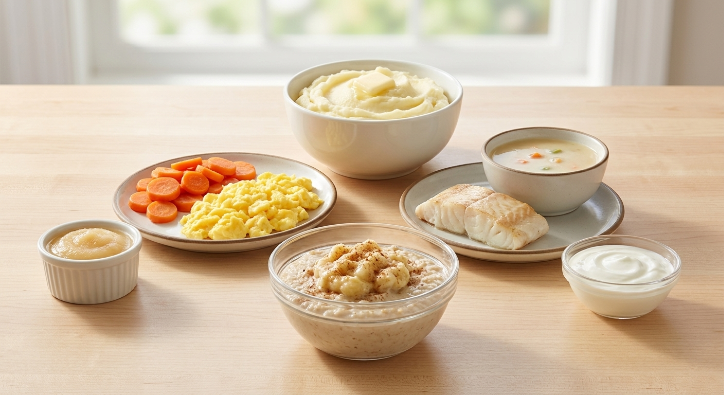
Soft egg and avocado bowl
Use:
- 2 soft scrambled eggs
- ½ ripe avocado
- ¼ cup cottage cheese
- Black pepper, if tolerated
Mash the avocado and serve it alongside the eggs. This meal provides protein and requires little chewing.
Banana yogurt oatmeal
Use:
- ½ cup oats
- 1 cup milk or fortified soy milk
- ½ mashed banana
- ½ cup plain Greek yogurt
Cook the oats until very soft. Allow them to cool slightly before mixing in the yogurt and banana.
Avoid granola, whole nuts, coconut, or hard toppings when these textures are restricted.
Getting Enough Nutrition
A soft diet can become nutritionally limited if it relies mainly on potatoes, gelatin, ice cream, and refined bread.
Include protein at each meal
Suitable protein sources may include:
- Eggs
- Yogurt
- Cottage cheese
- Tender fish
- Ground meat
- Tofu
- Mashed beans
- Smooth nut butter
Anyone with kidney disease or another medical reason to restrict protein should follow their prescribed plan.
Add calories when intake is low
A doctor or dietitian may recommend:
- Olive oil
- Avocado
- Smooth nut butter
- Whole-milk yogurt
- Powdered milk
- Appropriate nutrition drinks
These additions are not suitable for everyone. Diabetes, kidney disease, heart failure, and digestive disorders may require different choices.
Consider fiber carefully
Some soft foods, including bananas, oatmeal, cooked vegetables, and mashed beans, provide fiber. However, a GI soft diet may intentionally limit fiber.
Do not add high-fiber foods against your surgeon’s or gastroenterologist’s instructions. If fiber is allowed, increase it gradually and drink adequate fluid.
Maintain hydration
Water, milk, broth, and other approved beverages support hydration. People with kidney or heart conditions may need fluid limits.
Those with dysphagia may require thickened liquids. Never change prescribed liquid thickness without professional guidance.
Special Instructions After Wisdom Tooth Removal
How long you need soft foods depends on the extraction, healing, and your oral surgeon’s advice. Many people start with very soft, cool foods and gradually add more texture as pain and swelling improve.
During early recovery:
- Avoid straws unless your dentist permits them.
- Do not eat chips, popcorn, nuts, or seeds.
- Avoid food that can lodge in the socket.
- Keep meals cool or lukewarm initially.
- Chew away from the treatment area.
- Avoid smoking and tobacco.
- Clean your mouth exactly as instructed.
Do not use a universal online timeline to override your dentist’s advice.
Contact the dental office for worsening pain, uncontrolled bleeding, fever, pus, increasing swelling, or another symptom listed in your discharge instructions.
Swallowing Safety: When Soft Food Is Not Enough
Dysphagia requires medical evaluation. According to MedlinePlus, untreated swallowing difficulty may contribute to choking, dehydration, malnutrition, or aspiration.
Aspiration happens when food or liquid enters the airway. It can occur without obvious coughing, sometimes called silent aspiration.
Contact a healthcare professional if you notice:
- Coughing or choking during meals
- A wet or gurgling voice after swallowing
- Food feeling stuck
- Pain when swallowing
- Drooling
- Food remaining in the mouth
- Repeated throat clearing
- Unexplained weight loss
- Recurrent chest infections
- Meals taking much longer than usual
If food blocks the airway and the person cannot breathe, call 911 immediately.
A speech-language pathologist can evaluate swallowing and recommend appropriate food texture, bite size, and liquid thickness.
Possible Disadvantages
A soft diet may become low in nutrients when it continues for too long without proper planning.
Possible concerns include:
- Inadequate protein
- Reduced fiber
- Constipation
- Low calorie intake
- Unintentional weight loss
- Limited food variety
- Vitamin or mineral gaps
- Excess added sugar
- Excess sodium
- Reduced enjoyment of meals
Packaged soups, sauces, cottage cheese, and other prepared foods can contain considerable sodium. Compare Nutrition Facts labels when sodium intake matters.
Speak with a registered dietitian if the diet will continue for several weeks, appetite remains low, or weight begins to decline.
How Long Should You Stay on a Soft Food Diet?
The duration depends on the medical reason.
Someone recovering from uncomplicated dental work may need soft food briefly. Another person recovering from surgery may follow a staged diet for several weeks. Long-term swallowing problems may require ongoing texture modification.
Ask your healthcare professional:
- Which type of soft diet do I need?
- Are bread, rice, oatmeal, and beans allowed?
- How small should food pieces be?
- Do I need thickened drinks?
- When can I add regular foods?
- Which symptoms require medical attention?
- Should I see a registered dietitian?
Advance textures only when your dentist, surgeon, or medical team says it is appropriate.
Frequently Asked Questions
What are the best foods for a soft food diet?
Eggs, yogurt, tender fish, moist ground meat, tofu, mashed potatoes, oatmeal, cooked vegetables, bananas, and applesauce are common choices.
How long should I eat soft foods after wisdom tooth removal?
The timeline varies with the procedure and healing. Follow your dentist’s instructions and add firmer foods only when chewing is comfortable and the treatment area is healing properly.
Can I eat bread on a soft diet?
Soft, well-moistened bread may fit some plans. Dry toast, crusty bread, and sticky bread may not be suitable, particularly for swallowing problems.
Can I eat rice on a soft food diet?
Tender rice may fit a general dental or mechanical soft diet. Loose grains may be difficult for some people with dysphagia, so follow the prescribed texture.
Is a soft diet the same as a puréed diet?
No. Soft food may still require chewing. Puréed food should have a smooth, uniform consistency without lumps.
Are scrambled eggs a soft food?
Yes. Soft scrambled eggs require little chewing and provide protein. Avoid cooking them until dry or rubbery.
How can I get enough protein?
Include eggs, Greek yogurt, cottage cheese, fish, tofu, mashed beans, smooth nut butter, or moist ground meat when allowed.
Can a person with swallowing problems follow this food list?
Not without professional guidance. Dysphagia diets require individualized decisions about particle size, moisture, food texture, and liquid thickness.
Conclusion
A soft food diet includes tender, moist foods that are easier to chew. Eggs, yogurt, tender fish, mashed vegetables, soft grains, cooked fruit, tofu, and moist ground meat can help create balanced meals.
However, dental, GI, puréed, bariatric, and dysphagia diets are not interchangeable. Follow the instructions provided by your dentist, doctor, surgeon, dietitian, or speech-language pathologist.
Seek medical help for persistent swallowing difficulty, repeated choking, dehydration, unintended weight loss, or worsening recovery symptoms.
Sources and Medical References
This article was developed using guidance from:
- MedlinePlus, U.S. National Library of Medicine
- Cleveland Clinic
- Memorial Sloan Kettering Cancer Center
- American Speech-Language-Hearing Association
- USDA MyPlate
Do not add “medically reviewed” to the page unless a qualified professional has actually reviewed and approved the final article.
Read more :Systolic vs Diastolic Blood Pressure: Meaning, Ranges, and Health Risks