
| Topic | Quick Information |
|---|---|
| Main goal | Support a healthier gut environment |
| Key nutrients | Fiber, polyphenols, omega-3 fats |
| Important food groups | Vegetables, legumes, whole grains, berries |
| Gut-supporting foods | Yogurt, kefir, fermented vegetables |
| Best overall pattern | Mediterranean-style eating |
| Main principle | Food diversity matters more than one superfood |
| Foods often limited | Highly processed foods and excess added sugar |
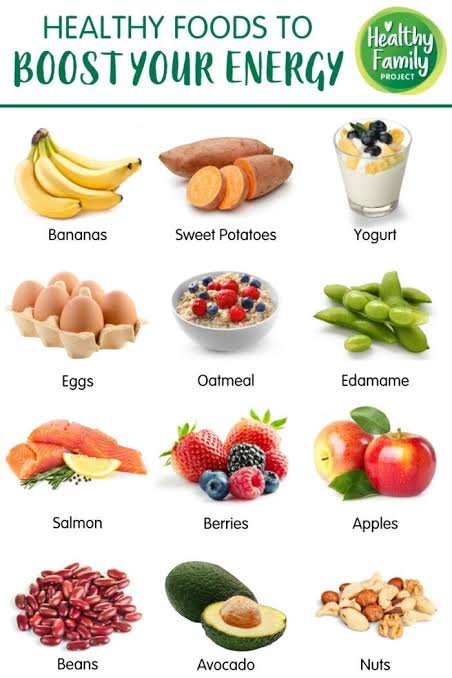
Quick takeaway: The best anti-inflammatory diet for gut health is usually a pattern, not a single food. Plants, fiber, fermented foods, and healthy fats work together.
Why Food Choices Affect Gut Inflammation
The gut contains trillions of microorganisms. Together, they form the gut microbiome. Food helps shape which microorganisms grow and what compounds they produce.
Research involving more than 1,400 people found meaningful links between long-term dietary patterns and gut microbial activity. Plant foods and fish were associated with microbes and pathways linked with beneficial short-chain fatty acid production. More processed and animal-heavy dietary patterns showed different microbial associations.
This creates an important perspective. Gut health is less about chasing individual ingredients. It is more about consistently feeding beneficial microbes.
Harvard Health similarly emphasizes that anti-inflammatory eating patterns generally include vegetables, fruits, whole grains, legumes, nuts, seeds, healthy oils, and fish.
The Best Anti-Inflammatory Foods for Gut Health
1. Legumes: Beans, Lentils, and Chickpeas
Legumes are among the most useful foods for gut health. They provide substantial amounts of dietary fiber and several beneficial plant compounds.
Fiber reaches the large intestine, where gut microorganisms can use certain fibers as fuel. This relationship is one reason fiber-rich dietary patterns are closely connected with microbiome research.
Good choices include:
- Lentils
- Chickpeas
- Kidney beans
- Black beans
- Peas
Harvard identifies legumes as important sources of fiber within anti-inflammatory eating patterns.
2. Berries and Other Colorful Fruits
Blueberries, blackberries, cherries, and other deeply colored fruits contain polyphenols. These natural plant compounds are being studied for their relationship with inflammation and health.
Colorful fruits also add dietary variety. That matters because different plant foods provide different fibers and bioactive compounds.
A practical strategy is simple: rotate your fruit choices. Avoid eating only one “healthy” fruit every day.
Harvard lists berries and other colorful fruits among foods containing beneficial polyphenols.
3. Leafy Greens and Cruciferous Vegetables
Vegetables provide fiber while also supplying vitamins and plant chemicals. Leafy greens can include spinach, kale, arugula, and collard greens.
Cruciferous vegetables include:
- Broccoli
- Cabbage
- Brussels sprouts
- Bok choy
- Cauliflower
The overlooked advantage is variety across the week. Different vegetables provide different compounds. A mixed vegetable intake is usually more useful than relying on one vegetable repeatedly.
Vegetables are a central part of Mediterranean-style and anti-inflammatory dietary patterns.
4. Fermented Foods and Gut Microbiome Diversity
Fermented foods offer a different angle from ordinary high-fiber foods. Instead of mainly feeding existing gut microbes, some fermented foods contain living microorganisms.
Examples include:
- Yogurt with live cultures
- Kefir
- Kimchi
- Fermented vegetables
- Some traditionally fermented pickles
A randomized study of healthy adults found that a high-fermented-food diet increased microbiota diversity and was associated with decreases in several inflammatory markers.
However, fermented foods are not identical. Processing, storage, and pasteurization can affect microbial content. The label and preparation method matter.
Original practical insight: Fiber and fermented foods should not be viewed as competitors. They play different roles. One mainly supplies substrates for gut microbes, while fermented foods can introduce food-associated microorganisms.
Harvard also notes that whole foods should remain the primary source of dietary fiber rather than relying mainly on supplements.
5. Oats, Barley, and Other Whole Grains
Whole grains provide fiber that refined grains often lack. Oats and barley are particularly well-known sources of soluble fiber.
Useful choices include:
- Oats
- Barley
- Brown rice
- Whole-grain wheat
- Bran
Replacing refined carbohydrates with whole-grain alternatives can improve the overall quality of a dietary pattern.
Harvard specifically includes oats, bran, and barley among fiber-rich foods used in anti-inflammatory eating approaches.
6. Omega-3 Rich Fish
Fatty fish provides omega-3 fatty acids. Common examples include salmon, sardines, mackerel, and some types of tuna.
Omega-3 fats are often included in discussions about inflammation. Fish also offers a useful contrast to heavily processed protein choices.
Harvard includes fatty fish among important foods within Mediterranean-style anti-inflammatory eating patterns.
For people who rarely eat fish, walnuts, chia seeds, and flaxseeds can also contribute plant-based omega-3 fats.
7. Nuts, Seeds, and Extra-Virgin Olive Oil
Nuts and seeds provide unsaturated fats, fiber, and various micronutrients. Olive oil is another major feature of Mediterranean-style eating.
Good options include:
- Walnuts
- Almonds
- Chia seeds
- Flaxseeds
- Pumpkin seeds
- Olive oil
These foods work best as replacements. For example, replacing highly processed snacks with nuts is usually more meaningful than simply adding extra calories to an already poor diet.
Harvard identifies nuts, seeds, and unsaturated plant oils as useful components of an anti-inflammatory dietary pattern.
A Simple Gut-Friendly Food Combination
Instead of searching for one perfect food, build meals using several categories.
| Meal Component | Examples | Potential Role |
|---|---|---|
| Fiber base | Lentils, oats, beans | Supports gut microbial activity |
| Colorful plants | Berries, greens, vegetables | Provides polyphenols and nutrients |
| Healthy fats | Olive oil, walnuts, seeds | Adds unsaturated fats |
| Fermented foods | Yogurt, kefir, kimchi | May support microbial diversity |
| Omega-3 source | Sardines, salmon, mackerel | Supports an anti-inflammatory pattern |
This approach also makes meals more realistic. You do not need expensive supplements or rare ingredients.
Foods That May Work Against Gut-Friendly Eating
No single food automatically “causes inflammation” in every person. Individual tolerance varies considerably.
Still, anti-inflammatory eating patterns generally limit frequent consumption of:
- Highly processed snack foods
- Sugar-heavy drinks
- Refined carbohydrates
- Processed meats
- Deep-fried foods
Harvard notes that foods high in refined carbohydrates, added sugars, and heavily processed ingredients are commonly limited in anti-inflammatory dietary approaches.
The bigger issue is usually the overall pattern. Occasional treats are different from a daily diet dominated by processed foods.
The Most Important Rule: Increase Plant Diversity
Here is the deeper lesson from gut-health research: diversity may matter as much as quantity.
Eating only “healthy” chicken and rice every day can still create a narrow dietary pattern. A broader rotation of beans, grains, vegetables, fruits, nuts, seeds, and fermented foods introduces more nutritional variety.
Large observational research has found associations between dietary patterns and the functional characteristics of gut microbes. Plant foods and fish showed associations different from more processed dietary patterns.
That makes variety a practical strategy. Rotate foods rather than searching endlessly for the next superfood.
Important Medical Note
Diet can support general gut health, but it cannot replace medical treatment.
People with conditions such as inflammatory bowel disease, celiac disease, severe food allergies, or medically diagnosed digestive disorders may need individualized dietary guidance. Suddenly increasing fiber can also cause gas or discomfort in some people.
If you have persistent abdominal pain, bleeding, unexplained weight loss, or ongoing digestive symptoms, seek advice from a qualified healthcare professional.
Frequently Asked Questions
What is the number one anti-inflammatory food for gut health?
There is no scientifically established number one food. A combination of fiber-rich plants, fermented foods, healthy fats, and omega-3 sources is more meaningful. Research generally supports overall dietary patterns rather than relying on one “superfood.”
Are fermented foods good for gut inflammation?
Some research suggests fermented foods may increase microbiome diversity and influence inflammatory markers. However, responses can vary between individuals. Not every fermented product contains the same microorganisms or produces identical effects.
Which foods contain the most gut-friendly fiber?
Legumes, vegetables, fruits, oats, barley, bran, and other whole grains are important fiber sources. Increasing fiber gradually may be easier for people who currently eat little fiber.
Is the Mediterranean diet good for gut health?
Mediterranean-style eating emphasizes vegetables, fruits, legumes, whole grains, nuts, healthy oils, and fish. This pattern is widely discussed in research related to inflammation and gut microbial health.
Should I take supplements instead of eating these foods?
Whole foods provide fiber and other compounds in a natural food matrix. Supplements may be appropriate in specific circumstances, but they generally should not automatically replace a varied diet. Harvard specifically recommends prioritizing whole foods as primary fiber sources.
Final Thoughts
The best anti-inflammatory foods for gut health are not rare. They are usually familiar, affordable foods eaten consistently.
Eat more plants. Add fiber gradually. Include fermented foods when tolerated. Choose healthy fats. Rotate your food choices.
That combination is more evidence-based than chasing one fashionable superfood.