
If your systolic blood pressure is temporarily high, there is no reliable natural method that can safely guarantee an instant drop. However, you can often improve a reading by stopping activity, sitting quietly for 5 minutes, breathing slowly, avoiding caffeine, nicotine, and exercise, and repeating the measurement correctly. Long-term changes such as eating less sodium, choosing more potassium-rich foods, exercising regularly, managing stress, maintaining a healthy weight, and taking prescribed medicine can help lower systolic blood pressure over time. [Source: CDC; Mayo Clinic; Harvard Health]
Quick Comparison: What to Do at Home
| Situation | What to do |
|---|---|
| One mildly high reading | Rest quietly and measure again |
| Stress or anxiety may be raising the reading | Use slow, comfortable breathing |
| Recent caffeine, smoking, or exercise | Wait before measuring again |
| Repeated readings of 140+ systolic | Discuss your readings with a healthcare professional |
| Reading above 180/120 mm Hg | Recheck after at least 1 minute and seek immediate medical guidance |
| Above 180/120 with concerning symptoms | Seek emergency medical care immediately |
What Does Systolic Blood Pressure Mean?
Systolic blood pressure is the top number in a blood pressure reading. It represents the pressure inside your arteries when your heart contracts.
For example, in a reading of 145/85 mm Hg, 145 is the systolic pressure and 85 is the diastolic pressure.
According to the American Heart Association, systolic pressure below 120 mm Hg is considered normal. A systolic reading of 130–139 mm Hg falls into stage 1 hypertension, while 140 mm Hg or higher falls into stage 2 hypertension under its adult categories.
One isolated high measurement does not necessarily mean you have chronic hypertension. Blood pressure changes throughout the day, and factors such as stress, recent exercise, caffeine, smoking, and incorrect positioning can affect a reading. [Source: CDC]
How to Lower Systolic Blood Pressure Quickly at Home
1. Stop and Sit Quietly
If you have just walked, climbed stairs, exercised, or experienced an upsetting situation, stop and sit somewhere comfortable.
Keep your back supported, place both feet flat on the floor, and rest your arm on a table around chest height.
Remain quiet for at least 5 minutes before taking another measurement. Do not talk while the monitor is operating. [Source: CDC]
This step may not actually treat hypertension, but it can help remove temporary factors that make a blood pressure reading higher than your resting pressure.
2. Try Slow, Controlled Breathing
Stress can temporarily increase blood pressure. Slow breathing may help activate the body’s relaxation response.
Harvard Health notes that slow breathing, generally around 6–10 breaths per minute, can help reduce blood pressure in some people when practiced regularly.
Try this simple approach:
- Sit comfortably.
- Relax your shoulders.
- Breathe in slowly without forcing the breath.
- Exhale gently and slowly.
- Continue for several minutes.
Do not hold your breath or breathe so deeply that you become dizzy.
The important distinction is that breathing exercises are not an emergency treatment for dangerously high blood pressure.
3. Recheck Your Blood Pressure Correctly
A surprisingly common reason for a high home reading is measurement technique.
Before repeating the measurement:
- Empty your bladder.
- Sit quietly for at least five minutes.
- Keep both feet flat on the floor.
- Keep your legs uncrossed.
- Place the cuff on bare skin.
- Support your arm at chest level.
- Avoid talking.
- Take at least two readings, approximately 1–2 minutes apart. [Source: CDC]
If your second reading is considerably lower, record both numbers rather than assuming the first measurement represents your usual blood pressure.
Can Drinking Water Lower Systolic Blood Pressure?
Drinking water is important for normal hydration, but water is not a proven instant treatment for high blood pressure.
If dehydration contributes to an abnormal reading, correcting dehydration may help your body function normally. However, drinking large amounts of water rapidly is not a safe strategy for trying to force your blood pressure down.
If you already have heart, kidney, or other medical conditions that affect fluid balance, follow your clinician’s advice about how much fluid you should drink.
Foods That May Help Lower Blood Pressure Naturally
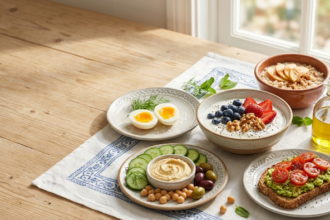
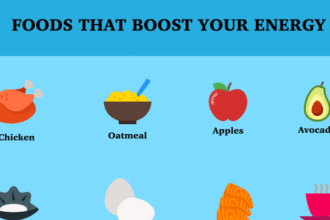
Dietary changes generally work over days, weeks, and months, rather than providing an immediate fix for a high reading.
Reduce Sodium
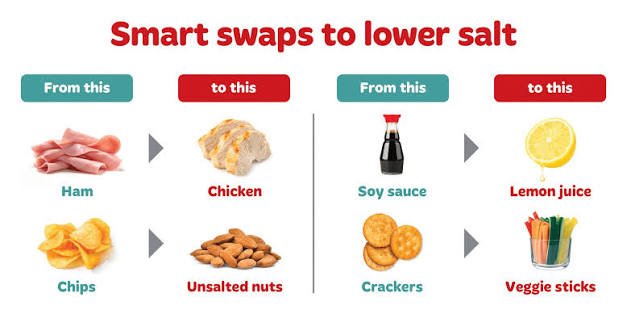
Excess sodium can contribute to increased blood volume and higher blood pressure in some people. Mayo Clinic recommends reducing sodium intake and notes that processed meats, canned foods, commercial soups, frozen meals, and some breads can contain substantial amounts of sodium. [Source: Mayo Clinic]
Instead of trying to find one “magic” food, focus on reducing salty processed foods and checking nutrition labels.
Choose Potassium-Rich Foods
Foods containing potassium can support healthy blood pressure as part of an appropriate overall diet.
Examples include:
- Bananas
- Sweet potatoes
- Beans
- Leafy green vegetables
- Other fruits and vegetables
Harvard Health notes that potassium-rich foods can help counter some effects of sodium and support blood-vessel function.
However, do not start potassium supplements simply because your blood pressure is high. People with kidney disease or those taking certain medicines may need to limit potassium.
Follow a Heart-Healthy Eating Pattern
Rather than relying on one food, build meals around vegetables, fruits, whole grains, beans, nuts, and other minimally processed foods while limiting excess sodium and highly processed foods.
A consistent heart-healthy dietary pattern is more useful for blood-pressure control than trying to lower one reading with a particular drink or ingredient.
What Not to Do When Blood Pressure Is High
Searching for an instant natural remedy can lead people toward unsafe approaches.
Avoid trying to rapidly lower blood pressure by:
Taking someone else’s medication. Blood-pressure medicines have different effects and doses. Taking medication that was not prescribed for you can cause dangerously low blood pressure or other complications.
Doubling your prescribed dose without instructions. If your medication does not seem to be working, contact your healthcare professional rather than changing the dose yourself.
Using concentrated herbal remedies or supplements. “Natural” does not automatically mean safe, and some supplements can interact with medications or affect blood pressure.
Exercising intensely to force the number down. Exercise is excellent for long-term cardiovascular health, but intense activity is not an appropriate response to a dangerously high blood-pressure reading.
Drinking excessive amounts of water. More water is not necessarily better and can be dangerous in excessive amounts.
When Is High Systolic Blood Pressure an Emergency?
This is the most important part of the answer.
If your blood pressure is higher than 180/120 mm Hg, wait at least one minute and measure it again. If it remains that high, contact a healthcare professional immediately. [Source: American Heart Association]
If the reading remains above 180/120 mm Hg and you have symptoms such as:
- Chest pain
- Shortness of breath
- Back pain
- Numbness or weakness
- Vision changes
- Difficulty speaking
- Other new, severe, or concerning symptoms
treat the situation as a medical emergency and seek emergency medical care immediately. Do not wait for a home remedy to lower the number.
If you are in the United States, the AHA advises calling 911 for a hypertensive emergency. Outside the United States, use your local emergency medical service.
Pregnancy Requires Extra Caution
Blood-pressure thresholds and urgent-care recommendations can differ during pregnancy and after delivery. A pregnant or recently postpartum person with a significantly elevated blood pressure reading or symptoms such as severe headache, vision changes, abdominal pain, chest pain, or shortness of breath should seek urgent medical advice rather than attempting to treat the reading naturally at home. [Source: American Heart Association]
How to Lower Systolic Blood Pressure Naturally Long Term
If your systolic pressure frequently runs high, the goal should not be to repeatedly bring individual readings down. The goal is to control your average blood pressure and reduce cardiovascular risk.
Exercise Regularly
Regular physical activity can lower blood pressure and improve cardiovascular health.
Mayo Clinic recommends at least 150 minutes of moderate aerobic activity per week, or 75 minutes of vigorous activity, or an appropriate combination. [Source: Mayo Clinic]
Examples include walking, cycling, swimming, and other activities you can perform safely and consistently.
Maintain a Healthy Weight
If you have overweight or obesity, losing weight can help improve blood pressure. Mayo Clinic notes that blood pressure can decrease with weight loss, although the response varies between individuals.
Even modest, sustainable changes can be more useful than extreme short-term diets.
Reduce Alcohol
Excessive alcohol consumption can raise blood pressure. Limiting alcohol can therefore form part of a broader blood-pressure management plan. [Source: Mayo Clinic; Harvard Health]
Do Not Smoke
Smoking damages blood vessels and increases cardiovascular risk. Quitting smoking is an important part of protecting your heart and blood vessels, even though it is not an instant method for lowering one blood-pressure reading. [Source: Mayo Clinic]
Get Enough Sleep
Mayo Clinic includes getting 7–9 hours of sleep daily among lifestyle measures that can support blood-pressure management.
Poor sleep, chronic stress, and irregular routines can make healthy blood-pressure management more difficult.
How to Track Your Blood Pressure at Home
Home monitoring can help you and your healthcare professional understand your blood-pressure pattern.
Take measurements consistently rather than checking repeatedly every few minutes. The CDC recommends taking at least two readings one or two minutes apart and keeping a blood-pressure log.
Your record can include:
| Information | Example |
|---|---|
| Date | September 2 |
| Time | 8:00 AM |
| First reading | 146/88 |
| Second reading | 139/84 |
| Pulse | 72 |
| Notes | Rested 5 minutes |
A series of readings provides much more useful information than one isolated measurement.
Expert Clinical/Practical Tips
A practical approach is to verify the number before trying to change the number. An incorrectly positioned cuff, talking during measurement, recent exercise, caffeine, smoking, or anxiety can affect the result. [Source: CDC]
If you get an unexpectedly high reading, sit quietly, use correct positioning, and repeat it. If it repeatedly remains elevated, keep a record and discuss the pattern with a healthcare professional.
For long-term control, prioritize the basics: less sodium, a balanced diet, regular physical activity, healthy weight management, adequate sleep, stress management, avoiding tobacco, and taking prescribed medication as directed. [Source: Mayo Clinic]
Most importantly, do not confuse “natural” with “risk-free.” Severe hypertension can damage the heart, brain, kidneys, eyes, and other organs, so dangerously high readings require appropriate medical evaluation rather than experimentation with home remedies.
Frequently Asked Questions
Can I lower my systolic blood pressure instantly at home naturally?
There is no dependable natural method that guarantees an immediate reduction in systolic blood pressure. If a reading is unexpectedly high, sit quietly for at least five minutes, use correct measurement technique, breathe slowly and comfortably, and repeat the measurement. This may reduce a temporarily elevated reading caused by stress or measurement conditions, but it does not treat chronic hypertension. If your reading is above 180/120 mm Hg, follow urgent-care guidance rather than relying on a home remedy.
Does deep breathing lower blood pressure quickly?
Slow breathing can promote relaxation and may reduce blood pressure for some people. Harvard Health describes slow breathing as roughly six to ten breaths per minute and reports potential blood-pressure benefits from regular practice. However, breathing exercises should be viewed as a supportive technique, not emergency treatment. If blood pressure is dangerously high or accompanied by concerning symptoms, seek medical care instead of waiting for breathing exercises to work.
What foods lower systolic blood pressure naturally?
No single food reliably lowers a high systolic reading immediately. For long-term blood-pressure control, emphasize vegetables, fruits, whole grains, beans, and other minimally processed foods while reducing excess sodium. Potassium-rich foods such as bananas, beans, and sweet potatoes can be useful for many people, but potassium may be unsafe for people with certain kidney problems or medication regimens. Ask a healthcare professional before using potassium supplements.
Is 140 systolic blood pressure dangerous?
A systolic reading of 140 mm Hg or higher falls into stage 2 hypertension according to the American Heart Association’s adult categories, but a single measurement does not establish a diagnosis. Repeat the measurement using proper technique and keep a record of repeated readings. If your systolic pressure frequently reaches or exceeds 140, arrange a discussion with a healthcare professional about evaluation and treatment.
What should I do if my blood pressure is 180/120?
Wait at least one minute and measure it again. If it remains above 180/120 mm Hg, contact a healthcare professional immediately. If you also have chest pain, shortness of breath, back pain, weakness, numbness, vision changes, difficulty speaking, or another new concerning symptom, seek emergency medical care immediately. Do not attempt to manage a possible hypertensive emergency with food, supplements, exercise, or other home remedies.
Key Takeaway
The safest answer to “how to lower systolic blood pressure instantly at home naturally” is that there is no guaranteed instant natural treatment. For a temporarily high reading, rest, correct measurement technique, and calm breathing may help reveal a lower and more accurate resting value. For lasting improvement, focus on sodium reduction, a heart-healthy diet, regular activity, healthy weight management, adequate sleep, stress control, and prescribed treatment when needed. A reading above 180/120 mm Hg, particularly with concerning symptoms, requires urgent medical attention rather than a home remedy.
Medical Disclaimer: This article is for general educational purposes and does not replace individualized medical advice, diagnosis, or treatment from a qualified healthcare professional. Blood-pressure targets and treatment can vary by age, pregnancy status, medical conditions, and medications. If you have a very high reading or concerning symptoms, seek appropriate medical care promptly.