
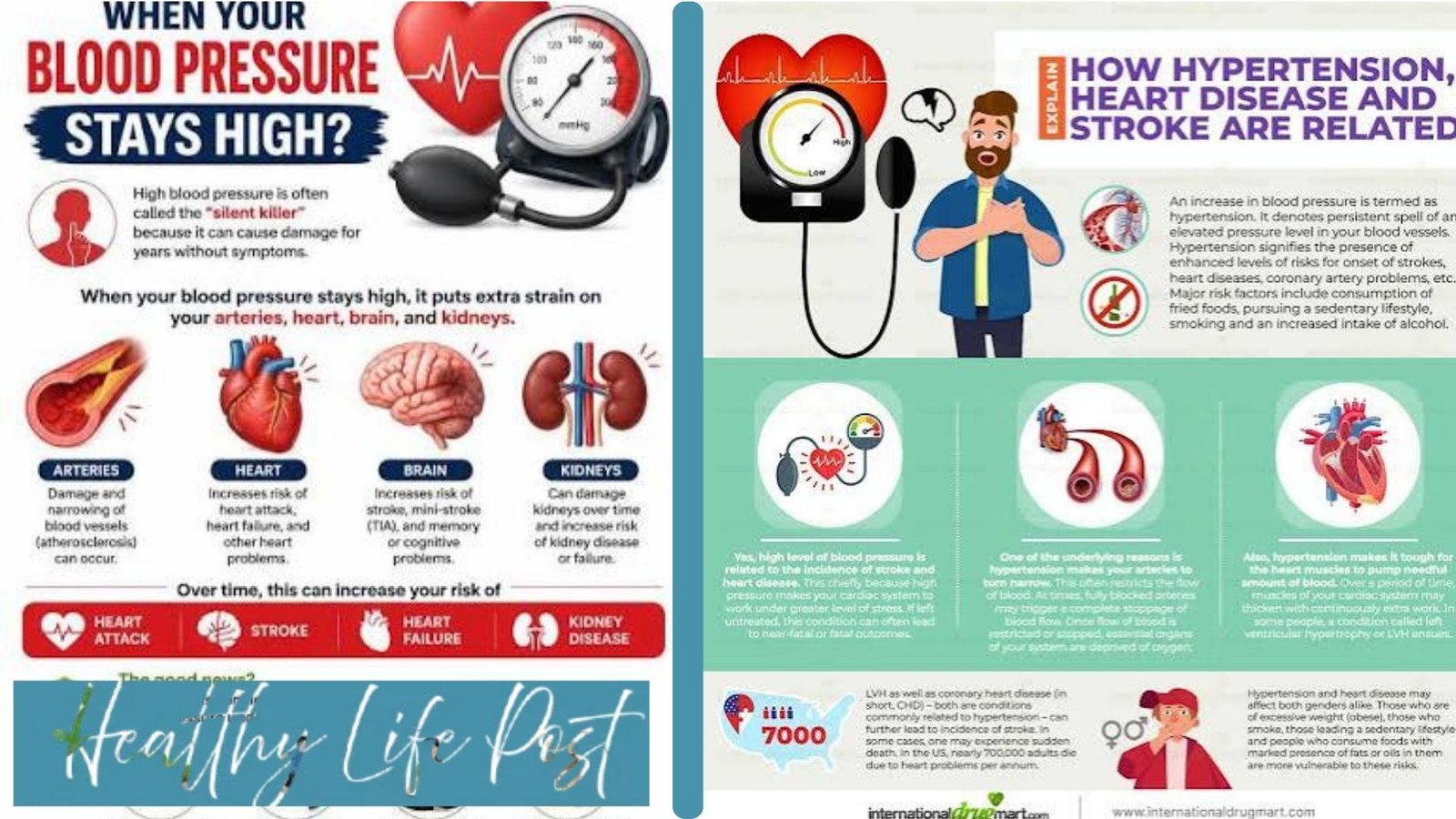

Systolic blood pressure is generally considered more strongly linked to stroke risk, especially in adults over age 50. The systolic number is the top number in a blood pressure reading and measures pressure when the heart contracts. However, high diastolic blood pressure also increases stroke and cardiovascular risk, so neither number should be ignored. Research shows that elevated systolic pressure often has a greater effect on major cardiovascular outcomes, including stroke, while both numbers independently contribute to health risk. [Source: American Heart Association]
Quick Comparison Table
| Blood Pressure Factor | Systolic Pressure | Diastolic Pressure |
|---|---|---|
| Position in reading | Top number | Bottom number |
| Measures pressure | When the heart beats | When the heart rests |
| Stroke risk importance | Often stronger, especially after age 50 | Also independently important |
| Common concern with age | Often rises as arteries stiffen | May become less dominant with aging |
| High reading can indicate hypertension | 130 mm Hg or higher | 80 mm Hg or higher |
| Should it be ignored? | No | No |
Current American Heart Association categories consider 130–139 systolic or 80–89 diastolic to fall within Stage 1 hypertension, while 140 systolic or 90 diastolic and above falls within Stage 2 hypertension.
What Is the Difference Between Systolic and Diastolic Blood Pressure?
A blood pressure reading contains two numbers, such as 120/80 mm Hg.
Systolic Blood Pressure
The systolic pressure is the top number. It measures the pressure against artery walls when the heart contracts and pumps blood throughout the body.
For example, in a reading of 140/80, the systolic pressure is 140 mm Hg.
Diastolic Blood Pressure
The diastolic pressure is the bottom number. It measures arterial pressure while the heart relaxes between beats.
In the same reading of 140/80, the diastolic pressure is 80 mm Hg.
Both measurements provide important information about the health of the cardiovascular system. [Source: Harvard Health]
Why Is High Systolic Blood Pressure More Closely Linked to Stroke?
For many adults, particularly older adults, high systolic blood pressure is the stronger predictor of stroke and cardiovascular disease.
As people age, large arteries can gradually become stiffer. Plaque buildup and changes in blood vessel elasticity can also increase the force needed to move blood through the arteries. This often causes the systolic number to rise. [Source: American Heart Association]
High pressure inside the arteries can damage blood vessel walls over time. This damage may contribute to narrowing, plaque buildup, blood vessel injury, and other changes that increase the likelihood of cardiovascular events.
Research involving large populations has found that both systolic and diastolic hypertension predict adverse cardiovascular outcomes. However, elevated systolic blood pressure generally showed a greater effect on overall cardiovascular outcomes.
Why Age Matters
The importance of systolic pressure becomes particularly noticeable after about age 50.
With aging:
- Arteries may become less flexible.
- Systolic pressure often increases.
- The difference between the top and bottom numbers may widen.
- Isolated systolic hypertension becomes more common.
This is one reason clinicians often pay particularly close attention to the systolic number in middle-aged and older adults. [Source: American Heart Association]
Can High Diastolic Blood Pressure Cause a Stroke?
Yes. High diastolic blood pressure can also increase stroke risk.
It would be incorrect to say that only systolic blood pressure matters. Large studies have found that both elevated systolic and elevated diastolic blood pressure independently predict harmful cardiovascular outcomes.
A persistently high diastolic number means the arteries remain under increased pressure even while the heart relaxes between beats.
For example, a person may have a reading such as:
118/95 mm Hg
The systolic number is below 120, but the diastolic number is high. This should not be dismissed as a normal blood pressure reading.
According to current blood pressure categories, either an elevated systolic or elevated diastolic number can indicate hypertension.
Isolated Systolic Hypertension and Stroke Risk
Isolated systolic hypertension occurs when the systolic number is elevated while the diastolic number remains below the traditional hypertension threshold.
For example:
150/78 mm Hg
In this situation, the top number is high while the bottom number is comparatively normal.
This pattern becomes increasingly common with age and deserves medical attention. Studies and clinical guidance indicate that high systolic pressure is strongly associated with cardiovascular events, including stroke. [Source: Harvard Health]
The key point is simple: a normal diastolic number does not cancel out a high systolic number.
Isolated Diastolic Hypertension: Should You Be Concerned?
Yes. Isolated diastolic hypertension should also be taken seriously.
This occurs when the diastolic number is elevated while systolic pressure is not.
For example:
118/88 mm Hg
The top number may appear healthy, but the bottom number is elevated.
Research has shown that diastolic hypertension can independently contribute to cardiovascular risk. Therefore, people should avoid focusing exclusively on the top number.
The relative importance of systolic and diastolic pressure can also vary depending on factors such as:
- Age
- Overall cardiovascular health
- Existing hypertension
- Diabetes
- Kidney disease
- Smoking
- Cholesterol levels
- Previous stroke or transient ischemic attack
This is why a healthcare professional evaluates the entire blood pressure pattern and overall risk profile, rather than relying on one number alone.
Which Blood Pressure Number Matters Most for Stroke Risk?
If the question is strictly “Is systolic or diastolic more dangerous for stroke risk?”, the most accurate general answer is:
High systolic blood pressure is often the stronger predictor of stroke risk, particularly in older adults, but high diastolic blood pressure also independently increases cardiovascular and stroke risk.
Neither number should be ignored.
The American Heart Association notes that systolic blood pressure tells more about cardiovascular risk factors in people over 50, partly because arteries tend to stiffen with age. At the same time, both numbers remain important for diagnosing and managing hypertension.
What Blood Pressure Numbers Increase Stroke Risk?
Blood pressure risk does not suddenly appear at only one exact number. Risk generally increases as blood pressure rises, and long-term uncontrolled hypertension is a major risk factor for stroke. [Source: American Heart Association]
General Adult Blood Pressure Categories
| Category | Systolic | Diastolic |
|---|---|---|
| Normal | Less than 120 | Less than 80 |
| Elevated | 120–129 | Less than 80 |
| Stage 1 Hypertension | 130–139 | 80–89 |
| Stage 2 Hypertension | 140 or higher | 90 or higher |
| Severe elevation | Higher than 180 | and/or higher than 120 |
A diagnosis should not normally be based on a single home reading alone. Blood pressure can temporarily change because of stress, exercise, caffeine, illness, pain, and other factors.
Repeated measurements and proper technique provide a more useful picture of a person’s usual blood pressure.
[Source: American Heart Association]
Why High Blood Pressure Raises Stroke Risk
A stroke can occur when blood flow to part of the brain becomes blocked or when a blood vessel in or around the brain ruptures.
Long-term high blood pressure can damage blood vessels throughout the body, including those that supply the brain.
Over time, uncontrolled hypertension may contribute to:
- Damage to artery walls
- Narrowing of blood vessels
- Atherosclerosis
- Increased strain on the heart
- Damage to small blood vessels in the brain
- Greater risk of ischemic and hemorrhagic stroke
High blood pressure is widely recognized as a leading risk factor for stroke and other cardiovascular conditions. [Source: American Heart Association]
Expert Clinical/Practical Tips
The following practical steps reflect standard principles used in blood pressure monitoring and cardiovascular risk management. They do not replace individualized medical advice.
1. Look at Both Numbers
Do not assume a reading is safe simply because one number is normal.
A reading of 145/75 still has high systolic pressure. Likewise, a reading of 118/92 still has high diastolic pressure.
2. Track Your Blood Pressure Over Time
One isolated reading may not represent your usual blood pressure.
Record measurements at different times according to your clinician’s instructions. A pattern of consistently elevated readings is more meaningful than one unusual result.
3. Use Proper Measurement Technique
For more accurate home readings:
- Sit quietly before measuring.
- Keep your back supported.
- Place both feet flat on the floor.
- Support your arm at heart level.
- Avoid measuring immediately after exercise.
Proper technique can reduce misleading readings. [Source: Harvard Health]
4. Do Not Stop Blood Pressure Medication Without Medical Advice
Blood pressure medication may be prescribed to reduce the risk of stroke and other complications.
Stopping medication suddenly or changing the dose without professional guidance can allow blood pressure to rise again.
5. Focus on Your Overall Stroke Risk
Blood pressure is extremely important, but stroke risk is also affected by other factors.
These may include smoking, diabetes, high cholesterol, obesity, physical inactivity, atrial fibrillation, and previous cardiovascular events.
A complete prevention plan should address the whole risk picture.
How Can You Lower Blood Pressure and Reduce Stroke Risk?
Lifestyle changes can play an important role in blood pressure control. However, people with significant hypertension may also require medication.
Common evidence-based strategies include the following.
Eat More Heart-Healthy Foods
A diet rich in vegetables, fruits, beans, whole grains, nuts, and other minimally processed foods can support cardiovascular health.
Reducing excessive sodium intake may also help some people lower blood pressure. [Source: Harvard Health / American Heart Association]
Stay Physically Active
Regular physical activity can support heart and blood vessel health and may help reduce blood pressure.
The safest type and amount of exercise depends on age, fitness, medical conditions, and current blood pressure levels.
Maintain a Healthy Weight
Excess body weight can increase strain on the cardiovascular system. Gradual, sustainable weight management may improve several stroke risk factors.
Avoid Tobacco
Smoking damages blood vessels and significantly increases cardiovascular risk.
Avoiding tobacco is an important part of stroke prevention.
Take Prescribed Medication Consistently
If lifestyle changes are not enough, medication may be necessary.
Modern hypertension treatment is individualized. Healthcare professionals consider blood pressure levels, age, other health conditions, medication tolerance, and overall cardiovascular risk.
The 2025 AHA/ACC hypertension guideline includes a blood pressure goal of less than 130/80 mm Hg for many patients with a history of ischemic stroke, TIA, or intracerebral hemorrhage to reduce recurrent vascular risk, with treatment tailored to the individual.
When Is High Blood Pressure an Emergency?
Very high blood pressure can require urgent medical evaluation.
According to the American Heart Association, a reading higher than 180 systolic and/or 120 diastolic may represent a severe elevation. If extremely high blood pressure occurs with symptoms such as chest pain, shortness of breath, weakness, numbness, vision changes, or difficulty speaking, emergency medical care is needed.
Possible stroke warning signs should always be treated as an emergency.
Frequently Asked Questions
Is systolic or diastolic more dangerous for stroke?
In general, high systolic blood pressure is more strongly associated with stroke and cardiovascular risk, particularly in adults over 50. However, high diastolic blood pressure also independently increases cardiovascular risk. The safest approach is not to choose one number and ignore the other. Persistent elevation in either number deserves attention and may require lifestyle changes, monitoring, or medical treatment.
Is 140 systolic blood pressure dangerous if diastolic is normal?
A reading such as 140/75 mm Hg should not be considered normal simply because the diastolic number is healthy. A systolic reading of 140 or higher falls within Stage 2 hypertension under current American Heart Association categories. Persistent high systolic pressure can increase cardiovascular and stroke risk and should be discussed with a healthcare professional.
Is high diastolic pressure dangerous?
Yes. Persistently high diastolic pressure can indicate hypertension and is associated with increased cardiovascular risk. Although systolic pressure often receives greater attention for stroke prediction in older adults, research shows that diastolic hypertension independently contributes to adverse cardiovascular outcomes.
What is more important, the top or bottom blood pressure number?
Both numbers matter. The top number, systolic pressure, often has greater importance for cardiovascular and stroke risk as people get older. The bottom number, diastolic pressure, remains clinically important and can independently indicate hypertension. The best approach is to monitor the complete reading rather than focusing on only one number.
Can lowering blood pressure reduce stroke risk?
Controlling high blood pressure is an important part of stroke prevention. Treatment may include lifestyle changes, medication, or both, depending on the individual’s blood pressure and overall health. For people who have already experienced certain types of stroke or TIA, current clinical guidance supports blood pressure management as part of reducing the risk of future vascular events.
Final Verdict: Systolic vs Diastolic for Stroke Risk
Systolic blood pressure is generally the stronger predictor of stroke risk, especially in middle-aged and older adults. This is why doctors often pay close attention to the top number.
But the bottom number still matters.
High diastolic blood pressure can independently increase cardiovascular risk, and a normal systolic reading does not make an elevated diastolic reading harmless.
The most useful rule is simple: do not ignore either number. Persistent blood pressure readings of 130/80 mm Hg or higher should be evaluated in the context of your overall health and cardiovascular risk, while severely elevated readings or possible stroke symptoms require prompt medical attention.
Medical Disclaimer: This article is for general educational purposes only and does not provide medical diagnosis, treatment, or individualized medical advice. Blood pressure targets and treatment decisions vary between individuals. Always consult a qualified healthcare professional regarding persistent abnormal blood pressure readings, medication changes, or concerns about stroke risk. Seek emergency medical care immediately if you experience possible stroke symptoms or other signs of a medical emergency.
Read more :