
A high systolic blood pressure with a normal diastolic blood pressure is often called isolated systolic hypertension (ISH). It means the pressure in your arteries is high when your heart beats, while the pressure between heartbeats remains normal. For example, a reading of 145/75 mm Hg has a high systolic number but a normal diastolic number. This pattern becomes more common with age, especially because arteries can become stiffer. However, it can also be linked with conditions such as obesity, diabetes, thyroid problems, heart valve disease, or other factors. A diagnosis should not be made from one reading alone.
Quick Comparison Table
| Blood Pressure Pattern | Systolic (Top Number) | Diastolic (Bottom Number) | Meaning |
|---|---|---|---|
| Normal | Below 120 | Below 80 | Normal blood pressure |
| Elevated | 120–129 | Below 80 | Higher than normal |
| High systolic with normal diastolic | 130 or higher | Below 80 | Often called isolated systolic hypertension |
| Stage 1 hypertension | 130–139 | Or 80–89 | High blood pressure |
| Stage 2 hypertension | 140 or higher | Or 90 or higher | More significant hypertension |
Current U.S. cardiovascular guidelines classify blood pressure using the higher category when either the systolic or diastolic number is elevated.
What Do Systolic and Diastolic Blood Pressure Numbers Mean?
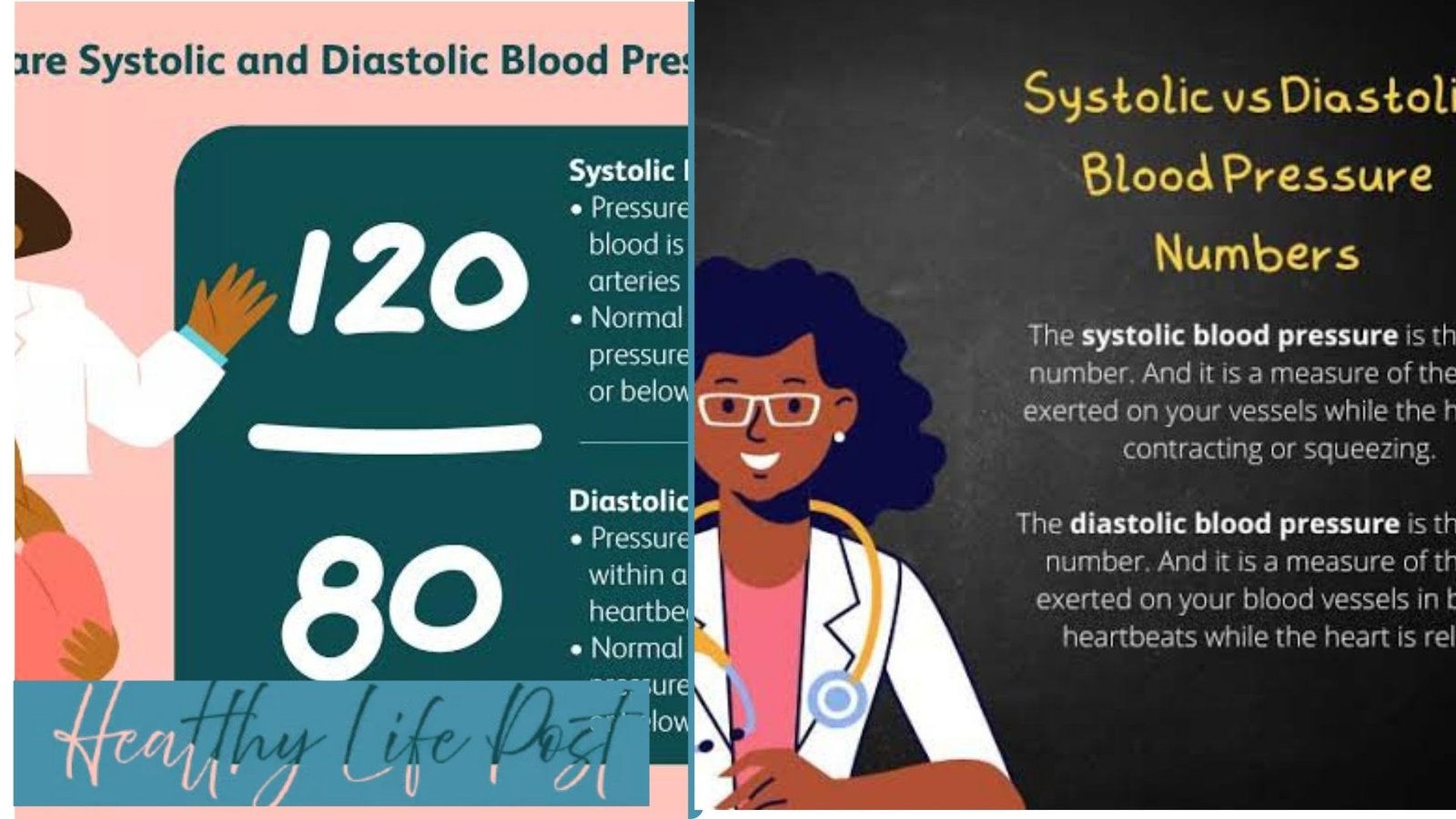
Blood pressure is written as two numbers, such as 120/80 mm Hg.
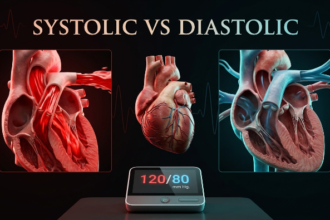
The systolic blood pressure is the top number. It measures the pressure against artery walls when the heart contracts and pumps blood.
The diastolic blood pressure is the bottom number. It measures the pressure in the arteries while the heart relaxes between beats.
This is why the two numbers can behave differently. A person may have a normal diastolic reading while the systolic reading rises.
Why Is Systolic Blood Pressure High but Diastolic Normal?
The most common explanation is that the large arteries have become less flexible.
Healthy arteries expand slightly when the heart pumps blood. As arteries become stiffer, they cannot expand as easily. This can cause the pressure created during each heartbeat to rise, increasing the systolic number.
The diastolic number may remain normal because it reflects the pressure while the heart is resting.
This difference is particularly common in older adults. Research and clinical guidelines note that systolic pressure may continue rising with age while diastolic pressure may level off or decline later in life.
A persistent reading of 130 mm Hg or higher systolic with a diastolic pressure below 80 mm Hg may fit the current definition of isolated systolic hypertension.
Common Causes of High Systolic Blood Pressure With Normal Diastolic
Several factors can contribute to this blood pressure pattern.
Artery Stiffness
Artery stiffness is one of the most common reasons, particularly as people get older.
Over time, arteries can lose some of their natural elasticity. When the heart pumps, stiffer arteries may create greater resistance, causing systolic pressure to rise.
[Source: Mayo Clinic]
Age-Related Changes
Isolated systolic hypertension becomes increasingly common with age.
This does not mean that high blood pressure should simply be accepted as a normal part of aging. Persistently high readings still deserve medical attention because elevated systolic pressure can increase cardiovascular risk.
Excess Body Weight
Carrying excess body weight can increase the workload on the heart and contribute to high blood pressure.
Weight management is one of the lifestyle measures recommended for preventing and treating elevated blood pressure. [Source: CDC/American Heart Association]
Diabetes and Metabolic Problems
Diabetes can increase the risk of high blood pressure and cardiovascular disease.
Blood sugar problems can affect blood vessels and overall cardiovascular health, which is why healthcare professionals often consider diabetes when evaluating high blood pressure. [Source: Mayo Clinic/CDC]
Overactive Thyroid
An overactive thyroid, also called hyperthyroidism, can affect heart rate and circulation and may contribute to isolated systolic hypertension.
If blood pressure changes suddenly or occurs alongside symptoms such as unexplained weight changes, palpitations, or heat intolerance, a healthcare professional may consider underlying conditions during evaluation.
[Source: Mayo Clinic]
Heart Valve Disease
Some heart valve conditions can affect blood flow and blood pressure.
Although heart valve disease is not the cause of most cases, it is one of the medical conditions clinicians may consider when evaluating unusually high systolic readings. [Source: Mayo Clinic]
Lifestyle Factors
Several everyday factors can contribute to higher blood pressure, including:
- A diet high in sodium (salt)
- Physical inactivity
- Excess alcohol intake
- Tobacco use
- Chronic stress
- Poor sleep
- Excess body weight
Not every factor affects only systolic pressure, but these factors can contribute to overall hypertension risk.
Can Stress or Anxiety Cause High Systolic but Normal Diastolic?
Yes, temporary factors can sometimes raise a blood pressure reading.
Stress, anxiety, caffeine, exercise, and other short-term influences may temporarily increase blood pressure. A single unusual reading does not necessarily mean that a person has chronic hypertension.
This is why repeated measurements matter.
If your blood pressure is high during one stressful moment but returns to normal at other times, a healthcare professional may recommend repeated home readings or longer-term monitoring.
Is High Systolic Blood Pressure Dangerous?
Yes. Persistently high systolic blood pressure can increase the risk of serious health problems even when the diastolic number is normal.
Over time, uncontrolled high blood pressure can affect the:
- Heart
- Brain
- Kidneys
- Eyes
- Blood vessels
Potential complications include heart disease, heart attack, stroke and chronic kidney disease.
High blood pressure is often called a silent condition because many people have no obvious symptoms. Measuring your blood pressure is the most reliable way to know whether your readings are consistently high.
What Is Considered a High Systolic Blood Pressure?
Under current U.S. guidelines:
| Systolic Reading | General Classification |
|---|---|
| Below 120 mm Hg | Normal when diastolic is also below 80 |
| 120–129 mm Hg | Elevated when diastolic is below 80 |
| 130–139 mm Hg | Stage 1 hypertension |
| 140 mm Hg or higher | Stage 2 hypertension |
Blood pressure should generally be assessed using repeated, careful measurements rather than one isolated reading.
How Doctors Diagnose High Systolic Blood Pressure
A healthcare professional usually does not diagnose hypertension based on one reading.
Blood pressure can change throughout the day. For this reason, diagnosis generally relies on repeated measurements taken on separate occasions and may include home or ambulatory monitoring.
A clinician may also consider:
Your Medical History
They may ask about family history, medications, smoking, diet, physical activity and other cardiovascular risk factors.
Your Other Health Conditions
Conditions involving the kidneys, heart, arteries or endocrine system can sometimes contribute to secondary hypertension.
Home Blood Pressure Monitoring
Home monitoring can provide useful information about whether blood pressure remains elevated outside the doctor’s office.
This can help distinguish consistently high readings from readings influenced by the clinical setting or temporary stress.
Additional Tests
Depending on the situation, tests may be used to investigate possible contributing conditions or assess cardiovascular risk.
How to Lower High Systolic Blood Pressure Naturally
Lifestyle changes can play an important role in blood pressure management.
Follow a Heart-Healthy Eating Pattern
A heart-healthy diet generally emphasizes:
Fruits, vegetables, whole grains, beans, nuts, lean proteins, and other minimally processed foods.
The DASH eating pattern is specifically recommended in major hypertension guidance.
Reduce Excess Sodium
High sodium intake can contribute to elevated blood pressure.
Reducing heavily salted and highly processed foods may help support healthier blood pressure levels. [Source: American Heart Association/CDC]
Stay Physically Active
Regular physical activity is strongly recommended for preventing and managing high blood pressure.
The exact activity plan should depend on your age, health and physical ability. If you have heart disease or other medical conditions, ask a healthcare professional which exercise routine is appropriate.
Maintain a Healthy Weight
Weight loss may help lower blood pressure for people carrying excess weight.
Even modest improvements in weight, activity and diet can contribute to better cardiovascular health.
Avoid Tobacco
Smoking and tobacco use increase cardiovascular risk.
Quitting tobacco is an important step for protecting overall heart and blood vessel health.
Manage Stress and Sleep
Stress management and adequate sleep are also important parts of an overall heart-health strategy.
Long-term lifestyle habits often matter more than a short-term attempt to lower one blood pressure reading.
Should You Take Medication for High Systolic Blood Pressure?
Medication decisions depend on more than one blood pressure reading.
Healthcare professionals consider factors such as:
- Your average blood pressure
- Age
- Heart disease history
- Previous stroke
- Diabetes
- Kidney disease
- Overall cardiovascular risk
The 2025 American Heart Association guideline recommends lifestyle changes for elevated blood pressure and hypertension, while medication may be recommended depending on the person’s average blood pressure level and overall cardiovascular risk.
Do not start, stop or change blood pressure medication without medical guidance.
This is particularly important in isolated systolic hypertension because lowering the systolic number excessively or allowing the diastolic pressure to fall too low may create additional clinical concerns in some patients.
Expert Clinical/Practical Tips
1. Do Not Judge Your Blood Pressure From One Reading
One high number does not automatically mean chronic hypertension.
Record repeated readings according to the instructions provided with your monitor and discuss the overall pattern with a qualified healthcare professional.
2. Check Your Measurement Technique
Poor measurement technique can produce misleading readings.
Use a properly fitting upper-arm cuff when possible, sit quietly before measurement, and follow the monitor instructions carefully. Clinical guidelines emphasize accurate measurement and repeated readings when evaluating blood pressure.
3. Keep a Blood Pressure Log
Record the:
- Date
- Time
- Systolic number
- Diastolic number
- Pulse
- Relevant factors such as exercise or stress
A pattern over days or weeks can be more useful to your clinician than a single isolated number.
4. Pay Attention to a Widening Gap Between Numbers
The difference between systolic and diastolic pressure is called pulse pressure.
A larger gap can occur with aging and arterial stiffness, but its meaning depends on the individual. A clinician can interpret the pattern alongside your age, symptoms and medical history.
5. Look Beyond Blood Pressure Alone
Blood pressure management works best when it considers the whole cardiovascular picture, including cholesterol, blood sugar, body weight, smoking status, kidney health and physical activity.
When Should You Seek Urgent Medical Care?
A very high blood pressure reading may require urgent medical evaluation, especially if it occurs with symptoms.
Seek emergency medical help if you have a severely elevated reading together with symptoms such as:
- Chest pain
- Severe shortness of breath
- Sudden weakness or numbness
- Difficulty speaking
- Severe confusion
- Sudden vision changes
Very high blood pressure can sometimes be associated with a medical emergency. A healthcare professional should evaluate extremely high readings, particularly when they are around 180/120 mm Hg or higher, according to emergency guidance and clinical context.
Frequently Asked Questions
Why is my systolic blood pressure high but diastolic normal?
The most common reason is isolated systolic hypertension, often related to reduced artery flexibility. As arteries become stiffer, pressure can rise more during each heartbeat while remaining normal between beats. Other contributing factors may include obesity, diabetes, thyroid disease or certain heart conditions. A single reading cannot confirm the condition, so repeated measurements are important.
Is 140/70 considered high blood pressure?
Yes. Under current U.S. blood pressure classifications, a systolic reading of 140 mm Hg or higher falls within the stage 2 hypertension range, even when the diastolic number is normal. However, diagnosis should be based on repeated, properly measured readings rather than one measurement alone.
Can anxiety raise systolic blood pressure?
Stress and anxiety can temporarily raise blood pressure. Caffeine, physical activity and other short-term factors may also affect a reading. If your blood pressure repeatedly returns to a high level, it should not automatically be attributed to anxiety alone. Consistent readings should be discussed with a healthcare professional.
Can isolated systolic hypertension be treated?
Yes. Treatment may include lifestyle changes and, when appropriate, blood pressure medication. The best treatment plan depends on your blood pressure pattern, age, overall cardiovascular risk and other health conditions. Clinicians aim to manage blood pressure while considering both the systolic and diastolic numbers.
What should I do if my top blood pressure number stays high?
First, avoid making decisions based on a single reading. Measure your blood pressure correctly and record readings over time. If your systolic number remains consistently elevated, make an appointment with a healthcare professional. Persistent high blood pressure can increase the risk of heart, brain and kidney problems, even when the diastolic number remains normal.
Final Thoughts
If you have been asking “why is systolic blood pressure high but diastolic normal?”, the answer is often isolated systolic hypertension. Artery stiffness, aging, lifestyle factors and certain underlying medical conditions can all contribute.
A normal diastolic number does not mean that a persistently high systolic number should be ignored. The most important next step is to look at repeated readings, ensure accurate measurement and discuss persistent elevations with a qualified healthcare professional.
Medical Disclaimer: This article is for general educational purposes only and does not provide medical advice, diagnosis or treatment. Blood pressure targets and treatment decisions should be individualized by a qualified healthcare professional. Seek urgent medical care for severe symptoms or dangerously high blood pressure readings.
Read more :Healthy Breakfast for Night Shift Workers: Easy Meals for Better Energy