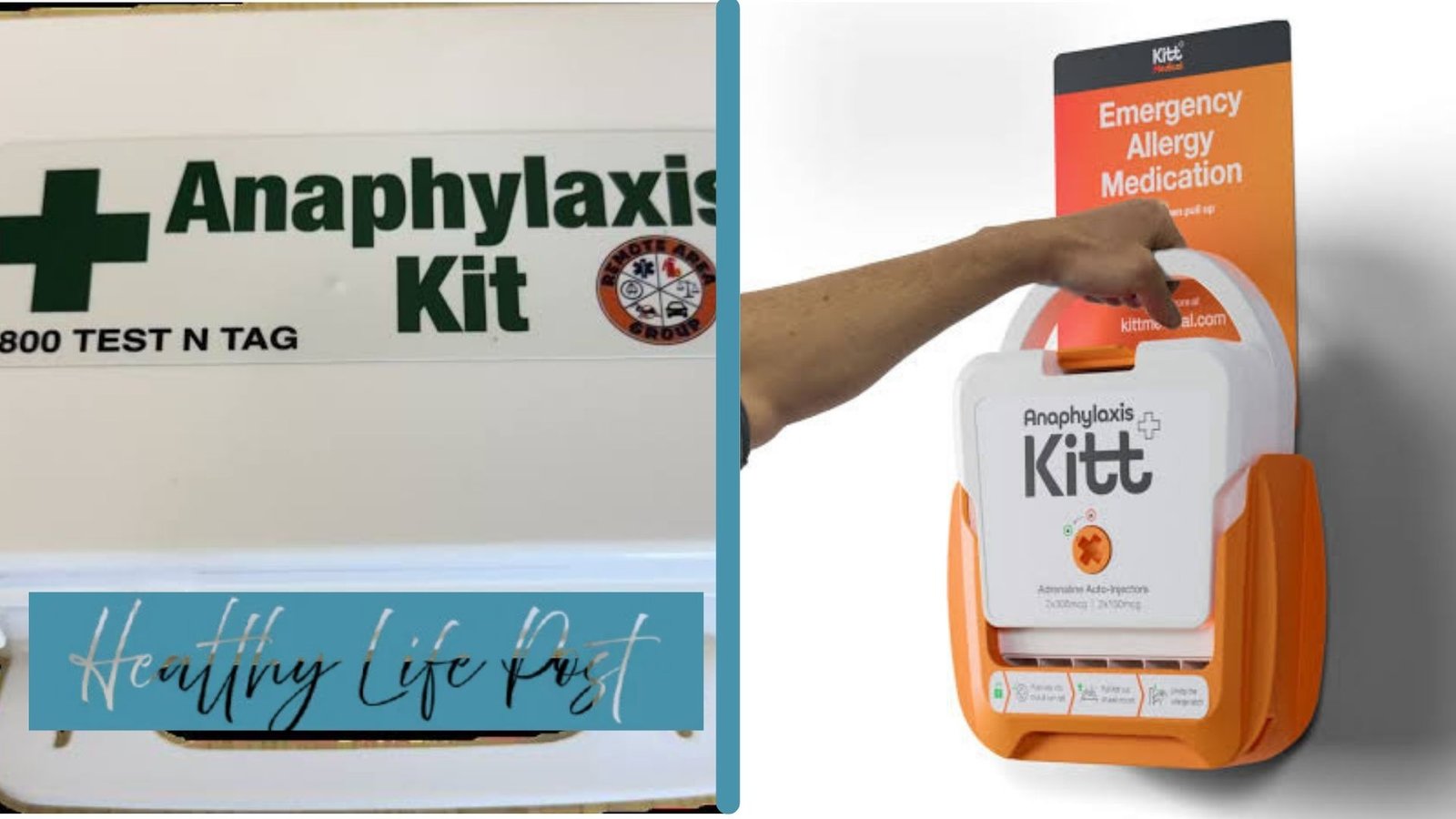

An anaphylaxis kit is designed for severe allergic emergencies.
Its most important item is usually an epinephrine auto-injector.
SEO Title: Anaphylaxis Kit: What to Keep and Why It Matters
Meta Description: Anaphylaxis kit essentials explained, including epinephrine, emergency plans, storage, expiry checks, and safe emergency response steps.
At a Glance
| Detail | Information |
|---|---|
| Subject | Anaphylaxis kit |
| Purpose | Emergency preparation for severe allergic reactions |
| Key medicine | Epinephrine (adrenaline) |
| Main device | Epinephrine auto-injector |
| Common triggers | Foods, medicines, insect stings, latex |
| Emergency priority | Epinephrine first when anaphylaxis is suspected |
| Second dose | May be needed if symptoms persist |
| Medical follow-up | Emergency medical assessment is required |
| Storage | Protect from extreme heat and cold |
| Prescription status | Depends on local healthcare regulations |
Unlike a biography subject, an anaphylaxis kit has no birth date, hometown, marriage, or family history. Those fields are not applicable.
Important: Anaphylaxis can become life-threatening within minutes. If anaphylaxis is suspected, follow the person’s prescribed emergency plan and seek emergency medical care immediately.
What Is an Anaphylaxis Kit?
An anaphylaxis kit is an emergency collection for severe allergies.
Its contents depend on the person’s medical plan.
The central treatment is usually injectable epinephrine.
Epinephrine is also called adrenaline in many countries.
A kit should support rapid treatment, not replace medical care.
Anaphylaxis may involve breathing problems or throat swelling.
It can also cause dizziness, collapse, or severe skin symptoms.
Symptoms can develop very quickly after allergen exposure.
NHS: Anaphylaxis symptoms and emergency treatment
What Should an Anaphylaxis Kit Contain?
There is no single universal kit for everyone.
A person’s allergist may recommend specific emergency supplies.
The exact medicines and doses depend on individual circumstances.
1. Epinephrine Auto-Injector
This is the most important emergency medicine.
It delivers epinephrine into the thigh muscle.
Examples include EpiPen and Jext devices.
Different devices have different administration instructions.
A useful kit may include two prescribed auto-injectors.
Some reactions need another epinephrine dose.
Guidance commonly recommends carrying two devices.
2. Written Anaphylaxis Action Plan
A written plan can reduce confusion during emergencies.
It should identify known allergens and prescribed medication.
It can also include emergency contacts and medical details.
The ACAAI action plan places epinephrine first.
It also provides space for emergency contact information.
ACAAI: Anaphylaxis Action Plan
3. Other Prescribed Medicines
Some people receive additional allergy medicines.
These might include antihistamines or asthma medicines.
However, these medicines do not replace epinephrine.
NIAID guidance identifies epinephrine as first-line treatment.
Antihistamines are considered secondary treatment.
This distinction is one overlooked part of emergency preparation.
Treating severe anaphylaxis with only an antihistamine is unsafe.
Epinephrine should not be delayed when anaphylaxis occurs.
How Does an Anaphylaxis Kit Work?
The kit provides immediate access to emergency treatment.
Speed matters because anaphylaxis can progress rapidly.
The auto-injector allows epinephrine to be administered quickly.
If anaphylaxis is suspected, use the prescribed auto-injector.
Then contact emergency medical services immediately.
The person should generally remain lying down.
If breathing becomes difficult, positioning may need adjustment.
Pregnant patients are generally advised to lie on their left side.
Emergency responders should be told that anaphylaxis is suspected.
How to Prepare an Anaphylaxis Kit Properly
Keeping a kit nearby is only the first step.
People also need to know how devices work.
Training can make emergency use faster and more confident.
Important preparation steps include:
- Check the expiry date regularly.
- Keep prescribed devices immediately accessible.
- Learn the specific device technique.
- Consider carrying two auto-injectors.
- Teach trusted family members the emergency plan.
- Keep the written action plan accessible.
- Use a trainer device when available.
The NHS recommends practicing with a trainer injector.
It also recommends teaching others when to use the injector.
Storage Is an Often-Missed Anaphylaxis Kit Issue
Epinephrine auto-injectors should not face extreme temperatures.
The NHS advises avoiding very hot or cold locations.
That means cars and direct sunlight can be problematic.
The device should also be inspected regularly.
Jext guidance recommends checking the solution’s appearance.
Discolored liquid or visible particles require replacement.
This creates an important practical rule: accessibility matters.
A kit is less useful when stored somewhere difficult to reach.
Emergency supplies should remain available during travel and daily activities.
What Should You Do During Anaphylaxis?
Anaphylaxis requires immediate action.
Do not wait for symptoms to become severe.
A general emergency sequence is:
- Use the prescribed epinephrine auto-injector.
- Call emergency medical services immediately.
- Keep the person lying down when possible.
- Follow the person’s emergency action plan.
- Use a second injector when medically directed.
- Continue monitoring until professional help arrives.
The NHS advises a second injector when symptoms remain unimproved.
Its guidance uses a five-minute interval for this situation.
Device instructions can differ between manufacturers.
For example, EpiPen and Jext have different techniques.
People should learn the specific device they carry.
Why Two Auto-Injectors Can Matter
One injector may not always be enough.
Symptoms can persist after the first dose.
A second dose may therefore become necessary.
The NHS specifically advises carrying two adrenaline auto-injectors.
It also recommends obtaining replacements before expiry.
The deeper point is preparation rather than quantity.
People should understand their prescribed dose and emergency instructions.
They should also know where both devices are kept.
Who May Need an Anaphylaxis Kit?
An anaphylaxis kit is generally relevant to people at risk.
Potential triggers include foods, medicines, and insect stings.
Latex can also trigger severe allergic reactions.
Examples of possible food triggers include:
- Nuts
- Milk
- Eggs
- Fish
- Sesame
Not everyone with an allergy experiences anaphylaxis.
Individual risk should be assessed by a healthcare professional.
People with previous severe reactions may receive emergency prescriptions.
Common Mistakes to Avoid
Several mistakes can make emergency preparation less effective.
Mistake one: relying only on antihistamines.
Antihistamines do not replace epinephrine for anaphylaxis.
Mistake two: keeping expired injectors.
Expiry dates should be checked regularly.
Mistake three: storing injectors in extreme temperatures.
Heat and cold can create storage problems.
Mistake four: never practicing the injection technique.
Trainer devices can help users build familiarity.
Mistake five: assuming improvement ends the emergency.
People treated for anaphylaxis still need medical assessment.
Anaphylaxis Kit: The Most Important Takeaway
An anaphylaxis kit is ultimately about speed and preparedness.
Its centerpiece is usually prescribed epinephrine.
A written action plan can provide additional guidance.
The kit should remain accessible and properly maintained.
Expiry dates, storage conditions, and training all matter.
Most importantly, suspected anaphylaxis requires urgent medical attention.
The exact contents should follow professional medical advice.
Do not create a personal medication plan from general internet information.
For an individual prescription, consult an allergist or qualified clinician.
NIAID: Food-Induced Anaphylaxis Guidelines
Frequently Asked Questions
What is the most important item in an anaphylaxis kit?
For someone prescribed emergency treatment, epinephrine is usually central.
It is the first-line medicine for anaphylaxis.
An auto-injector allows rapid administration outside hospitals.
However, the prescribed device and dose must be followed.
Other medicines should not delay epinephrine during anaphylaxis.
Should an anaphylaxis kit contain two epinephrine injectors?
Many guidelines recommend carrying two auto-injectors.
A second dose may sometimes become necessary.
The NHS specifically advises people at risk to carry two.
Your healthcare professional can confirm your individual requirements.
Always follow your personal emergency action plan.
Can antihistamines replace an epinephrine auto-injector?
No. Antihistamines are not a substitute for epinephrine.
NIAID identifies epinephrine as first-line anaphylaxis treatment.
Antihistamines may help certain secondary symptoms.
They should not delay emergency epinephrine treatment.
How should anaphylaxis auto-injectors be stored?
Auto-injectors should remain accessible and protected from extremes.
The NHS advises avoiding very hot or cold places.
Regular expiry checks are also important.
Some device guidance recommends checking the solution’s appearance.
Follow the storage instructions supplied with your specific device.
Do people still need hospital care after using epinephrine?
Yes. Epinephrine does not eliminate the need for evaluation.
Anaphylaxis can require additional emergency treatment and observation.
NHS guidance recommends hospital treatment after anaphylaxis.
Professional assessment remains important even after symptoms improve.
Medical note: This article provides general educational information. It does not replace an individualized allergy action plan or professional medical advice.
Read more :Healthy Life Post: Your Trusted Guide to Better Health, Nutrition, Fitness & Everyday Wellness