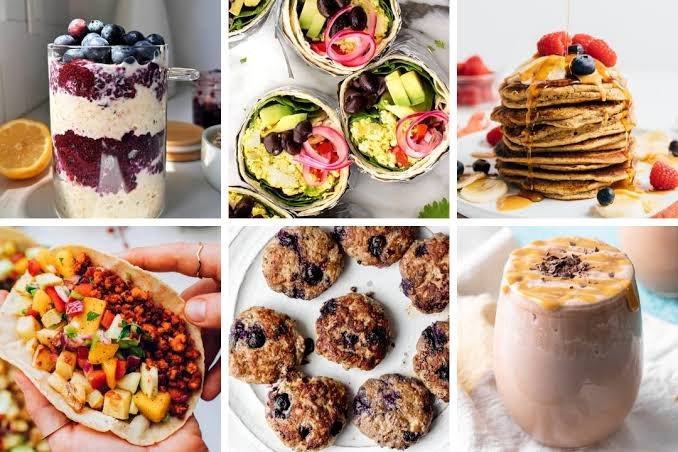

Eggs are convenient, but they are not essential for protein. Greek yogurt, cottage cheese, tofu, beans, soy, seeds, and protein-rich grains can build a filling breakfast without a single egg.
The easiest strategy is simple: choose one protein anchor, then add fiber and flavor. Some research uses 30 grams or more as a higher-protein breakfast benchmark, although individual protein needs vary.
Breakfast at a Glance
| Breakfast idea | Main protein source | Approx. protein* | Best for |
|---|---|---|---|
| Greek yogurt bowl | Greek yogurt | 20–30g | Fast mornings |
| Cottage cheese toast | Cottage cheese | 20–28g | Savory breakfast |
| Protein oatmeal | Milk + protein powder | 25–35g | Cold mornings |
| Tofu scramble | Tofu + beans | 20–30g | Vegan option |
| Overnight oats | Yogurt + milk + seeds | 20–30g | Meal prep |
| Smoothie | Milk + yogurt/protein | 25–40g | On-the-go |
| Lentil breakfast bowl | Lentils + yogurt | 20–25g | High-fiber meal |
| Tempeh wrap | Tempeh | 25–30g | Savory meal |
| Chia-yogurt pudding | Yogurt + chia | 20–25g | No-cook breakfast |
*Protein varies by brand, serving size, and recipe. Check labels when tracking intake.
Why Choose a High-Protein Breakfast Without Eggs?
There are many reasons to skip eggs. Some people dislike their taste. Others avoid them because of allergies, dietary preferences, cost, or simple breakfast fatigue.
Fortunately, protein comes from many food groups. USDA MyPlate lists beans, lentils, nuts, seeds, soy products, seafood, meat, poultry, and eggs among protein foods. Therefore, removing eggs does not remove your ability to build protein-rich meals.
Protein also contributes to muscles, bones, skin, blood, enzymes, and hormones. However, more protein is not automatically better. Your overall daily intake matters more than chasing one huge breakfast.
A classic adult protein reference point is 0.8 grams per kilogram of body weight daily. Individual requirements can differ with age, activity, pregnancy, health conditions, and training goals.
The “Protein Anchor” Method
Instead of searching for complicated egg-free recipes, build breakfast around a protein anchor.
Choose one substantial protein source first. Then add whole grains, fruit, vegetables, nuts, or seeds.
| Protein anchor | Pair it with | Easy breakfast |
|---|---|---|
| Greek yogurt | Berries + oats | Yogurt breakfast bowl |
| Cottage cheese | Whole-grain toast | Savory toast |
| Tofu | Beans + vegetables | Breakfast scramble |
| Tempeh | Tortilla + salsa | Breakfast wrap |
| Protein powder | Oats + milk | Protein oatmeal |
| Lentils | Vegetables + yogurt | Savory breakfast bowl |
| Soy milk | Oats + chia | Overnight oats |
This method solves a common problem. Many breakfasts contain protein, but only in tiny amounts. A spoonful of peanut butter or scattered seeds helps, yet these foods may work better as protein boosters than the entire protein foundation.
1. Greek Yogurt Power Bowl
Greek yogurt makes one of the simplest egg-free breakfasts. It requires no cooking and works with sweet or savory toppings.
Start with plain Greek yogurt. Add berries, oats, chia seeds, and chopped walnuts. Cinnamon or vanilla can add sweetness without requiring much added sugar.
For extra protein, mix in milk powder or protein powder. However, check the nutrition label because yogurt products vary considerably.
Quick combination: Greek yogurt + blueberries + oats + chia + walnuts.
This breakfast also gives you several textures. That matters practically because a thick, spoonable breakfast often feels more substantial than drinking everything through a straw.
2. Cottage Cheese Breakfast Toast
Cottage cheese deserves more attention at breakfast. Its mild flavor works with both fruit and vegetables.
Spread cottage cheese over whole-grain toast. Then add tomatoes, cucumber, black pepper, and herbs. For sweetness, replace vegetables with berries, peaches, or sliced banana.
Two substantial pieces of toast with cottage cheese can become a complete meal. Add fruit alongside it for carbohydrates and fiber.
For people tired of oatmeal and yogurt bowls, this is an easy change.
3. Protein Oatmeal Without Eggs
Plain oatmeal is nutritious, but it is not necessarily high-protein.
Instead, cook oats with dairy or soy milk. Then add Greek yogurt after cooking. Protein powder can also increase the protein content considerably.
Try this combination:
- Rolled oats
- Unsweetened soy or dairy milk
- Greek yogurt
- Chia seeds
- Banana
- Cinnamon
- Peanut or almond butter
Add protein powder after reducing the heat. This helps prevent some powders from developing a gritty texture.
The result combines protein with carbohydrates and fiber rather than relying on protein alone.
4. Tofu Scramble With Beans
Want the experience of a savory cooked breakfast? Tofu is one of the most useful egg replacements.
Crumble firm tofu into a skillet. Add onions, peppers, spinach, mushrooms, garlic, and seasonings. Then mix in black beans for additional protein and fiber.
USDA MyPlate specifically recognizes tofu and other soy products as protein-food choices. It also lists beans, peas, and lentils as protein sources.
Serve the scramble with whole-grain toast or potatoes. Salsa adds flavor without making the recipe complicated.
For a completely plant-based breakfast, this is one of the strongest options.
5. Overnight Oats With a Protein Upgrade
Overnight oats save valuable morning time. However, oats alone may not deliver the protein level someone expects from a “high-protein” meal.
The solution is layering several ingredients.
Mix oats with Greek yogurt and milk. Then add chia seeds. Refrigerate the mixture overnight.
You can also use soy milk for a plant-based version. Add protein powder when higher protein intake fits your needs.
Prepare several jars together. Then change the toppings daily.
Try strawberries one morning and banana the next. Cocoa and peanut butter create another easy variation.
6. High-Protein Breakfast Smoothie
Smoothies can deliver plenty of protein. They can also become surprisingly calorie-dense.
Build the drink deliberately.
Use milk or fortified soy milk as your base. Add Greek yogurt or protein powder. Then include fruit and a small serving of nuts, seeds, or nut butter.
A simple formula is:
Milk + protein source + fruit + fiber source + ice.
For example, blend soy milk, Greek yogurt, frozen berries, oats, and chia.
However, solid meals may influence fullness differently from liquid meals. A review examining breakfast and appetite found that meal composition and food form can affect satiety responses.
Therefore, smoothies are useful for convenience. They do not need to replace every breakfast.
7. Lentil Breakfast Bowl
Lentils are usually associated with lunch and dinner. There is no nutritional rule keeping them away from breakfast.
Warm cooked lentils with spinach, tomatoes, onions, cumin, and black pepper. Add Greek yogurt or cottage cheese if you consume dairy.
For a vegan version, add tofu or tempeh.
Beans, peas, and lentils belong among USDA-recognized protein foods. They also make it easy to create savory breakfasts without eggs.
This option works particularly well for people who dislike sweet breakfasts.
8. Tempeh Breakfast Wrap
Tempeh provides another soy-based alternative.
Pan-cook sliced or crumbled tempeh with peppers and onions. Place it inside a whole-grain tortilla. Add salsa, greens, and avocado.
Beans can increase the meal’s protein and fiber further.
Unlike a traditional breakfast sandwich, the wrap requires no eggs. Moreover, you can prepare the filling ahead and reheat it quickly.
9. Chia and Greek Yogurt Pudding
Traditional chia pudding can be relatively modest in protein. Combining it with Greek yogurt changes the nutritional profile.
Mix chia seeds, Greek yogurt, and milk. Refrigerate overnight until thick.
Top with berries and chopped nuts the next morning.
This option requires almost no morning preparation. It also works well when overnight oats feel too heavy.
For plant-based diets, use soy yogurt with a meaningful protein content. Compare labels because plant-based yogurts differ widely.
10. Breakfast Bean and Cheese Quesadilla
Breakfast does not have to look like cereal.
Spread mashed black or pinto beans over a whole-grain tortilla. Add shredded cheese and vegetables. Fold and cook until crisp.
Beans provide plant protein, while cheese adds more protein. Serve with tomato salsa or fresh fruit.
This is especially useful for meal prep. Assemble the filling beforehand and cook the quesadilla when needed.
11. Smoked Salmon and Cottage Cheese Toast
People who eat fish have another easy egg-free option.
Spread cottage cheese over whole-grain toast. Add smoked salmon, cucumber, dill, and lemon.
USDA includes seafood among its protein-food choices and recommends eating a variety of protein foods.
Smoked salmon can contain substantial sodium. Therefore, portion size and the rest of your day’s sodium intake matter.
Fresh cooked salmon can also work when leftovers are available.
12. Leftovers Can Be Breakfast
Here is the easiest idea people often overlook: breakfast does not require breakfast foods.
Yesterday’s chicken and rice can be breakfast. So can lentil soup, tofu stir-fry, beans, salmon, or a turkey wrap.
This approach makes reaching a protein goal much easier. It also reduces food waste.
The clock does not change the nutritional value of food.
Which Ingredients Give the Most Flexibility?
Instead of memorizing recipes, keep several adaptable foods available.
| Keep at home | Why it helps | Use it in |
|---|---|---|
| Plain Greek yogurt | Convenient protein base | Bowls, oats, smoothies |
| Cottage cheese | Sweet or savory | Toast, bowls |
| Tofu | Plant-based and versatile | Scrambles, wraps |
| Tempeh | Firm, savory protein | Wraps, bowls |
| Beans/lentils | Protein plus fiber | Bowls, quesadillas |
| Soy milk | Easy plant-based addition | Oats, smoothies |
| Protein powder | Convenient protein boost | Oats, smoothies |
| Chia/hemp seeds | Easy topping | Yogurt, oats |
| Whole grains | Add energy and fiber | Toast, oats, wraps |
The important distinction is anchor versus booster. Yogurt, cottage cheese, tofu, tempeh, or legumes can anchor a meal. Nuts and seeds often work better as supporting ingredients.
That small distinction makes egg-free meal planning much easier.
Is 30 Grams of Protein at Breakfast Necessary?
No universal rule says everyone needs exactly 30 grams.
However, researchers often use roughly 30 grams or more when studying higher-protein breakfasts. One review found that solid breakfasts containing at least 30 grams of protein produced stronger appetite and satiety responses than breakfast skipping in the studies examined. The authors also emphasized that more long-term research is needed.
A broader meta-analysis also found greater fullness after higher-protein intake under controlled conditions. Still, researchers warned against overextending those findings to every real-world situation.
So, 30 grams is a useful meal-building benchmark, not a requirement.
Your daily needs, appetite, body size, and activity should guide portions.
Three Ready-to-Build Breakfast Templates
| Goal | Breakfast | Simple structure |
|---|---|---|
| Fastest | Greek yogurt bowl | Yogurt + fruit + oats + seeds |
| Best vegan option | Tofu-bean scramble | Tofu + beans + vegetables + toast |
| Best meal prep | Overnight protein oats | Oats + milk + yogurt + chia |
These templates also solve a common breakfast problem. You do not need twelve special recipes every week.
Instead, rotate three reliable bases and change the toppings.
Common Mistakes With Egg-Free High-Protein Breakfasts
The biggest mistake is assuming anything containing nuts qualifies as high-protein. Nuts and nut butters contribute protein, but portions also contain significant fat and calories. Use them strategically rather than building every meal around large servings.
Another mistake is forgetting the rest of the meal. Protein powder mixed with water may provide protein, but it lacks the variety of a breakfast containing fruit, grains, seeds, vegetables, or other whole foods.
Finally, do not assume “high-protein” automatically means healthier. Added sugars, saturated fat, sodium, calories, fiber, and overall diet quality still matter.
Final Takeaway
A high-protein breakfast without eggs is surprisingly easy.
Start with Greek yogurt, cottage cheese, tofu, tempeh, beans, lentils, soy milk, fish, or another substantial protein source. Then add whole grains, fruit, vegetables, nuts, or seeds.
For convenience, use the protein-anchor rule: choose protein first and build around it.
Eggs are only one breakfast protein. They were never the entire menu.
Nutrition note: Protein requirements differ between individuals. People with kidney disease or other conditions requiring dietary protein management should discuss major protein changes with a qualified healthcare professional.
Read more :3500 Calorie Meal Plan: A Practical High-Calorie Day for Healthy Weight Gain