


An elimination diet meal plan temporarily removes selected foods that may be contributing to repeatable symptoms. It then reintroduces those foods individually to help identify possible triggers.
This seven-day plan offers one sample week of meals without dairy, eggs, wheat, soy, peanuts, tree nuts, fish, shellfish, or sesame. It is not designed to diagnose an allergy, and not every person needs to eliminate every listed food.
Medical disclaimer: This plan provides general nutrition information. Consult a registered dietitian or clinician before starting a restrictive diet, especially if you are pregnant, under 18, underweight, managing a medical condition, or have a history of serious food reactions.
How an Elimination Diet Works
A properly structured elimination diet has three stages:
| Phase | Main purpose | What happens |
|---|---|---|
| Preparation | Establish a baseline | Record meals, symptoms, medications and bowel habits |
| Elimination | Remove reasonable suspects | Avoid selected foods for a limited clinical period |
| Reintroduction | Identify possible triggers | Test foods separately and document reactions |
The purpose is not to avoid numerous foods forever. Instead, the final diet should include every food that can be tolerated safely.
Important Checks Before Starting
An elimination diet can change symptoms, but it cannot diagnose every digestive or immune condition. Medical assessment should come first when symptoms are persistent or severe.
Complete celiac testing before removing gluten
People who may have celiac disease should not stop eating gluten before diagnostic testing. According to the National Institute of Diabetes and Digestive and Kidney Diseases, removing gluten can affect blood tests and intestinal evaluation.
Speak with a clinician before starting a gluten-free plan if you have:
- A close relative with celiac disease
- Persistent diarrhea or bloating
- Unexplained iron-deficiency anemia
- Unintentional weight loss
- An autoimmune condition linked with celiac disease
- Previous abnormal celiac test results
Do not test a serious allergy at home
An elimination diet is not a safe home test for a food that previously caused:
- Breathing difficulty
- Throat tightness
- Facial or tongue swelling
- Fainting
- Widespread hives
- Repetitive vomiting
- A rapid reaction affecting several body systems
An allergist may recommend medically supervised testing or an oral food challenge.
What This Sample Plan Removes
This broad example temporarily excludes the nine major allergens recognized under U.S. labeling law:
- Milk
- Eggs
- Fish
- Crustacean shellfish
- Tree nuts
- Peanuts
- Wheat
- Soybeans
- Sesame
It also avoids complicated processed foods with unclear ingredient lists.
Removing every major allergen is not necessary for all readers. A focused plan that eliminates only one or two reasonable suspects is often easier and nutritionally safer.
Foods Included in the Meal Plan
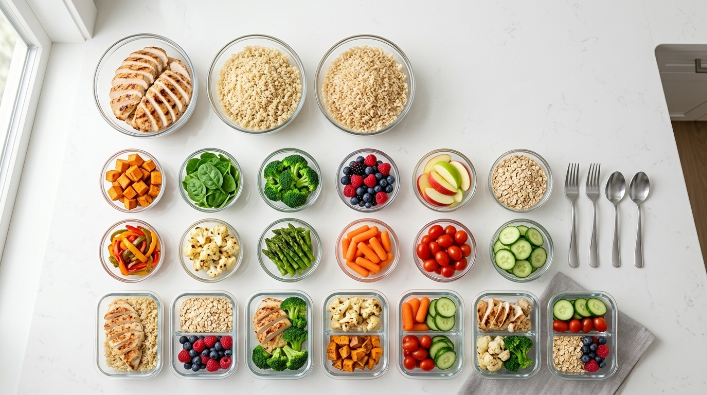
The menu uses simple foods that make ingredient tracking easier.
Protein sources
- Chicken
- Turkey
- Lean beef
- Pork
- Lentils
- Chickpeas
- Black beans
- White beans
- Pumpkin seeds, if tolerated
- Chia and flaxseed, if tolerated
Grains and starches
- Rice
- Quinoa
- Potatoes
- Sweet potatoes
- Corn
- Certified gluten-free oats
- Buckwheat
- Rice noodles
- Plain popcorn
Fruits and vegetables
Most plain fruits and vegetables can remain unless one is a suspected trigger. The plan includes berries, bananas, apples, pears, leafy greens, carrots, broccoli, squash, cucumbers and bell peppers.
This is not a low-FODMAP plan. People following a professionally recommended low-FODMAP diet may need to modify the fruit, vegetable and legume choices.
Complete 7-Day Elimination Diet Meal Plan
Portions should match personal energy needs. Increase the protein, grain, vegetable, or healthy-fat portion if the menu does not provide enough food.
| Day | Breakfast | Lunch | Dinner | Snack |
|---|---|---|---|---|
| Day 1 | Certified gluten-free oatmeal with fortified rice milk, blueberries, chia seeds and cinnamon | Grilled chicken quinoa bowl with spinach, cucumber and carrots | Turkey meatballs without eggs or breadcrumbs, served with brown rice and zucchini | Apple with roasted pumpkin seeds |
| Day 2 | Quinoa breakfast bowl with banana, berries and ground flaxseed | Lentil soup with potatoes, carrots, tomatoes and spinach | Roasted chicken thighs with sweet potato and green beans | Pear with plain popcorn |
| Day 3 | Rice-milk smoothie with berries, banana, spinach and chia seeds | Turkey lettuce wraps with rice, cucumber and shredded carrots, drizzled with olive oil | Beef stir-fry with broccoli, bell peppers and zucchini over rice | Grapes with pumpkin seeds |
| Day 4 | Certified gluten-free oats with strawberries, cinnamon and flaxseed | Leftover lentil and vegetable soup | Herb-roasted pork tenderloin with mashed potatoes and sautéed kale | Banana with unsweetened applesauce |
| Day 5 | Sweet potato hash with ground turkey, spinach and bell peppers | Chickpea and quinoa salad with cucumber, tomato, parsley, lemon and olive oil | Stuffed peppers with ground turkey, rice, tomatoes and herbs | Carrots and cucumber with tahini-free white bean dip |
| Day 6 | Mango, spinach and rice-milk smoothie with chia seeds | Leftover pork with potatoes and green beans | Ground turkey and black bean chili served over quinoa | Baked apple with cinnamon |
| Day 7 | Certified gluten-free oatmeal with banana, blueberries and pumpkin seeds | Leftover turkey and black bean chili | Baked chicken breast with roasted squash and a green salad | Plain air-popped popcorn |
Meal Preparation Notes
Allergen-safe turkey meatballs
Combine ground turkey with cooked rice, chopped herbs, garlic if tolerated, salt and pepper. Form the mixture into small meatballs and bake until the turkey reaches a safe internal temperature.
Do not add eggs, wheat breadcrumbs, cheese, or soy-based seasoning.
Tahini-free white bean dip
Blend cooked white beans with olive oil, lemon juice, water and tolerated herbs. Traditional hummus contains tahini, which comes from sesame. Therefore, standard hummus does not fit this broad elimination example.
Simple salad dressing
Combine:
- Two parts olive oil
- One part lemon juice
- Fresh herbs
- A small amount of salt and pepper
Bottled dressings frequently contain dairy, soy, wheat, eggs, sesame, or vague flavoring ingredients.
Allergen-safe chili
Use ground turkey, black beans, tomatoes and individually labeled spices. Avoid packaged seasoning mixes unless every ingredient fits the elimination plan.
Onions do not need to be removed from a general elimination diet. However, people following a low-FODMAP protocol may need an appropriate substitute.
Seven-Day Shopping List
Proteins
- Chicken breasts or thighs
- Ground turkey
- Lean beef
- Pork tenderloin
- Lentils
- Chickpeas
- Black beans
- White beans
Grains and starches
- Certified gluten-free oats
- Brown or white rice
- Quinoa
- Potatoes
- Sweet potatoes
- Plain popcorn
Produce
- Spinach
- Kale
- Lettuce
- Broccoli
- Bell peppers
- Green beans
- Carrots
- Cucumbers
- Zucchini
- Tomatoes
- Squash
- Bananas
- Apples
- Pears
- Berries
- Grapes
- Lemons
Pantry items
- Olive oil
- Chia seeds
- Ground flaxseed
- Pumpkin seeds
- Fortified rice milk
- Plain herbs and spices
- Allergen-safe broth
Read the complete ingredient list each time. A “gluten-free” label does not necessarily mean that a product is free from milk, eggs, soy, nuts, or sesame.
Preventing Nutritional Deficiencies
A broad elimination diet can reduce calcium, vitamin D, protein, fiber, iron and B-vitamin intake. Adequate replacements are essential.
Calcium and vitamin D
When dairy is removed, look for a tolerated fortified beverage containing calcium and vitamin D. Rice milk can fit this sample plan, but it provides much less protein than dairy milk.
Young children should not use a low-protein plant beverage as their main milk replacement without pediatric guidance.
Protein
Include a tolerated protein source with each main meal. Meat, poultry, lentils and beans provide protein in this sample plan.
People who follow a vegan diet while eliminating soy and nuts need individualized planning. Combining these restrictions can make adequate protein difficult.
Fiber
Use fruits, vegetables, beans, quinoa, brown rice and certified gluten-free oats. Depending mainly on refined gluten-free products can reduce fiber intake.
Calories and healthy fats
Olive oil, avocado and tolerated seeds provide energy and unsaturated fats. Increase portions if hunger, fatigue, or unintended weight loss develops.
How Long Should the Elimination Phase Last?
Seven days of meals do not necessarily represent the entire elimination period. The appropriate duration depends on the suspected trigger, symptoms and clinical protocol.
Some professionally guided elimination programs last approximately two to six weeks. Longer restriction does not automatically produce better information.
Contact a dietitian or clinician if:
- Symptoms do not improve
- New symptoms develop
- The diet becomes increasingly restrictive
- You begin losing weight unintentionally
- You feel anxious about reintroducing food
- Meal planning becomes nutritionally inadequate
Do not continue removing additional foods without a clear reason.
Reintroduction: How to Identify Possible Triggers
Begin reintroduction only after the planned elimination phase ends and symptoms have become stable enough to interpret. A seven-day menu alone does not determine when reintroduction should begin.
Test one food group at a time while keeping the rest of the diet unchanged.
A clinician may recommend the following framework:
- Select one food for testing.
- Eat a small portion if medically appropriate.
- Gradually increase the amount under the chosen protocol.
- Record immediate and delayed symptoms.
- Stop if a concerning reaction develops.
- Return to the baseline diet until symptoms settle.
- Test the next food separately.
Protocols often test a food over more than one exposure. However, the amount and timing should match the suspected condition.
Never reintroduce a food at home if it may cause an immediate or severe allergic reaction.
A Useful Food and Symptom Diary
A symptom diary helps identify repeatable patterns instead of relying on memory.
| Information | Example |
|---|---|
| Food and amount | One cup rice with grilled chicken |
| Time eaten | 12:30 p.m. |
| Symptom | Bloating and cramps |
| Onset | 90 minutes later |
| Severity | 4 out of 10 |
| Duration | Two hours |
| Other factors | Poor sleep and unusual stress |
| Medication | Regular dose taken |
Record normal days as well as symptomatic days. One uncomfortable episode does not establish that a food caused the problem.
Possible Benefits of an Elimination Diet
A carefully planned elimination diet may help identify a repeatable relationship between a food and certain symptoms. It can also improve awareness of ingredients, portions and eating patterns.
Its usefulness depends on:
- Selecting reasonable foods to test
- Keeping other habits stable
- Tracking symptoms consistently
- Completing reintroduction
- Interpreting results cautiously
Clinical support varies by condition. For example, low-FODMAP elimination and reintroduction can help selected people with irritable bowel syndrome. That protocol differs from the broad allergen-free plan presented here.
Disadvantages and Risks
An elimination diet is not harmless simply because it involves food.
Potential disadvantages include:
- Inadequate calorie intake
- Low calcium or vitamin D intake
- Reduced protein or fiber
- Unintended weight loss
- Difficult restaurant meals
- Increased grocery costs
- Food anxiety
- Unnecessary long-term restriction
- Incorrectly blaming food for unrelated symptoms
Children, pregnant people, athletes and people with existing dietary restrictions have greater nutritional needs. Professional supervision becomes particularly valuable for these groups.
Common Mistakes to Avoid
Removing every possible trigger
A broader diet is not always more informative. Removing too many foods creates more nutritional risks and makes reintroduction harder.
Treating foods as universally harmful
A food that causes symptoms for one person may remain nutritious and well tolerated for another. The purpose is to identify individual responses.
Skipping reintroduction
Without reintroduction, you cannot determine which removed food was responsible. Permanent avoidance may become unnecessarily restrictive.
Changing several habits at once
Do not simultaneously begin multiple supplements, stop caffeine, change exercise and remove numerous foods. Too many changes make the results impossible to interpret.
Assuming symptom improvement proves an allergy
Improvement can occur for several reasons. Eating simpler meals, reducing alcohol or improving meal timing may influence symptoms.
Only a qualified professional can diagnose a food allergy.
When to Seek Medical Care
Stop self-directed dietary experimentation and contact a healthcare professional for:
- Blood or black material in stool
- Persistent vomiting
- Severe abdominal pain
- Trouble swallowing
- Unexplained fever
- Unintentional weight loss
- Signs of dehydration
- Poor growth in a child
- Symptoms that repeatedly wake you at night
Call emergency services for breathing difficulty, throat swelling, fainting, or another possible anaphylactic reaction.

Frequently Asked Questions
What can I eat for breakfast?
Suitable options may include certified gluten-free oatmeal, quinoa porridge, sweet potato hash, rice bowls, or smoothies made with tolerated ingredients.
Is this the same as a low-FODMAP diet?
No. A low-FODMAP diet specifically restricts certain fermentable carbohydrates. It has its own elimination, challenge and personalization process.
Can I drink coffee?
Some plans allow plain coffee. Remove it only if it is a reasonable suspected trigger or your clinician recommends doing so.
Can an elimination diet diagnose a food allergy?
No. A symptom diary may reveal a pattern, but an allergist should diagnose a food allergy using appropriate clinical evaluation.
Will this meal plan cause weight loss?
It is not designed for weight loss. Unintended weight loss may indicate inadequate calorie intake and should not be treated as a success.
Can I follow the elimination phase permanently?
Broad restriction should not become permanent without a diagnosed medical reason. Reintroducing tolerated foods creates a safer, more varied diet.
Final Takeaway
An elimination diet meal plan should function as a temporary and structured investigation. This seven-day menu provides a practical sample week, but the full elimination period may last longer under professional guidance.
Remove only reasonable suspected triggers, maintain adequate nutrition and record symptoms carefully. Most importantly, complete celiac testing before eliminating gluten and never challenge a suspected severe allergen at home.
Read more :Soft Food Diet: Complete List of Foods, Meal Plan, and Safety Tips