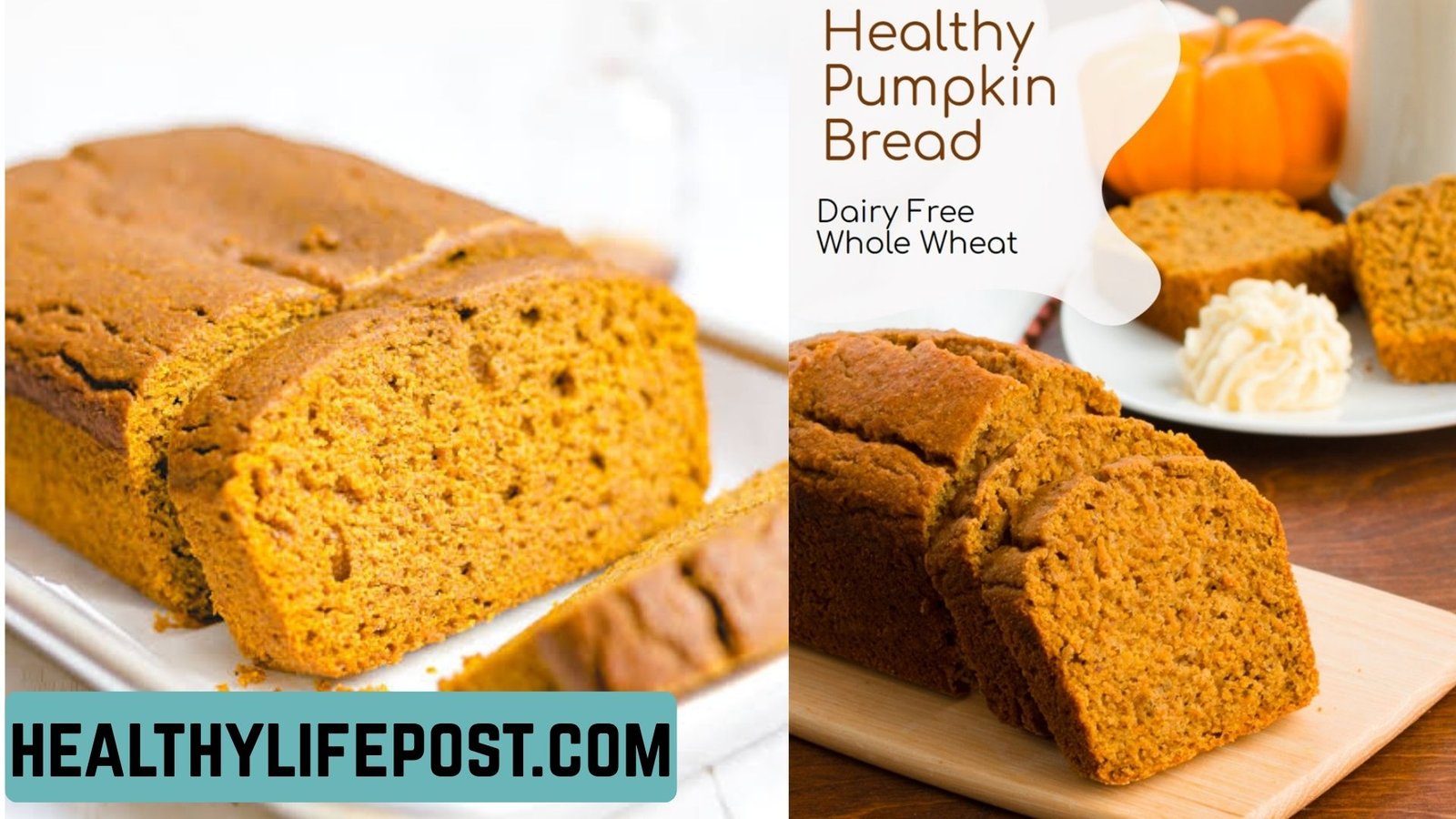

Healthy pumpkin bread can be more than a seasonal treat.
With pumpkin, whole grains, and less refined sugar, it becomes a smarter everyday loaf.
The best part is texture. Pumpkin adds natural moisture without making the bread heavy. This makes it useful for breakfast, snacks, or a simple afternoon treat.
At a Glance
| Detail | Healthy Pumpkin Bread |
|---|---|
| Main Ingredient | Pumpkin puree |
| Best Flour Choice | Whole-wheat flour |
| Sweetener | Maple syrup or honey |
| Texture | Moist and soft |
| Flavor | Pumpkin, cinnamon, ginger, nutmeg |
| Best For | Breakfast and snacks |
| Dairy-Free Option | Coconut oil or vegan butter |
| Gluten-Free Option | Gluten-free all-purpose flour |
| Typical Baking Time | About 50–65 minutes |
| Serving Idea | Plain, with yogurt, or nut butter |
What Makes Healthy Pumpkin Bread Different?
A healthier loaf starts with better ingredient choices.
Whole-wheat flour adds more whole grains than refined flour. Pumpkin also brings moisture and nutrients to the batter.
Many healthy pumpkin bread recipes also reduce refined sugar. Maple syrup or honey can provide sweetness instead. Greek yogurt can add moisture and some protein. These swaps can change the loaf without ruining its texture.
A useful ingredient comparison
| Traditional Choice | Healthier Alternative |
|---|---|
| White flour | Whole-wheat flour |
| Brown sugar | Maple syrup |
| Heavy oil | Pumpkin or yogurt |
| Sweet frosting | Light maple drizzle |
| Large chocolate chunks | Small dark-chocolate pieces |
These are not mandatory swaps. They simply give you more control over the recipe.
Why Pumpkin Works So Well in Bread
Pumpkin is naturally rich in water. That helps baked bread stay moist. It also gives the batter body without requiring large amounts of fat.
USDA information lists pumpkin as a source of vitamin A. It also provides vitamin C and dietary fiber. One cup of pumpkin contains about 30 calories and 1 gram of fiber.
That does not make every pumpkin bread automatically healthy. The complete recipe still matters. Sugar, flour, butter, oil, and toppings can change the final nutrition significantly.
The real advantage is pumpkin’s versatility.
It can contribute moisture, color, flavor, and nutrients. That makes it useful beyond traditional pumpkin pie.
The Ingredient Formula Behind a Better Loaf
You do not need a complicated ingredient list.
A balanced healthy pumpkin bread usually needs several basic components.
Core ingredients include:
- Pumpkin puree
- Whole-wheat or whole-wheat pastry flour
- Eggs
- Maple syrup or honey
- Baking soda
- Cinnamon
- Ginger
- Nutmeg
- Vanilla
- A small amount of fat
Whole-wheat pastry flour can help prevent an overly dense texture. Regular whole-wheat flour may produce a heavier loaf.
Plain pumpkin puree is also important. Do not confuse it with pumpkin pie filling. Pie filling usually contains added sweeteners and spices.
A Simple Healthy Pumpkin Bread Method
Start by heating the oven to about 350°F.
Prepare a standard loaf pan with parchment or cooking spray.
Mix the wet ingredients in one bowl. Add pumpkin, eggs, maple syrup, and vanilla. Then incorporate your chosen fat after it has cooled slightly.
In another bowl, combine the flour, baking soda, salt, and spices. Add the dry mixture gradually. Stir only until the ingredients come together.
Do not aggressively mix the batter.
Overmixing can make quick bread tougher. A few small lumps are usually better than a perfectly smooth batter.
Pour the mixture into the prepared pan. Bake until a toothpick comes out clean or with a few moist crumbs.
Recipes vary by pan and oven. One tested version uses about 50–65 minutes at 350°F.
Let the loaf cool before slicing. This step matters more than many people expect. The crumb continues setting as the bread cools.
My Better Texture Trick: Use Pumpkin Strategically
Here is a useful baking principle.
More pumpkin does not always mean better bread.
Too much moisture can leave the center underbaked. The flour must balance the pumpkin’s water content. This is why tested recipes often use specific pumpkin quantities rather than adding pumpkin freely.
Some recipes use an entire 15-ounce can. Others use less pumpkin and compensate with ingredients such as Greek yogurt.
This creates two different styles:
| Style | Result |
|---|---|
| More pumpkin | Very moist and strongly pumpkin-flavored |
| Less pumpkin + yogurt | Soft with added protein |
| Whole-wheat flour | More hearty and filling |
| Almond flour | Tender and naturally gluten-free |
That distinction can help you choose the right recipe.
How to Make It More Nutritious
Healthy pumpkin bread does not need expensive ingredients. Small changes can improve its overall balance.
Choose whole-wheat flour when you want more whole grains. Add walnuts or pecans for crunch and extra nutrients. Greek yogurt can increase protein while maintaining moisture.
You can also reduce decorative toppings. A thick glaze adds sweetness quickly. A light drizzle gives the same visual appeal with less topping.
For a higher-protein version, Greek yogurt is especially practical. EatingWell also highlights high-protein pumpkin bread using yogurt-based ingredients.
Three Ways to Customize Healthy Pumpkin Bread
1. High-Protein Pumpkin Bread
Use plain Greek yogurt in the batter.
You can also add chopped nuts for more texture.
This version works well for breakfast. It can feel more substantial than traditional sweet pumpkin bread.
2. Dairy-Free Pumpkin Bread
Replace butter with coconut oil or vegan butter. Some recipes use these substitutions successfully.
Always check other packaged ingredients if strict dairy avoidance matters.
3. Gluten-Free Pumpkin Bread
Use a suitable gluten-free all-purpose flour blend. Some tested pumpkin bread recipes recommend this substitution.
The final texture can vary between flour blends. Follow the blend’s recommended baking properties when possible.
Fresh Pumpkin or Canned Pumpkin?
Both options can work well.
Canned pumpkin is usually easier and more consistent. It also saves preparation time. Several established recipes use an entire can of pumpkin puree.
Fresh pumpkin can work too. However, its water content can vary considerably. That difference can affect your batter.
For reliable results, canned plain pumpkin is often easier.
Look for pumpkin puree rather than pumpkin pie filling.
What to Serve With Healthy Pumpkin Bread
A slice can stand alone.
However, simple toppings can turn it into a fuller breakfast.
Try:
- Plain Greek yogurt
- Natural peanut butter
- Almond butter
- Chopped pecans
- A small amount of maple syrup
- Fresh fruit
Nut butter adds richness without requiring a heavy frosting. Yogurt can also provide extra protein.
For dessert, a light maple glaze works well. One established recipe uses powdered sugar, maple syrup, and almond milk.
How to Store Pumpkin Bread
Allow the loaf to cool completely first. Then place it inside an airtight container.
For longer storage, freezing individual slices is practical. Wrap each slice before freezing. This makes quick breakfasts easier on busy mornings.
Avoid judging freshness only by appearance. Moist quick breads can spoil if stored improperly. Refrigeration may be useful when the recipe contains highly perishable toppings or fillings.
Common Mistakes That Ruin Pumpkin Bread
The biggest mistake is overmixing. It can create a dense crumb.
Another mistake is using pumpkin pie filling by accident. That can dramatically change sweetness and seasoning.
Cutting the loaf too early is another problem. The center may appear gummy even when the bread is properly baked.
Watch these details:
- Measure flour carefully.
- Use plain pumpkin puree.
- Avoid excessive mixing.
- Bake until the center is set.
- Cool before slicing.
- Do not overload the loaf with glaze.
These small choices usually matter more than fancy ingredients.
The Bigger Idea Behind Healthy Pumpkin Bread
Healthy pumpkin bread is not about removing everything enjoyable.
It is about changing the balance.
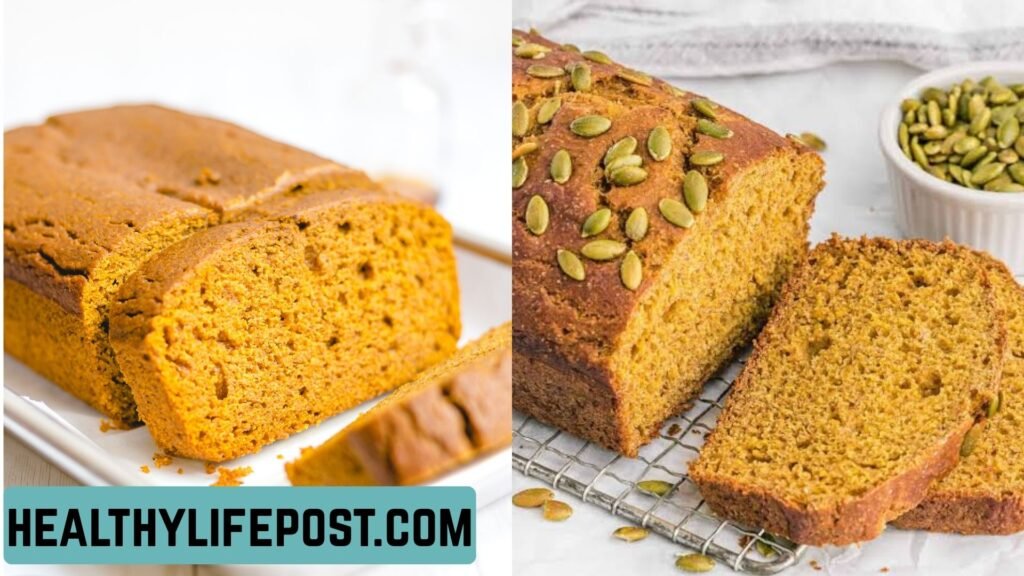
Whole grains can replace some refined flour. Pumpkin can provide moisture. Yogurt can support protein. Maple syrup can replace some refined sugar. These choices create a loaf that still feels like comfort food.
That is why the recipe works beyond autumn.
The pumpkin flavor feels seasonal. The ingredient strategy works year-round.
Frequently Asked Questions
Is healthy pumpkin bread actually healthy?
It can be, depending on the recipe. Pumpkin itself provides nutrients and relatively few calories. But the final loaf also depends on flour, sweeteners, fats, and toppings. A recipe using whole grains and moderate sweeteners can offer a better nutritional profile than a heavily sweetened loaf.
Can I use fresh pumpkin?
Yes, but canned pumpkin is often easier. Fresh pumpkin can contain different amounts of water. That can change the batter’s consistency. Canned plain pumpkin provides more predictable results. If using fresh pumpkin, make sure it has a thick puree texture.
Can I make pumpkin bread without refined sugar?
Yes. Several recipes use maple syrup or honey instead of traditional refined sugar. However, these sweeteners still contribute sugar. “Natural” does not mean calorie-free or unlimited.
Why is my pumpkin bread too dense?
Excess moisture and overmixing are common causes. Too much pumpkin can also affect the structure. Regular whole-wheat flour may create a heavier crumb than whole-wheat pastry flour. Measure ingredients carefully and mix the batter only until combined.
Can healthy pumpkin bread be frozen?
Yes. Freezing individual slices makes storage convenient. Cool the bread completely first. Wrap slices well and place them in a freezer-safe container. Thaw individual pieces when needed. Avoid freezing delicate toppings unless the recipe specifically supports them.
Final Takeaway
Healthy pumpkin bread works because pumpkin does several jobs at once.
It adds moisture, color, flavor, and useful nutrients.
The smartest version is not necessarily the lowest-calorie loaf. It is the one with a better ingredient balance. Whole grains, moderate sweetness, and thoughtful toppings can make pumpkin bread more suitable for everyday eating.
For a reliable starting point, tested recipes from Ambitious Kitchen and Well Plated provide useful ingredient ratios and substitution ideas.
Read more :Gastroparesis Diet: What to Eat, What to Avoid, and Why It Helps