
Lunch becomes complicated when bowel symptoms interrupt the working day. You need food, yet another bathroom trip feels exhausting. The office salad bar may suddenly seem less appealing.
Choosing healthy foods to eat during an ulcerative colitis flare-up at work starts with personal tolerance. Soft starches, lean proteins and peeled, cooked produce are possible options. There is no universal menu. Familiar foods usually make better starting points than lunchtime experiments. health.clevelandclinic.org
Ulcerative colitis inflames the colon and rectum. Food adjustments may help manage symptoms and maintain nutrition. They do not replace treatment for that inflammation. Contact your inflammatory bowel disease (IBD) team about a suspected flare. Follow your prescribed treatment plan. NHS
Ulcerative Colitis Flare Foods You Can Pack
A useful lunch includes energy, protein and foods you tolerate. It does not need to look like a wellness advertisement.
The following are starting ideas, rather than guaranteed safe foods. Choose portions according to your appetite and existing dietary advice. health.clevelandclinic.org
| Food option | Practical workday version | What to consider |
|---|---|---|
| White rice | Small rice bowl with chicken | Add protein; keep sauces familiar |
| Skinless potato | Peeled boiled potato or mash | Adjust milk or butter to tolerance |
| Eggs | Fully cooked egg sandwich | Keep chilled until eating |
| Chicken or fish | Plain cooked portion with rice | Choose simple preparation |
| Banana or applesauce | Portable fruit or sealed fruit pot | Start with an amount you tolerate |
| Cooked carrots or peeled courgette | Soft vegetables beside your main meal | Avoid a large unfamiliar portion |
| Lactose-free yoghurt | Plain chilled yoghurt pot | Useful if lactose causes symptoms |
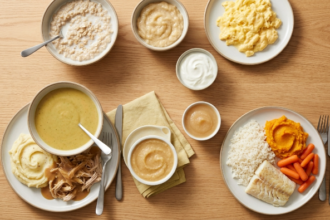
Refined starches can provide energy when rougher foods feel difficult. Eggs, chicken and fish provide protein. Fruit and vegetables can remain part of your diet. Their texture or portion size may need adjustment. health.clevelandclinic.org
Why “Healthy” May Look Different During a Flare
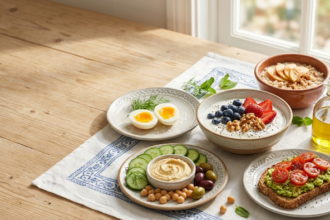
A large raw salad is not everyone’s best flare lunch. Some people find that high-fibre foods worsen diarrhoea. Peeled, well-cooked vegetables or smaller portions may be easier to tolerate. This does not mean all fibre must disappear. crohnsandcolitis.org.uk
Symptom triggers also differ from the underlying inflammatory disease. A food that causes bloating does not automatically cause inflammation. The Crohn’s & Colitis Foundation makes that distinction in its dietary guidance. Crohn’s & Colitis Foundation
Avoid turning temporary adjustments into permanent food bans. Crohn’s & Colitis UK says evidence for low-residue diets is limited. Restriction can also make adequate nutrition harder. Discuss significant changes with an IBD dietitian, particularly if you are losing weight. crohnsandcolitis.org.uk
Three Lunch Ideas for Different Workplace Setups
These meal combinations apply the food options above. They are practical examples, rather than tested therapeutic menus.
If you have a microwave
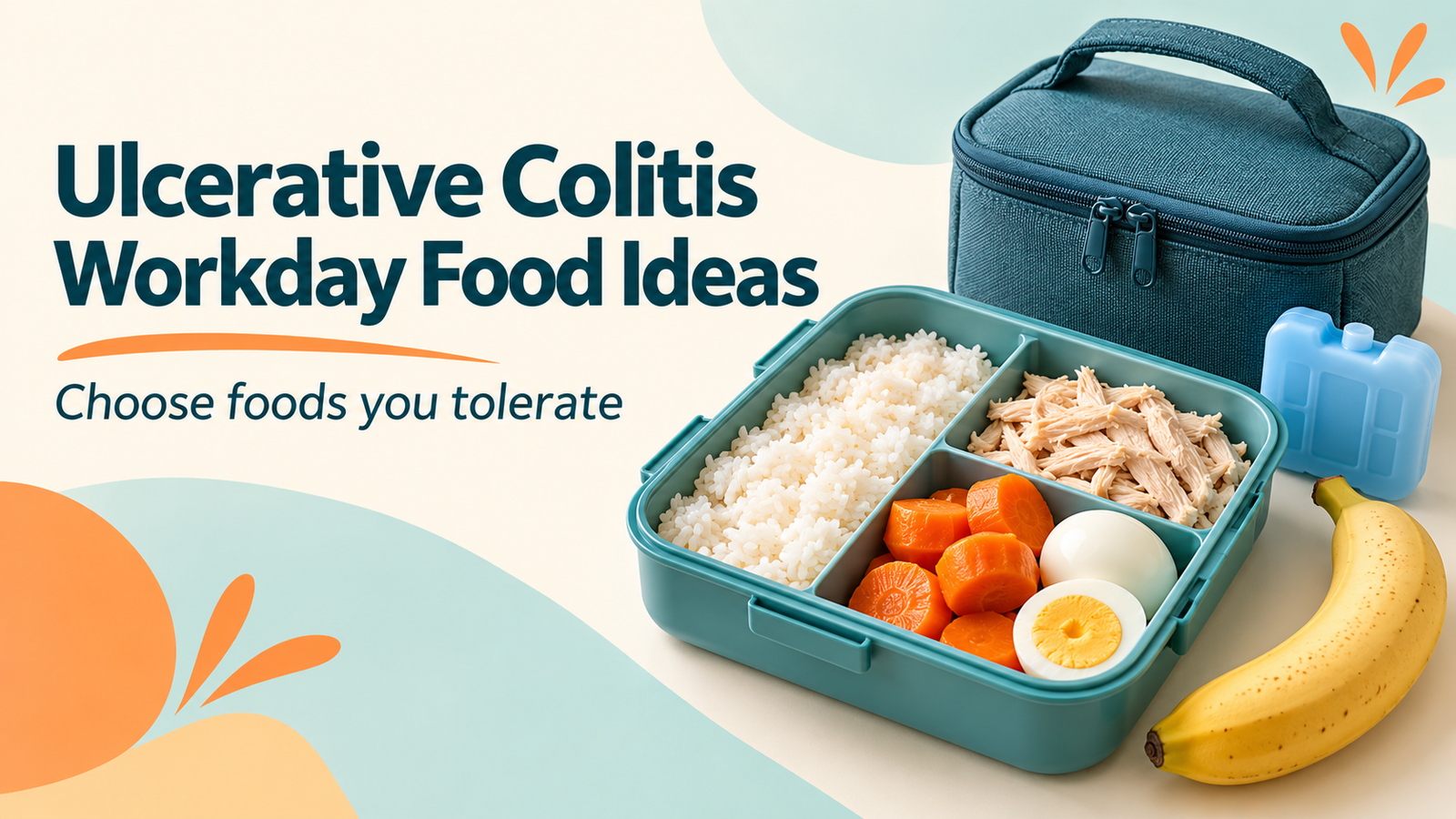
Pack white rice, shredded chicken and soft cooked carrots. Keep each component separate if that makes portions easier to adjust. Add familiar seasoning rather than trying a new sauce.
Bring a smaller second container if one large lunch feels daunting. That gives you flexibility around breaks and appetite.
If you have a fridge but no microwave
Try a fully cooked egg sandwich on white bread. Add a banana or applesauce if tolerated. A plain lactose-free yoghurt can provide another snack option.
Cold food does not have to mean raw salad. Choose a meal you have previously managed comfortably at home.
If you have neither
An insulated lunch bag with cold packs makes more options possible. Otherwise, choose suitable foods labelled for room-temperature storage. Examples include unopened applesauce pots and plain crackers.
An unopened shelf-stable fish pouch may add protein, if tolerated. Follow its storage label, and eat promptly after opening. Crackers alone make a limited lunch. Plan something more substantial when possible.
Snacks and Drinks Between Meetings
When appetite is low, smaller meals or snacks may help. Keep familiar options available rather than waiting until you feel ravenous. The Foundation recommends advance planning and easy meals for tiring days. Crohn’s & Colitis Foundation
A banana, applesauce or chilled yoghurt might suit a short break. Plain crackers can accompany another tolerated food. Smooth nut butter is another possibility for some people. It may not suit everyone. health.clevelandclinic.org
Drink small amounts regularly, especially when diarrhoea increases fluid losses. Dark urine, reduced urination and dizziness can signal dehydration.
Ask a pharmacist or your care team about oral rehydration solution if needed. Follow mixing instructions exactly. People with a high-output stoma need individual hydration advice. crohnsandcolitis.org.uk
Check Personal Triggers Before Banning Food Groups
Coffee, greasy meals, spicy sauces and sugar alcohols can worsen symptoms for some people. Sorbitol and xylitol sometimes appear in sugar-free sweets or gum. Check ingredients if these products seem connected with diarrhoea. Crohn’s & Colitis Foundation
Dairy needs a separate decision. Ulcerative colitis does not automatically mean lactose intolerance. If milk seems troublesome, discuss it with your team. Lactose-free options may help when lactose is the problem. crohnsandcolitis.org.uk
Keep a brief record of meals, portions and symptoms. Include medication changes and unusual days. A pattern across several occasions is more useful than blaming one sandwich.
A diary supports a discussion. It cannot establish whether inflammation is active. NIDDK recommends discussing apparent food triggers with your doctor. NIDDK
Make Food Storage Part of Your Lunch Plan
Perishable food needs reliable temperature control. Cooked chicken, eggs and yoghurt should not sit unchilled throughout a shift.
USDA advises packing at least two cold sources in insulated lunch bags. Refrigerate your lunch when you arrive, if possible. Discard perishable food left at room temperature beyond two hours. That limit falls to one hour above 32°C. Reheat leftovers thoroughly, following food-safety instructions. Food Safety and Inspection Service
Make the routine easy to repeat. Put the lunch bag beside your work bag. Set a reminder if meetings regularly swallow your lunch break.
Ask about flexible breaks and bathroom access when symptoms affect your day. A manageable work routine should leave room for eating and drinking.
When Food Changes Are Not Enough
Do not keep shrinking your diet while symptoms worsen. Contact your IBD team about increasing bleeding, diarrhoea or difficulty eating. Weight loss and an increasingly restricted diet also deserve assessment. health.clevelandclinic.org
Seek urgent medical advice for very bad or bloody diarrhoea, fever or a fast heartbeat.
Severe abdominal pain, continuous rectal bleeding or large amounts of blood require emergency help. In the UK, use NHS 111 for urgent advice. Use 999 or A&E for emergencies. Elsewhere, use local services. NHS
Quick Answers Before Your Next Shift
Can I eat oats during a flare?
Some people tolerate soft cooked oats. Others need different options. Try a familiar portion and follow individual advice. Oats are not compulsory. health.clevelandclinic.org
Should I skip lunch to avoid bathroom trips?
Regularly missing meals can make adequate nutrition harder. Consider smaller portions. Speak with your team if eating becomes difficult. health.clevelandclinic.org
How long should I keep eating lower-fibre foods?
There is no fixed timetable for everyone. As symptoms settle, discuss gradually restoring variety and fibre. Long-term restriction needs professional guidance. crohnsandcolitis.org.uk
Your next lunch can be simple: a tolerated starch, protein, and suitable produce. Keep fluids nearby and storage safe. Let your treatment team guide flare management while food supports your working day.
This article draws on published medical and patient guidance. It is intended for educational and informational purposes and does not replace personalised advice from your doctor or IBD dietitian.
Read more:How to Eat a High Protein Bodybuilding Diet With a Sensitive Stomach