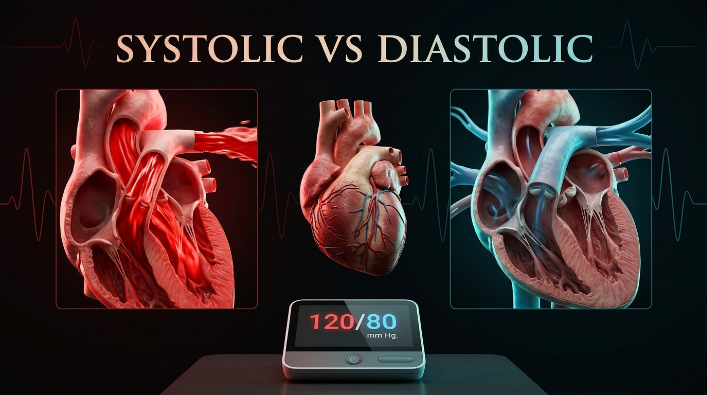

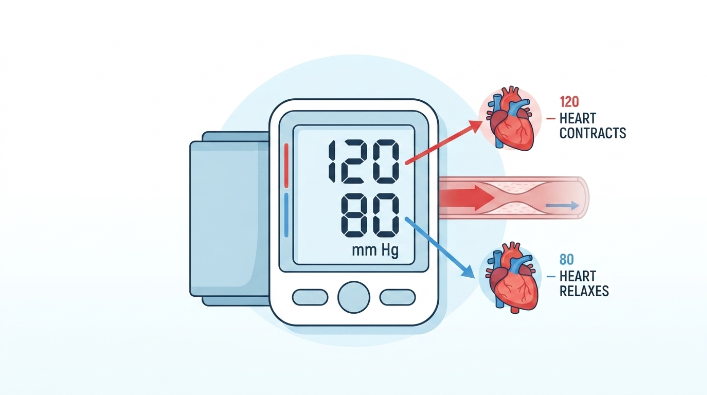
Systolic vs diastolic refers to the two numbers shown in a blood pressure reading. Systolic pressure is the top number and measures arterial pressure when the heart contracts. Diastolic pressure is the bottom number and measures pressure while the heart relaxes between beats.
For example, in 120/80 mm Hg, 120 is systolic and 80 is diastolic. Both numbers matter because a consistent elevation in either one may meet the current U.S. definition of high blood pressure.
Published: August 16, 2026
Medical reviewer: [Add a real physician’s name and credentials only after genuine review]
Systolic vs Diastolic: Quick Comparison
| Feature | Systolic blood pressure | Diastolic blood pressure |
|---|---|---|
| Position | Top number | Bottom number |
| What it measures | Pressure when the heart contracts | Pressure while the heart relaxes |
| Example in 120/80 | 120 mm Hg | 80 mm Hg |
| Hypertension begins at | 130 mm Hg | 80 mm Hg |
| Often more prominent in | Adults over age 50 | Younger adults with isolated diastolic elevation |
| High on its own | Isolated systolic hypertension | Isolated diastolic hypertension |
Quick answer: Systolic pressure measures the force against artery walls during a heartbeat. Diastolic pressure measures the remaining pressure between heartbeats.
What Is Blood Pressure?
Blood pressure measures how strongly circulating blood pushes against the walls of the arteries. Arteries carry blood away from the heart to the body’s tissues.
Healthcare professionals record blood pressure as two numbers separated by a slash. They measure both numbers in millimeters of mercury, abbreviated as mm Hg.
Blood pressure naturally changes throughout the day. Exercise, stress, pain, sleep, caffeine, nicotine, hydration, medications, and body position can temporarily affect it.
Therefore, one routine reading provides only a snapshot. Clinicians generally evaluate a pattern of properly measured readings instead of diagnosing hypertension from one isolated result.
What Is Systolic Blood Pressure?
Systolic blood pressure is the upper number. It reflects pressure in the arteries when the heart contracts and pumps blood forward.
In a reading of 118/76 mm Hg, the systolic value is 118.
Several factors can influence systolic pressure:
- The force of each heart contraction
- The amount of blood pumped per beat
- The stiffness of large arteries
- Physical activity
- Emotional stress or pain
- Age-related blood-vessel changes
- Certain medications and health conditions
Systolic pressure often becomes a particularly useful marker of cardiovascular risk after age 50. Large arteries commonly become less flexible with age, which can increase the top number.
However, systolic pressure matters at every adult age. A high top number should not be dismissed because the bottom number remains normal.
What Is Diastolic Blood Pressure?
Diastolic blood pressure is the lower number. It measures pressure inside the arteries while the heart relaxes and refills between beats.
In 118/76 mm Hg, the diastolic value is 76.
Diastolic pressure is influenced partly by resistance in the smaller arteries. Heart rate, blood-vessel tone, medications, and several medical conditions can also affect it.
A diastolic reading of 80 mm Hg or higher may place an adult in a hypertension category, even when the systolic reading remains below 130.
The phrase “pressure while the heart rests” does not mean the heart stops working. The heart muscle relaxes, fills with blood, and prepares for its next contraction.
Current U.S. Blood Pressure Categories
The 2025 American Heart Association and American College of Cardiology guideline retained the established adult blood pressure categories.
| Category | Systolic pressure | Diastolic pressure |
|---|---|---|
| Normal | Less than 120 | And less than 80 |
| Elevated | 120–129 | And less than 80 |
| Stage 1 hypertension | 130–139 | Or 80–89 |
| Stage 2 hypertension | 140 or higher | Or 90 or higher |
| Severe hypertension | Higher than 180 | And/or higher than 120 |
If the two numbers fall into different categories, the higher category generally determines the classification.
For example:
- 116/74: Normal
- 128/76: Elevated
- 118/84: Stage 1 hypertension
- 136/78: Stage 1 hypertension
- 146/78: Stage 2 hypertension
- 135/92: Stage 2 hypertension
These categories apply to adults outside pregnancy. Children, teenagers, and pregnant individuals require additional clinical considerations.
The 2025 AHA/ACC guideline defines hypertension as consistent systolic pressure of at least 130 mm Hg or diastolic pressure of at least 80 mm Hg.
Which Blood Pressure Number Is More Important?
Both systolic and diastolic pressure matter.
Systolic pressure often provides especially useful cardiovascular risk information in middle-aged and older adults. This is partly because large arteries can stiffen with age.
However, clinicians do not ignore the diastolic value. A high bottom number can also identify hypertension and increased cardiovascular risk, particularly in younger adults.
Remember these points:
- A normal diastolic number does not cancel a high systolic number.
- A normal systolic number does not cancel a high diastolic number.
- Either number may place a reading in a hypertension category.
- Repeated measurements matter more than one routine reading.
A clinician will also consider age, symptoms, pregnancy, kidney function, diabetes, medications, and overall cardiovascular risk.
What Is Isolated Systolic Hypertension?
Isolated systolic hypertension occurs when the systolic number is high while the diastolic number remains below the hypertension threshold.
A reading of 148/76 mm Hg is one example. It falls in the stage 2 hypertension category because the systolic value is at least 140.
This pattern becomes more common with age. Large arteries may lose flexibility over time, making them less able to absorb the pressure created by each heartbeat.
Possible contributing factors include:
- Age-related artery stiffness
- Atherosclerotic changes
- Kidney disease
- Diabetes
- Thyroid conditions
- Obesity
- Certain heart-valve problems
These factors do not explain every case. A healthcare professional may use repeated office measurements, home readings, or ambulatory monitoring to confirm the pattern.
Isolated systolic hypertension is not simply a harmless part of aging. Persistent elevation can place additional strain on the heart, arteries, brain, and kidneys.
What Is Isolated Diastolic Hypertension?
Isolated diastolic hypertension occurs when the bottom number is high while the top number remains below its hypertension threshold.
For example, 124/86 mm Hg falls in the stage 1 hypertension category because the diastolic value is between 80 and 89.
This pattern may appear more often in younger adults. Increased resistance in smaller arteries may contribute to it.
Still, one high bottom number does not establish a diagnosis. Caffeine, nicotine, anxiety, exercise, pain, an incorrect cuff size, or poor positioning can temporarily raise a reading.
A healthcare professional can determine whether the pattern reflects persistent hypertension or a temporary measurement change.
What Is Pulse Pressure?
Pulse pressure is the numerical difference between systolic and diastolic blood pressure. It offers additional information about the pressure change produced by each heartbeat.
Use this formula:
Pulse pressure = systolic pressure − diastolic pressure
Examples include:
- 120/80 mm Hg: Pulse pressure is 40 mm Hg.
- 140/90 mm Hg: Pulse pressure is 50 mm Hg.
- 150/70 mm Hg: Pulse pressure is 80 mm Hg.
What Is a Normal Pulse Pressure?
A pulse pressure near 40 mm Hg is common in healthy adults at rest. However, there is no single universal “normal” range that applies to every person.
Age, exercise, medications, artery stiffness, heart function, and measurement accuracy can all influence the result. For that reason, pulse pressure should not be interpreted without the original blood pressure numbers and the person’s medical context.
What Is Widened Pulse Pressure?
A widened pulse pressure means there is a larger-than-expected difference between the top and bottom numbers. For example, 160/70 produces a pulse pressure of 90 mm Hg.
A persistently wide gap can occur with:
- Age-related artery stiffness
- Isolated systolic hypertension
- Certain heart-valve conditions
- High-output circulatory states
- Some thyroid conditions
A wide pulse pressure does not identify a specific disease by itself. Temporary widening can also happen during exercise.
What Is Narrow Pulse Pressure?
A narrow pulse pressure means the difference between the two readings is relatively small. For example, 90/70 produces a pulse pressure of 20 mm Hg.
A persistently narrow gap may occur when the heart pumps less blood with each contraction. Possible settings include:
- Significant blood loss
- Severe dehydration
- Certain forms of heart failure
- Circulatory shock
- Some heart-valve conditions
Pulse pressure alone cannot diagnose these problems. Symptoms and the complete clinical picture matter.
Seek urgent medical care for fainting, confusion, chest pain, breathing difficulty, cold or clammy skin, or other signs of poor circulation.
Why Blood Pressure Measurement Can Be Wrong
Small measurement mistakes can change both systolic and diastolic results. An inaccurate reading may make normal pressure appear high or conceal a genuine problem.
Common causes of inaccurate readings include:
- A cuff that does not fit
- Placing the cuff over clothing
- Talking during measurement
- Crossing the legs
- Letting the arm hang unsupported
- Measuring immediately after exercise
- Having a full bladder
- Taking the reading after caffeine or nicotine
- Failing to rest before measurement
- Using an unvalidated wrist or finger monitor
A cuff that is too small may produce an inaccurately high result. A cuff that is too large may produce an inaccurately low one.
For most adults, a validated automatic upper-arm monitor provides a more dependable home option. A healthcare professional or pharmacist can help identify the correct cuff size.
How to Measure Blood Pressure Correctly at Home
The CDC and American Heart Association recommend careful preparation and positioning.
Before Measuring
Avoid exercise, caffeine, smoking, and nicotine for at least 30 minutes before taking a reading. Empty your bladder and sit quietly for at least five minutes.
Try to measure at similar times when tracking a pattern. Follow any schedule given by your healthcare team.
Correct Body Position
Use the following method:
- Sit in a supportive chair.
- Keep your back supported.
- Place both feet flat on the floor.
- Keep your legs uncrossed.
- Put the cuff directly on bare skin.
- Support your arm at heart level.
- Keep your hand and arm relaxed.
- Remain quiet during measurement.
- Take two readings one minute apart.
- Record both numbers and the time.
Do not round readings or record only the lower result. Keeping an honest log allows a clinician to assess the pattern more accurately.
The CDC’s measurement guidance recommends five minutes of rest, supported feet and back, and proper arm placement.
Why Blood Pressure Changes Between Readings
Blood pressure responds to normal physical and emotional changes. Two readings taken under different conditions may not match.
Temporary increases can follow:
- Exercise
- Anxiety
- Pain
- Poor sleep
- Caffeine
- Nicotine
- A full bladder
- Cold temperatures
- Some decongestants
- Talking during measurement
Some people record higher pressure in a medical office than at home. Clinicians call this pattern white-coat hypertension.
Other people have acceptable office readings but higher pressure at home. This pattern is known as masked hypertension.
Home monitoring can help identify these differences. A clinician may also recommend ambulatory blood pressure monitoring, which records measurements over a longer period.
The 2025 U.S. guideline supports home monitoring to help confirm an office diagnosis and follow treatment progress.
What Causes High Systolic or Diastolic Pressure?
Most hypertension does not result from one identifiable cause. It typically develops through a combination of genetics, aging, health conditions, lifestyle, and environmental factors.
Factors associated with high blood pressure include:
- Family history
- Increasing age
- High-sodium dietary patterns
- Low physical activity
- Tobacco use
- Excessive alcohol intake
- Overweight or obesity
- Kidney disease
- Diabetes
- Sleep apnea
- Hormonal conditions
- Certain medications
These factors do not guarantee that someone will develop hypertension. People without obvious risk factors can also have high blood pressure.
Some decongestants, stimulants, anti-inflammatory medicines, hormonal treatments, and supplements may increase pressure. Do not stop prescribed medication without speaking with a healthcare professional.
Why High Blood Pressure Matters
High blood pressure usually causes no clear warning symptoms. Measuring it is the only reliable way to know whether it remains elevated.
Over time, uncontrolled pressure can damage blood vessels and increase strain on several organs. It raises the risk of:
- Heart attack
- Stroke
- Heart failure
- Chronic kidney disease
- Vision problems
- Peripheral artery disease
- Cognitive decline and vascular dementia
According to the CDC, nearly half of U.S. adults meet its definition of hypertension or take medication for high blood pressure. Individual risk, however, depends on more than one reading.
Diabetes, high cholesterol, kidney disease, smoking, and previous cardiovascular disease can further increase overall risk.
What Do Low Systolic and Diastolic Numbers Mean?
Low blood pressure is commonly described as a reading below 90/60 mm Hg. However, a low reading is not always harmful.
Some healthy adults naturally have low pressure without symptoms. Concern increases when pressure drops suddenly or reduces blood flow to important organs.
Possible symptoms include:
- Dizziness
- Lightheadedness
- Blurred vision
- Weakness
- Fatigue
- Confusion
- Nausea
- Fainting
Potential causes include dehydration, blood loss, infection, pregnancy-related changes, heart conditions, endocrine disorders, and medication effects.
Do not change a prescribed medication because of one low reading. Contact the prescribing professional for guidance.
Fainting, severe confusion, cold or clammy skin, breathing difficulty, or signs of shock require urgent medical attention.
When Is High Blood Pressure an Emergency?
If systolic pressure is higher than 180 and/or diastolic pressure is higher than 120, wait at least one minute and measure again.
Call 911 immediately if the repeated severe reading occurs with:
- Chest pain
- Shortness of breath
- Back pain
- Numbness
- Weakness
- Vision changes
- Difficulty speaking
- Any other new and concerning symptom
Do not wait for the pressure to come down on its own when emergency symptoms are present.
If the repeated result remains above 180 and/or 120 but there are no concerning symptoms, contact a healthcare professional promptly. Do not take an extra medication dose unless a clinician has instructed you to do so.
This guidance follows the American Heart Association’s emergency recommendations.
Practical Ways to Support Healthy Blood Pressure
Lifestyle measures can help prevent or manage high blood pressure. Some people also need medication based on their pressure level and overall cardiovascular risk.
Follow a Balanced Eating Pattern
Build meals around:
- Vegetables
- Fruits
- Whole grains
- Beans and lentils
- Nuts and seeds
- Fish
- Lean protein sources
- Low-fat dairy when appropriate
- Unsaturated fats
The DASH eating pattern emphasizes these foods while limiting excess sodium, saturated fat, and added sugar.
Reduce Excess Sodium
Much of the sodium in the American diet comes from restaurant meals, packaged snacks, deli meats, sauces, canned foods, and other prepared products.
Compare Nutrition Facts labels because similar products can contain different sodium levels.
People with kidney disease, heart failure, pregnancy, or medication-related dietary restrictions should seek individualized advice.
Remain Physically Active
Regular physical activity supports the heart and blood vessels. It may also help with weight management and stress.
The appropriate activity level depends on fitness, mobility, symptoms, and medical history. Seek medical advice before strenuous exercise if you have chest pain, significant breathing difficulty, cardiovascular disease, or severely uncontrolled pressure.
Avoid Tobacco
Smoking damages blood vessels and increases cardiovascular risk. Avoiding tobacco remains important even when blood pressure appears normal.
Limit Alcohol
Alcohol can raise blood pressure and interact with medications. People who do not currently drink do not need to begin for health reasons.
Take Medication as Prescribed
Blood pressure medicines may relax blood vessels, remove excess sodium and fluid, or reduce the heart’s workload.
Never stop a medication suddenly or adjust the dose without professional guidance. A normal reading may mean the treatment is working.
How Clinicians Interpret Your Numbers
Healthcare professionals consider more than a blood pressure category. Evaluation may include:
- An average of several readings
- Home or ambulatory measurements
- Age
- Symptoms
- Pregnancy status
- Diabetes
- Kidney disease
- Medication use
- Previous heart attack or stroke
- Overall cardiovascular risk
Current U.S. guidance defines stage 1 hypertension as 130–139 systolic or 80–89 diastolic. However, treatment decisions depend on individual risk and medical history.
Some people may begin with lifestyle measures and monitoring. Others may require medication sooner because of their pressure level or existing health conditions.
Frequently Asked Questions
Is systolic or diastolic pressure more important?
Both numbers matter. Systolic pressure often predicts cardiovascular risk particularly well after age 50, but high diastolic pressure also requires attention.
Is 120/80 a normal blood pressure?
Current U.S. categories define normal blood pressure as systolic below 120 and diastolic below 80. Therefore, exactly 120/80 does not meet the strict normal category.
Is 130/80 considered high?
Yes. Consistent systolic pressure of 130 or higher, or diastolic pressure of 80 or higher, meets the current U.S. hypertension definition.
What causes a high top number and normal bottom number?
This pattern is called isolated systolic hypertension. Age-related artery stiffness is a common contributor, but other medical factors may also be involved.
Can anxiety temporarily raise blood pressure?
Yes. Anxiety may temporarily increase one or both numbers. Repeated home readings taken under calm, standardized conditions can provide more useful information.
When should I call 911?
Call 911 when pressure is higher than 180/120 mm Hg and you have concerning symptoms such as chest pain, breathing difficulty, weakness, numbness, vision changes, or trouble speaking.
Conclusion
The difference between systolic vs diastolic blood pressure is straightforward. Systolic pressure measures the force against artery walls when the heart contracts. Diastolic pressure measures the remaining pressure while the heart relaxes between beats.
Both numbers matter. A consistent elevation in either number may indicate hypertension. Accurate home measurements and repeated readings provide more useful information than one isolated result.
Discuss persistent high or unusually low readings with a healthcare professional. If pressure exceeds 180/120 mm Hg and concerning symptoms are present, call 911 immediately.
Read more :Fenugreek Leaves Side Effects, Safety, and Drug Interactions